TMJ Treatment
Work toward a jaw that opens and moves freely again
Last updated: November 23, 2026 Reviewed by Gary Tao, DC
If your jaw aches, clicks or feels stiff, you want to chew, talk and yawn again without having to think about it. Our aim is to ease the pain and stiffness of temporomandibular disorders (TMD), the group of conditions that affect the jaw joint and the muscles that move it, so your jaw opens and moves freely again. The TMJ (temporomandibular joint) is the hinge just in front of each ear: rest a fingertip there, open your mouth, and you can feel it move. We look at your jaw, neck, and posture as one picture, then treat what we find with hands-on techniques. We treat TMJ pain without surgery, and like every treatment visit here, your care centers on the chiropractic adjustment. Your first visit at our Pasadena office includes a history and an examination of the jaw and neck, and most new patients also have full-spine X-rays.
Who You'll See
-

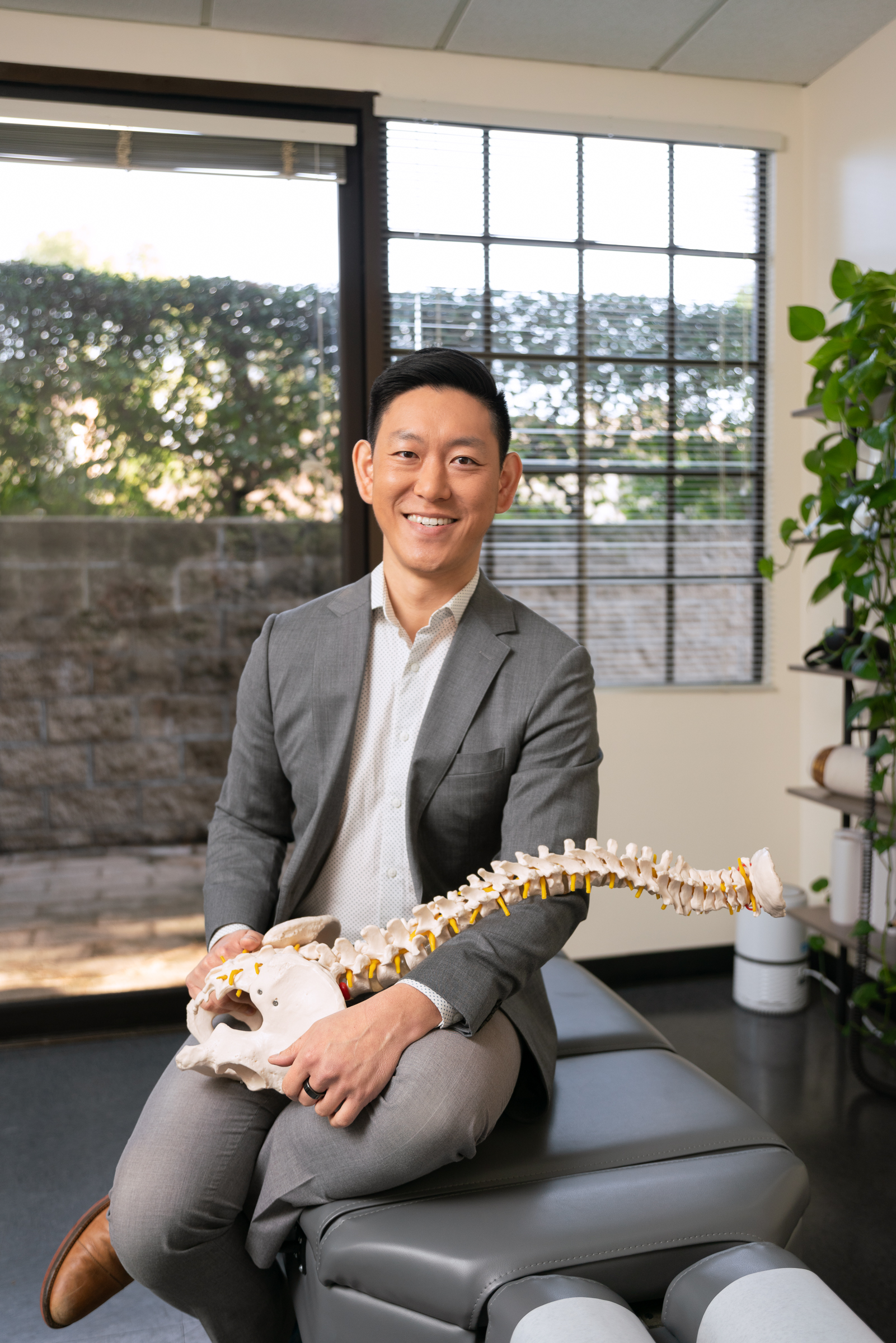
Gary Tao, DC
Chiropractor who makes the adjustment the focus of every visit, with full-spine X-rays taken right in the office
- Chiropractic degree
- Doctor of Chiropractic, Life Chiropractic College West
- Undergraduate
- B.A., Economics, University of California, Los Angeles
Overview
TMD, short for temporomandibular disorders, covers more than 30 different conditions of the jaw joint and the muscles that move it. About 5% of adults in the U.S. have one, and women have them about twice as often as men. Of all the ways TMD shows up, pain in the chewing muscles or in the jaw joint itself is the most common, and alongside it you may have stiffness, a jaw that locks or clicks, headaches, or pain that spreads into your face or neck.
Your jaw and neck work closely together, and your head posture and neck tightness can show up as jaw pain, which is why TMJ care so often includes the upper neck. Mobilizing the upper neck or adjusting it (manipulation) can ease the signs and symptoms of TMD, and that work goes alongside the jaw treatment, together with neck exercises. Women with TMD who had five weeks of upper-neck mobilization and neck exercises had less jaw and face pain, and less disruption from headaches in daily life, than women who had no treatment.
What to Expect During Treatment
- We start your first visit with a consultation about the jaw problem: where it hurts, when it started, whether the jaw clicks, locks, or tires with chewing, any clenching or grinding, headaches, neck pain, or recent injury, and your lifestyle habits. Your answers help us understand how your jaw and neck are connected in your case.
- We check how wide and how smoothly your mouth opens, feel and listen for joint sounds, and press on the chewing muscles and the neck to find tender areas, as part of a spinal exam with orthopedic and neurological testing.
- Imaging is not routine for TMD and is considered when the diagnosis is in doubt, when symptoms suggest another cause, or when care is not helping. That advice is about scans to diagnose the jaw itself. Our full-spine X-rays have a different job: taken in our office at the first visit for most new patients, they show us which joints in the spine and neck are stuck or worn. Pregnant patients and small children go without them.
- Dr. Tao goes over your exam and X-rays with you and explains what he found. Then he tells you what he suggests for easing the pain and getting your jaw working well again: which techniques, how often to come in, and when we will check your progress.
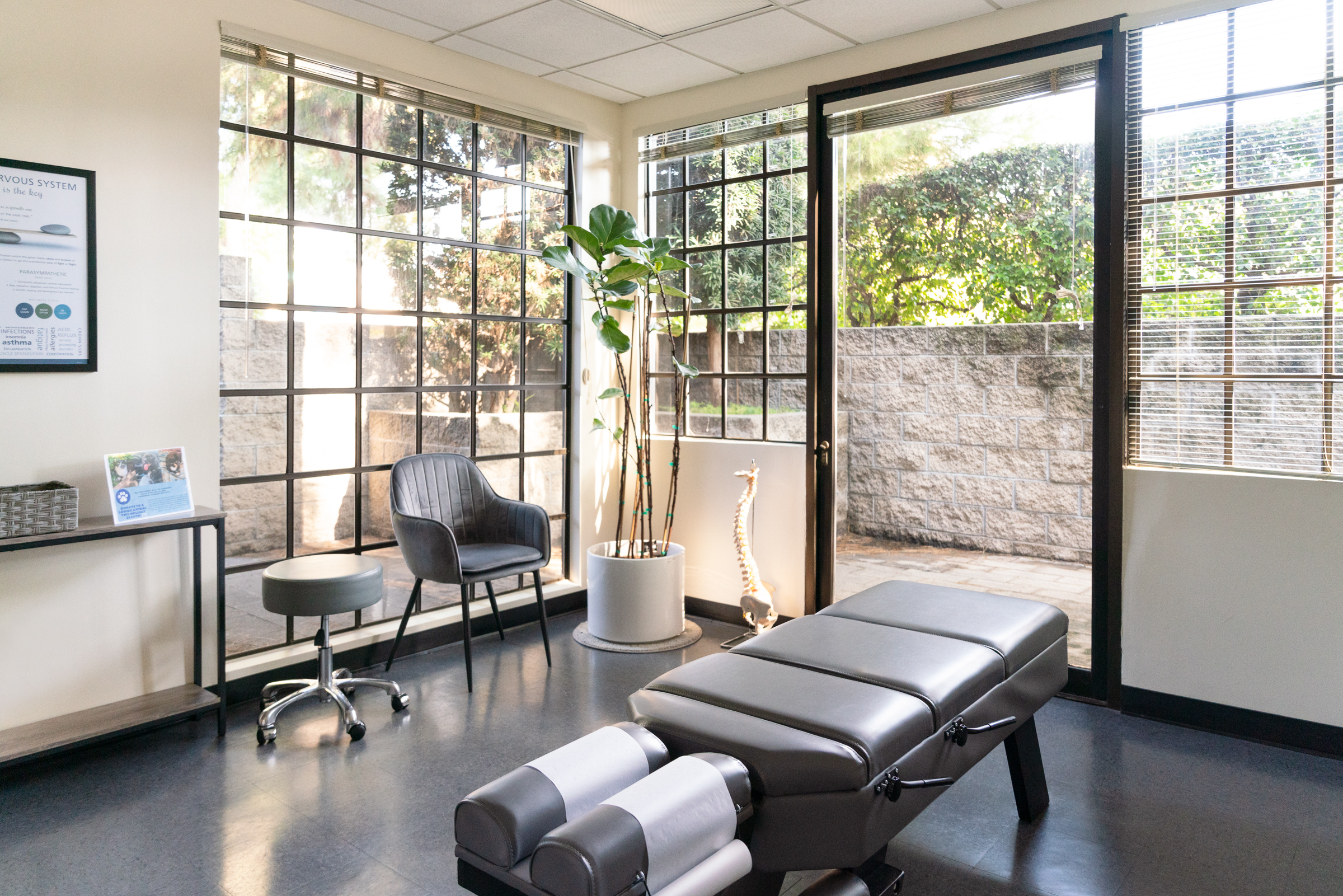
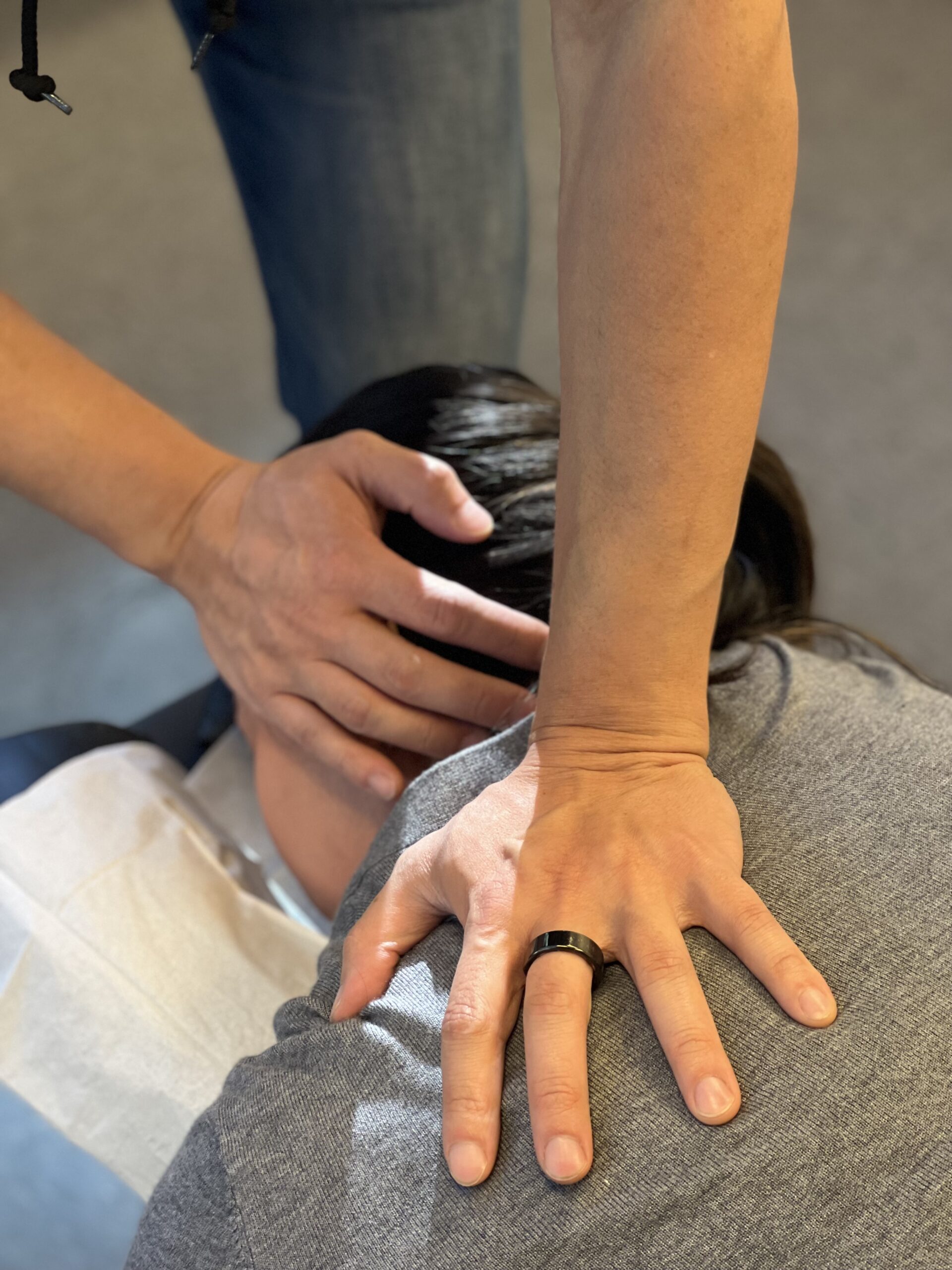
- For treatment of the jaw joint, you sit or lie on a padded treatment table while we mobilize or adjust the joint by hand or with a small handheld instrument.
- In the same visit we may also treat your upper neck, with upper cervical adjustments or mobilization.
- Each later visit starts with a quick check of your jaw opening and your pain, so we can see whether the plan is working.
Risks
When to avoid
- A recent jaw injury with a possible fracture or dislocation, until it has been imaged and evaluated
- Signs of infection, such as fever and chills with severe jaw pain and difficulty opening the mouth
- A lump, mass, or unexplained swelling of the jaw or face, until it has been evaluated
- New numbness or weakness in the face, or facial pain that does not change with jaw movement, until another cause has been ruled out
- Symptoms that may signal a tear in a neck artery (cervical artery dissection), such as new neck pain or a one-sided headache with vision changes, a drooping eyelid, pulsing ringing in the ear, or other neurological symptoms
Possible risks
- Temporary increase in pain, discomfort, or stiffness in the treated area, most often settling within 24 hours
- Headache or tiredness after treatment
- Cervical artery dissection, a tear in an artery wall in the neck that can lead to stroke, which has been associated with neck manipulation (very rare; whether manipulation causes it is debated)
- Other serious spinal or neurological problems (very rare)
Who needs extra care
- Pregnancy, in which the potential risks and benefits of spinal manipulation are discussed with a health care provider before treatment
- Underlying health problems that may raise the risk of injury from manipulation, which call for a thorough assessment of health conditions and medicines before treatment
- Planned manipulation of the neck, before which the American Heart Association advises that people be told of its statistical link with cervical artery dissection
When It's Recommended
- Pain in your jaw joint or in the muscles you chew with
- A stiff jaw, or a mouth that won't open all the way, so chewing, yawning or talking is uncomfortable
- Jaw pain that has hung on for 3 months or longer (chronic TMD pain)
- Jaw pain along with neck or shoulder pain, or with your head held forward (forward head posture)
- Headaches or face pain that come with a jaw problem (TMD)
- A jaw that clicks or pops and also hurts or won't move all the way
How It Works
Mobilization moves your jaw joint slowly through its range of motion, with no thrust. An adjustment is a quick, controlled push on the joint, by hand or with a small handheld instrument. With either one, the aim is less pain and a joint that moves more freely.
- Many patients notice TMJ tension showing up alongside neck and shoulder tightness. That is why the evaluation covers neck posture and the tension in the surrounding muscles as well as the jaw joint itself.
- If you spend hours leaning in toward a screen, your head sits forward, and holding it there strains the muscles of your face and neck. Tight spots in the muscles of your head and neck (trigger points) can also send pain into your jaw and face.
- Adjustments to the upper neck, the top of the spine just under the skull, may help ease the strain that carries into the jaw and makes it ache or move less easily. Your plan is built around what your jaw is doing, what your neck posture shows, and what your symptoms tell us.
- In TMD care, the work usually goes on at home between visits: exercises that stretch and strengthen your jaw muscles, posture exercises, and advice on habits such as clenching and gum chewing.
Recovery & Aftercare
- Some people feel mildly sore, stiff or tired after a visit, or have a brief headache, and these side effects most often settle within 24 hours
- At home, soft foods, heat or cold on the face, and going easy on gum chewing, clenching and nail biting can ease a sore jaw between visits
- For many people, TMD symptoms come and go without lasting long, and jaw pain can come back later
- Contact a health care provider right away if you have trouble eating or opening your mouth
- Call 911 right away if you develop a sudden severe headache, trouble seeing or speaking, or numbness or weakness in the face, arm, or leg, including after neck treatment
Frequently Asked Questions
What is chiropractic care for TMJ?
Does chiropractic treatment for TMJ hurt?
Is TMJ chiropractic treatment safe?
How long does TMJ treatment take?
What happens during a chiropractic visit for TMJ?
Who should not have chiropractic care for TMJ?
Can chiropractic care help TMJ pain?
Do I need surgery for TMJ pain?
Visit Our Pasadena Office
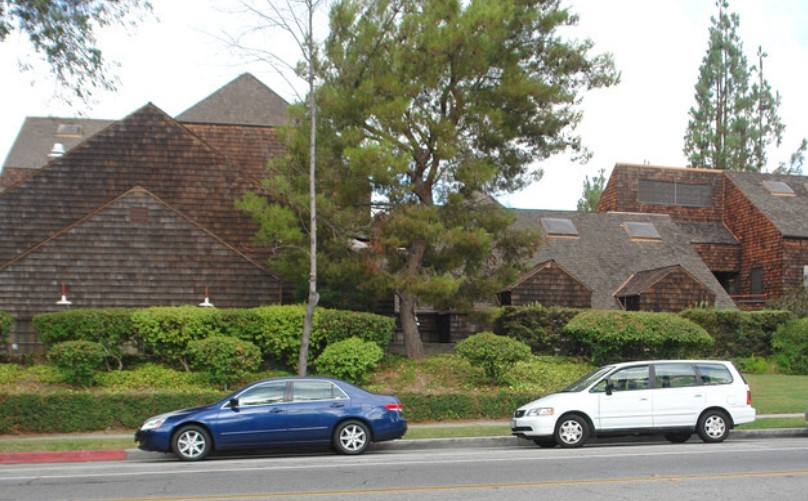
Tao Chiropractic is conveniently located at 200 E Del Mar Blvd, Suite 123, Pasadena, CA 91105.
We serve patients from Pasadena, South Pasadena, San Marino, Altadena, Glendale, Burbank, Arcadia, Alhambra, Eagle Rock, La Cañada Flintridge, Sierra Madre, San Gabriel.