Neck Pain and Pinched Nerve Treatment
Turning to look over your shoulder without neck stiffness or tingling hands
Last updated: November 22, 2026 Reviewed by Gary Tao, DC
For neck pain or tingling from a pinched nerve, our aim is to ease the pain and help your neck move freely again. Checking a blind spot, looking down at your phone, sleeping on your side: a stiff, sore neck makes all of it harder. At Tao Chiropractic in Pasadena, Dr. Tao's care is hands-on: he adjusts the stiff joints of your neck and upper back with the aim of restoring their motion so they can heal. Your first visit includes an exam, and most new patients also have full-spine X-rays in our office; we never X-ray pregnant patients or small children. When a pinched nerve is sending pain, tingling or numbness down your arm, the orthopedic and neurological testing at that visit comes before any adjustment.

Who You'll See
-

Gary Tao, DC
Chiropractor who makes the adjustment the focus of every visit, with full-spine X-rays taken right in the office
- Chiropractic degree
- Doctor of Chiropractic, Life Chiropractic College West
- Undergraduate
- B.A., Economics, University of California, Los Angeles
Overview
Whether it is neck pain or a pinched nerve that brings you in, we work to free up the stuck joints in your neck, and we start by finding out what put them under stress. Usually that is one of two things: poor positioning, meaning posture, such as hours bent over a phone or laptop (text neck), or an injury from a car accident, a sport or a fall. With x-rays, we can see exactly which segments are accumulating stress by seeing which ones have the most arthritis or disc degeneration. Dr. Tao reads more than that from the films: "From the x-rays, I can often determine how long ago the original injury was as well as the mode of injury (whiplash, compression, or just poor habits over time)."
Those most injured segments of the neck (the cervical spine) are where the adjustment goes. The aim is to restore proper motion in those joints so that they can heal, because joints that stay stuck grow weaker over time, and so do the nerves and muscles that go with them, the way a leg weakens after weeks in a cast. The most common way he adjusts the neck is by hand, with a quick, controlled push that moves the joint, and you may hear a pop as it moves. That sound is gas leaving the joint, much like when you crack your knuckles.
With a pinched nerve (cervical radiculopathy), a nerve root is being squeezed or irritated where it leaves your spine, often by a herniated disc or bone spurs. That can send pain, tingling, numbness or weakness from your neck down into your arm and hand. Most people with a pinched nerve in the neck get better without surgery.
What to Expect During Treatment
- We start by asking about your neck pain: when it started, what makes it better or worse, any arm symptoms or headaches, old injuries such as a car accident, a sports injury or a fall, and your health conditions and medications
- We examine your spine, checking how your neck and upper back move and testing the strength, reflexes and sensation in your arms (orthopedic and neurological testing)
- We screen for warning signs that call for medical care instead, such as signs of spinal cord compression, infection, fracture or a problem with the arteries in the neck
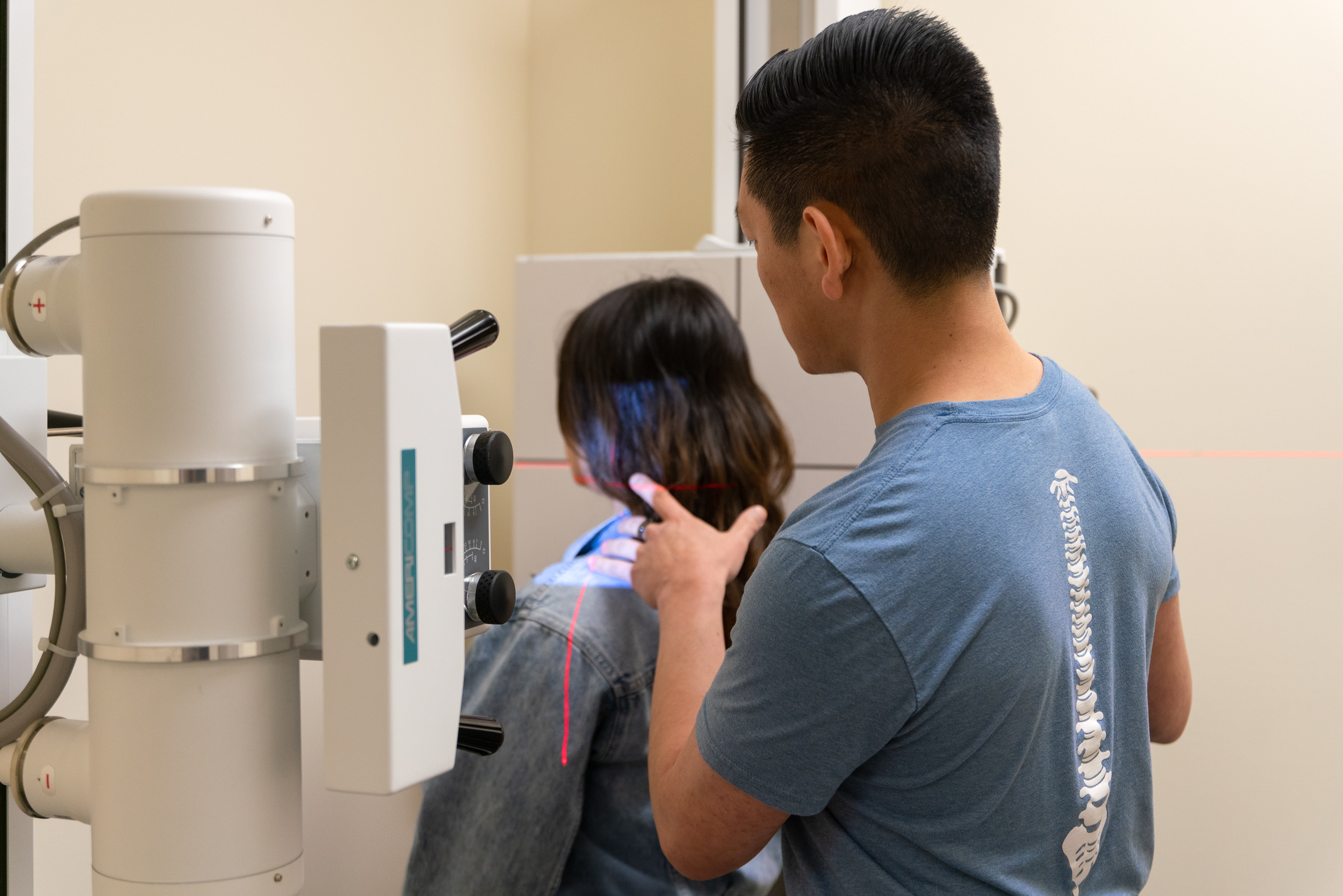
- Most new patients have full-spine X-rays at the first visit, taken in our own office, where we check the neck for joints that have stopped moving or started to wear. We don't X-ray pregnant patients or small children, and you can bring your own X-rays. An MRI or other imaging comes only when the examination or a recent injury calls for it, as imaging guidelines advise
- We sit down with you to review what the exam and X-rays found, then talk through the treatment options: how manipulation differs from mobilization, and the rare link between neck manipulation and cervical artery dissection, a tear in the wall of an artery in the neck. Then we recommend a care plan. For neck pain the usual plan is 24 visits over a couple of months, two to three each week, though some patients prefer to go visit by visit
- Then comes the adjustment, while you lie on a padded table or sit: usually manipulation of the neck or upper back by hand, or a lighter technique if you would rather avoid the thrust
- At follow-up visits we recheck your pain, movement and any arm symptoms, and adjust the plan to how you respond
Risks
When to avoid
- Severe osteoporosis
- Cancer in the spine
- Increased risk of stroke
- A malformation of the bones of the upper neck
- Symptoms suggesting a cervical artery dissection or stroke, such as a sudden severe headache or neck pain unlike any before with dizziness, vision changes, trouble speaking, or weakness or numbness on one side
- Signs of spinal cord compression (myelopathy), such as clumsy hands, leg weakness, or trouble with balance and walking
- Rapidly worsening arm weakness or another nerve problem that keeps getting worse (a progressive neurological deficit)
- Fever or other signs of infection along with neck pain
Possible risks
- Temporary increase in neck pain or stiffness, the most common side effect, reported in about 1 in 4 people
- Headache or pain spreading into the arm after treatment
- Headache, tiredness or soreness in the treated area lasting a few days in some people
- Side effects, which have been reported more often after cervical manipulation, a thrust to the neck, than after mobilization
- Worsening of an existing disc herniation, or a new one (rare)
- Cervical artery dissection, a tear in an artery wall in the neck that can lead to stroke, which has been associated with neck manipulation (very rare; whether manipulation causes it is debated)
- Other serious spinal or neurological problems (very rare)
Who needs extra care
- Arm numbness, tingling or weakness from a pinched nerve, where a neurological examination comes before treatment and mobilization, traction and exercise may be used in place of a thrust to the neck, since Mayo Clinic advises against chiropractic adjustment when these symptoms are present
- Severe neck pain or disability, which has been linked with more side effects after treatment, so a more conservative use of manipulation, or mobilization, may be chosen
- Existing health conditions and medications that may increase the risks of manipulation or mobilization, which are reviewed before treatment
- A recent neck injury, such as from a fall or car accident, where the need for imaging is assessed against established guidelines before manual treatment
When It's Recommended
- Neck pain with stiffness or trouble turning your head, whether it started recently or has been around a long time (mechanical neck pain)
- Neck pain that comes with holding the head forward over a phone or screen for long periods, often called text neck (forward head posture)
- Pain, tingling or numbness spreading from the neck into the arm from a pinched nerve, after a neurological exam
- Headaches that start in your neck and come along with your neck pain (cervicogenic headache)
How It Works
We treat the neck hands-on with the chiropractic adjustment. Usually that is manipulation, which moves a single joint of your neck or upper back with a fast, controlled thrust, by hand or using a small device. Mobilization is slow, takes the joint only through its natural range, and is something you can control. People who had several sessions of either saw about the same change in their pain and in what they could do, so the choice between them often comes down to your preference, your comfort and safety.
- We work on your upper back (the thoracic spine) as well as your neck. Manipulation there can ease recent neck pain in the short term. Paired with exercises that take your neck through its range of motion and strengthen the muscles around your shoulder blades and in your arms, it can help recent neck pain when you can't move your neck as far as you normally would.
- That hands-on care can do more for your neck pain when it is combined with stretching, strengthening and endurance exercises and with advice on staying active and managing your daily activities.
- With a pinched nerve, care is about calming the irritation around the nerve root and getting your neck moving again. Traction, a light pull along the length of your neck that is applied and eased off in turns, can reduce the pain and help you do more, and it is often combined with mobilization or manipulation of your neck and upper back, and with exercise.
- Bending your neck forward for hours to text or work at a computer can leave your neck and shoulders rounded, the posture people call text neck. When the pain comes from long hours looking down at a screen, it usually gets much the same care as any other neck pain, with closer attention to your posture and daily habits. Heavy smartphone use goes along with a higher chance of neck pain, and adults who hold their head forward tend to have more neck pain and be more limited by it.
Recovery & Aftercare
- Soreness, stiffness or a headache after an adjustment usually goes away within 24 hours, and it tends to happen less the more regularly you come in
- In some people, minor side effects such as a headache, tiredness or soreness where you were treated can hang on for a few days
- We want you moving after an adjustment, because a walk, a sport or some exercise is how we reinforce the nerve connections between your brain and the joints that were stuck, so try not to go straight from the table to sitting in traffic or at a desk
- If a pinched nerve is causing arm pain, it often eases gradually over weeks
- Arm weakness that gets worse, clumsiness in the hands, or trouble with balance or walking calls for prompt medical evaluation
- If you develop a sudden severe headache, dizziness, trouble seeing or speaking, or numbness or weakness in the face, arm or leg after neck treatment, call 911 right away
Frequently Asked Questions
What is chiropractic care for neck pain?
Does a neck adjustment hurt?
Is chiropractic care for neck pain safe?
Can a neck adjustment cause a stroke?
Can chiropractic care help a pinched nerve in the neck?
How is text neck treated with chiropractic care?
Who should not have neck manipulation?
Does chiropractic care help neck pain?
Can I have my neck adjusted if some of my vertebrae are fused?
Why do I get headaches or tingling hands along with my neck pain?
Visit Our Pasadena Office
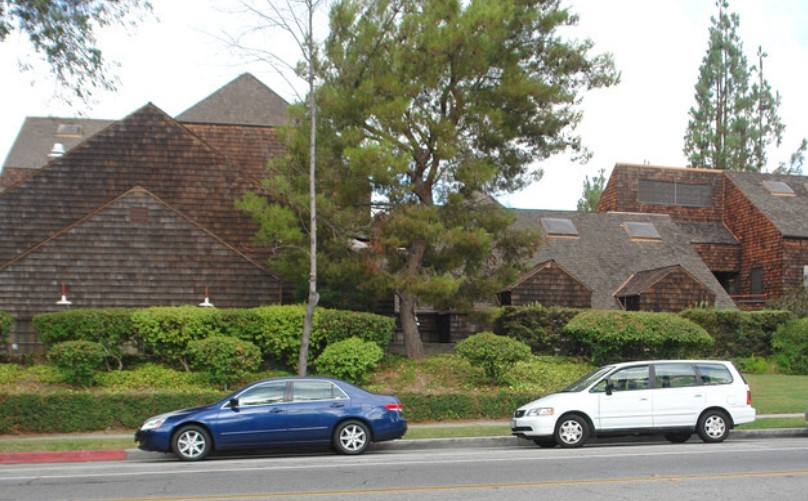
Tao Chiropractic is conveniently located at 200 E Del Mar Blvd, Suite 123, Pasadena, CA 91105.
We serve patients from Pasadena, South Pasadena, San Marino, Altadena, Glendale, Burbank, Arcadia, Alhambra, Eagle Rock, La Cañada Flintridge, Sierra Madre, San Gabriel.