Sciatica Treatment
Want to sit, stand and walk without pain shooting down your leg?
Last updated: November 23, 2026 Reviewed by Gary Tao, DC
When sciatica sends pain from your lower back into your hip and down your leg, our goal is to help you move more comfortably. We want you to get through daily life with less fear of setting off your symptoms. The first job is finding where that pain comes from. At Tao Chiropractic in Pasadena, Dr. Tao starts with a motion exam and X-rays to find where your low back is stuck or carrying the most stress. The sciatic nerve begins as nerve roots leaving the lower spine, which is why trouble there can be felt all the way down your leg. The main technique he uses is spinal manipulation, a short, fast push by hand into a stuck joint of the lower back. It aims to restore movement there and ease the pain that shoots through the buttock and down the leg, without surgery. Lighter techniques are there when you need them.
Who You'll See
-

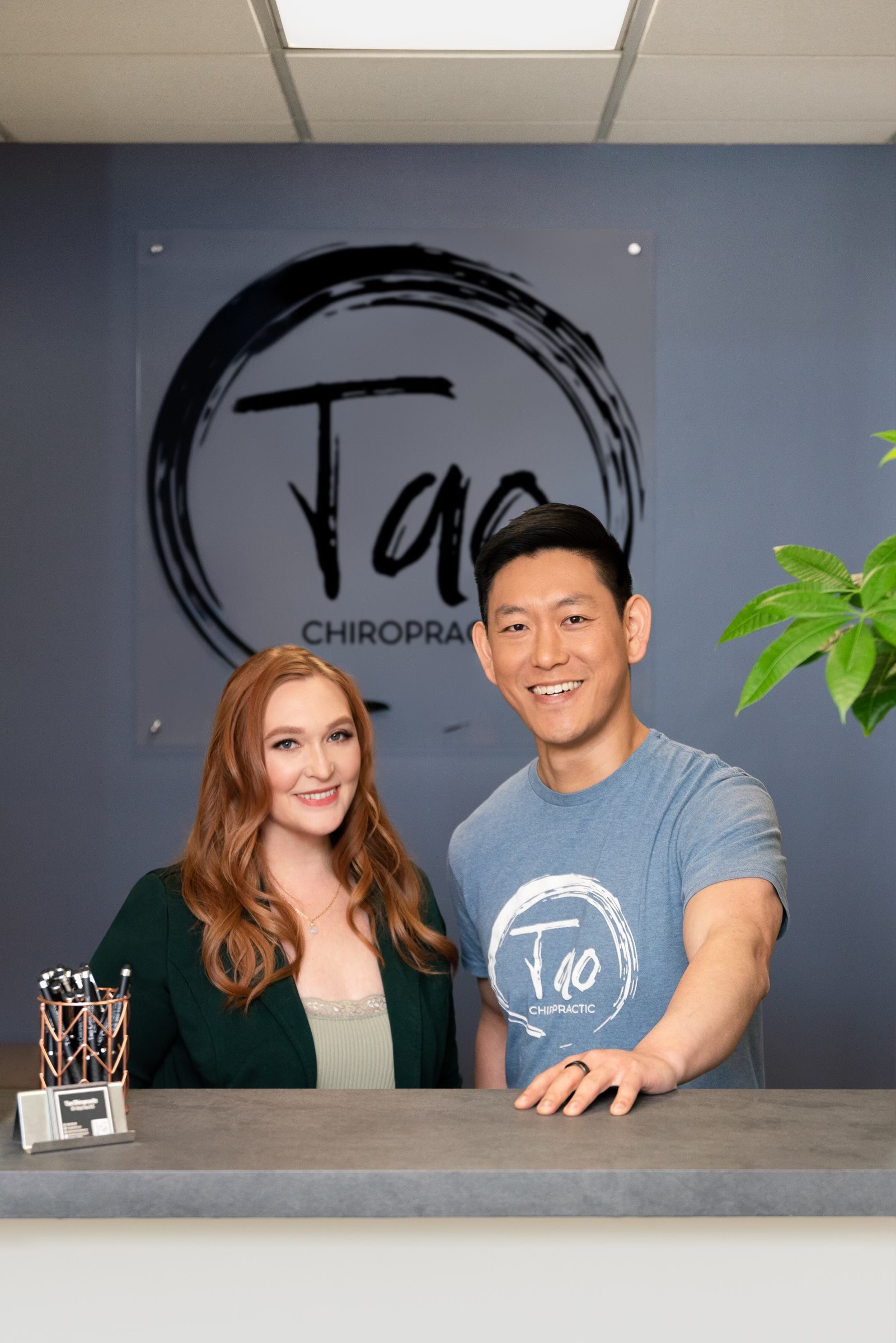
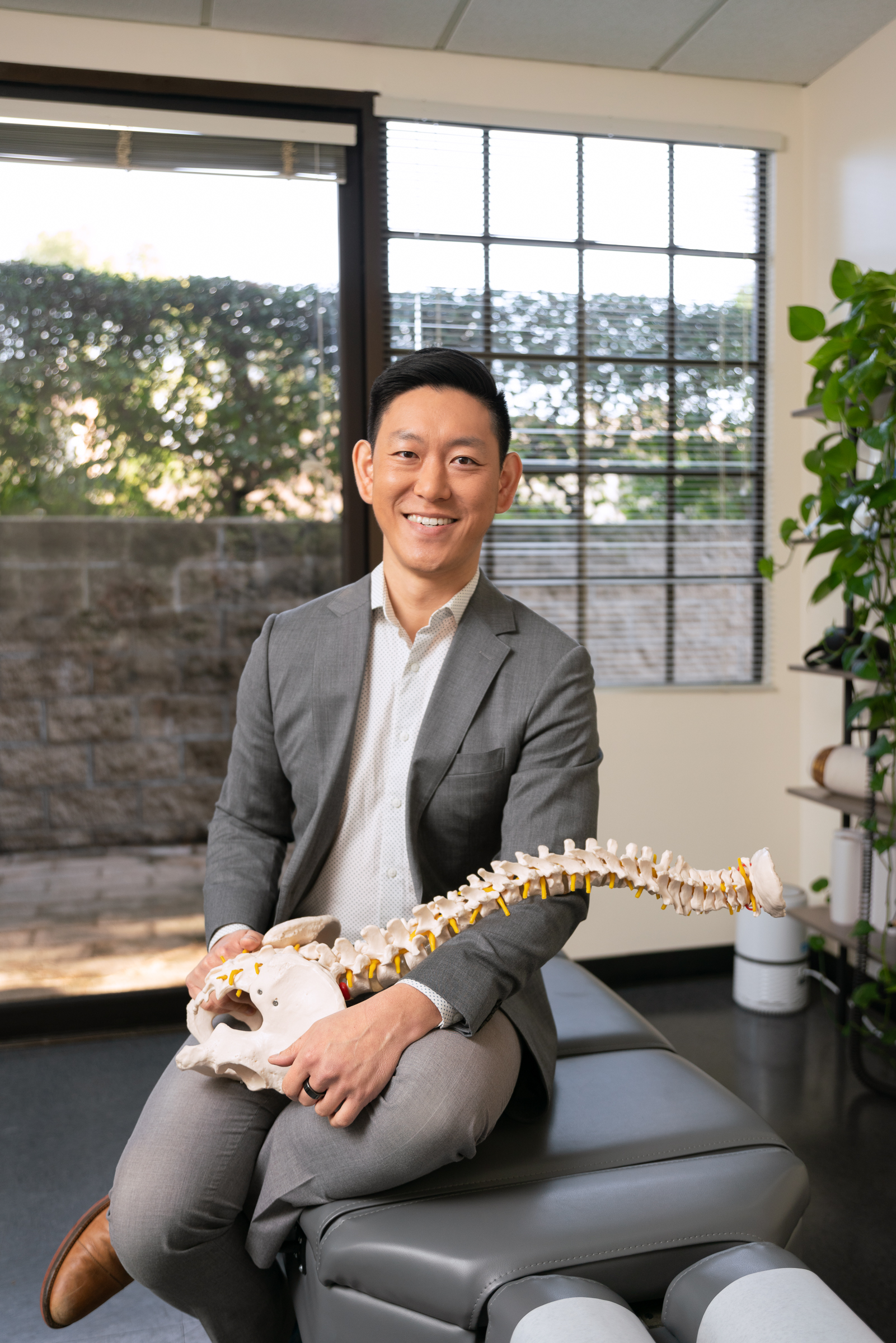
Gary Tao, DC
Chiropractor who makes the adjustment the focus of every visit, with full-spine X-rays taken right in the office
- Chiropractic degree
- Doctor of Chiropractic, Life Chiropractic College West
- Undergraduate
- B.A., Economics, University of California, Los Angeles
Overview
You feel sciatica along the sciatic nerve, from the buttock down the back of the thigh and into the calf, often with numbness, tingling or weakness in the leg. We start higher up, in your lower back, where the nerve roots that make up that nerve leave the spine. Usually a herniated disc or an overgrowth of bone there is pinching one of those roots, which inflames the nerve and sends the pain down your leg.
The adjustment we use most, spinal manipulation, helped people whose nerve-root irritation, the cause of most sciatica, was still recent (acute lumbar radiculopathy). Among people with new back pain and sciatica from a bulging disc, about 55 in 100 of those treated with manipulation were free of leg pain by the end of treatment. Across sciatica more broadly, overall recovery was better with manipulation.
What to Expect During Treatment
- First comes a consultation and a complete review of your health history and symptoms: where the pain travels, when it started, what eases or worsens it, past back problems or surgery, other conditions such as osteoporosis or cancer, and your medicines, including blood thinners
- Then we do a physical, orthopedic and neurological assessment of your back and legs. It may include walking on your toes and heels, rising from a squat, lifting each leg while lying on your back, and checking your strength, reflexes, and sensation. We also look at your spinal alignment and posture. Because sciatica can look different from person to person, we always do this assessment before any treatment, so your care plan is based on what is actually happening in your body
- We also screen for signs that call for medical evaluation before manipulation, such as new trouble controlling the bladder or bowels, sudden leg weakness, fever, a recent violent injury, or a history of cancer
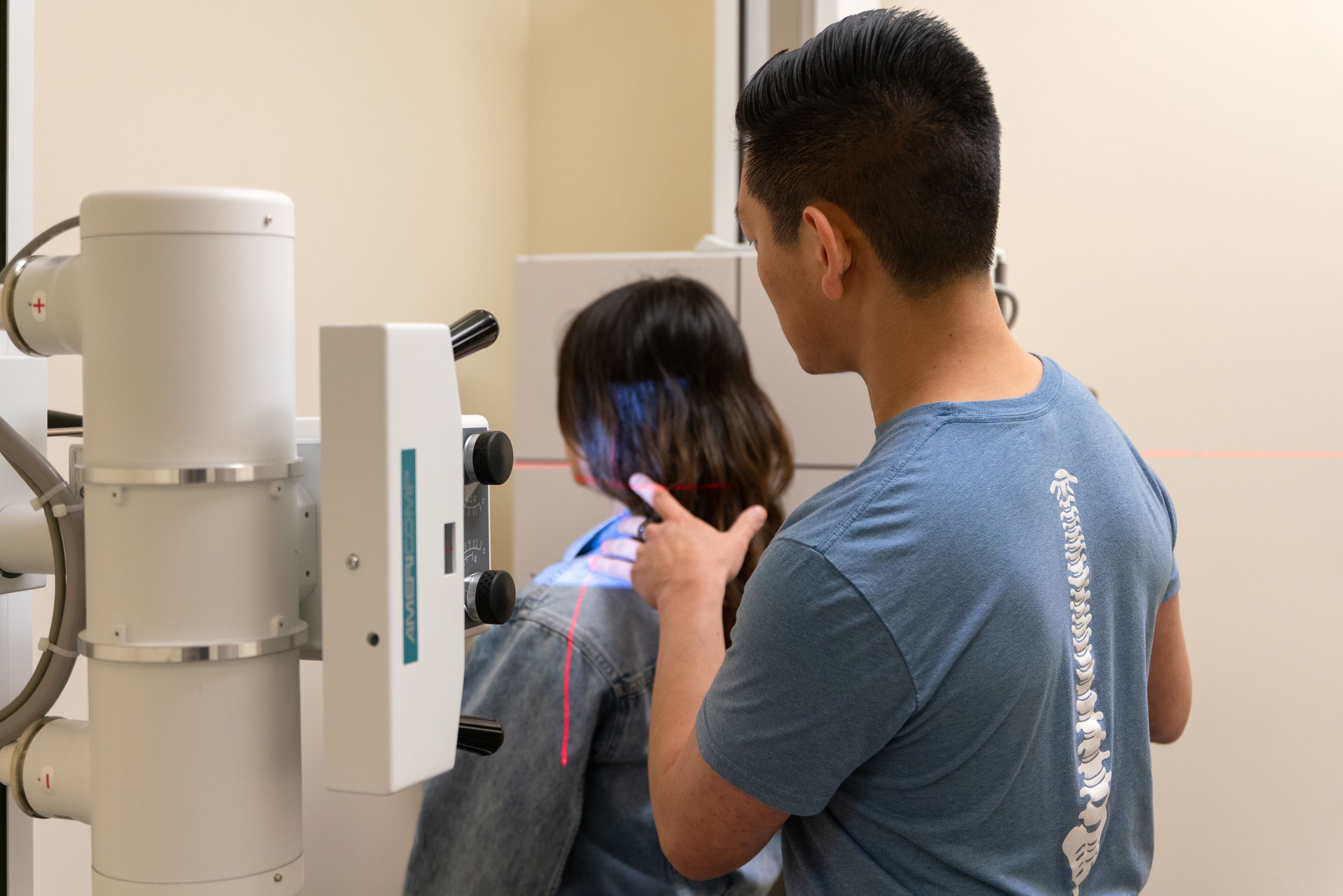
- Imaging to find the cause of sciatica, such as an MRI, is not routinely needed and comes in only when the history or examination calls for it. The full-spine X-rays Dr. Tao takes at most first visits, in our office, answer a different question from that kind of scan: which joints in your lower back are stuck or wearing. If you are pregnant, or the patient is a small child, the exam goes ahead without X-rays
- We talk you through what the exam and X-rays found and explain your condition, your treatment options, and what an adjustment involves, with its possible side effects. Then we ask for your consent and set out a plan built around what we found, your daily routine and what you want to get back to doing
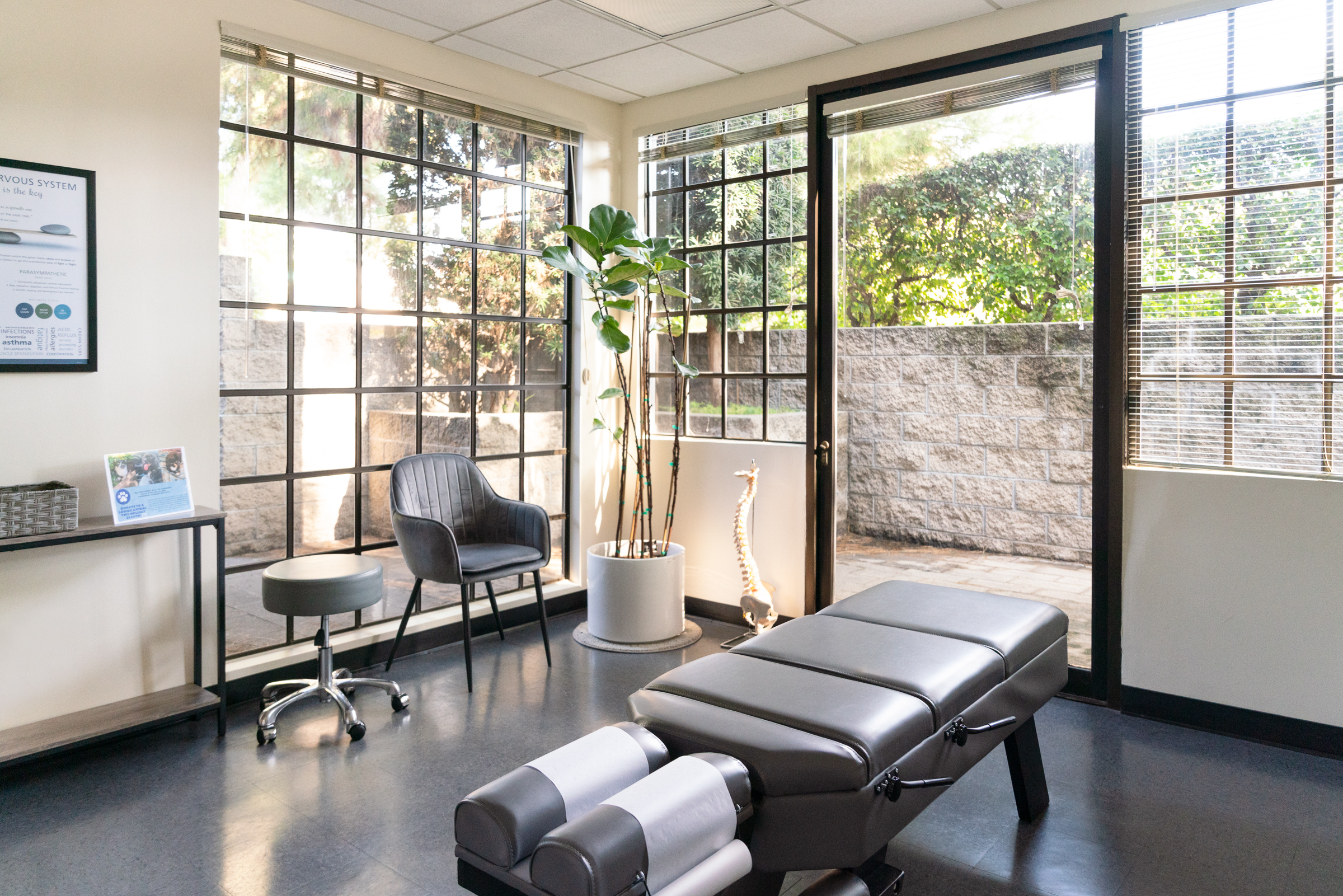
- For the adjustment, we have you lie on a padded treatment table, most often face down, and we can raise sections of it slightly to help target the area
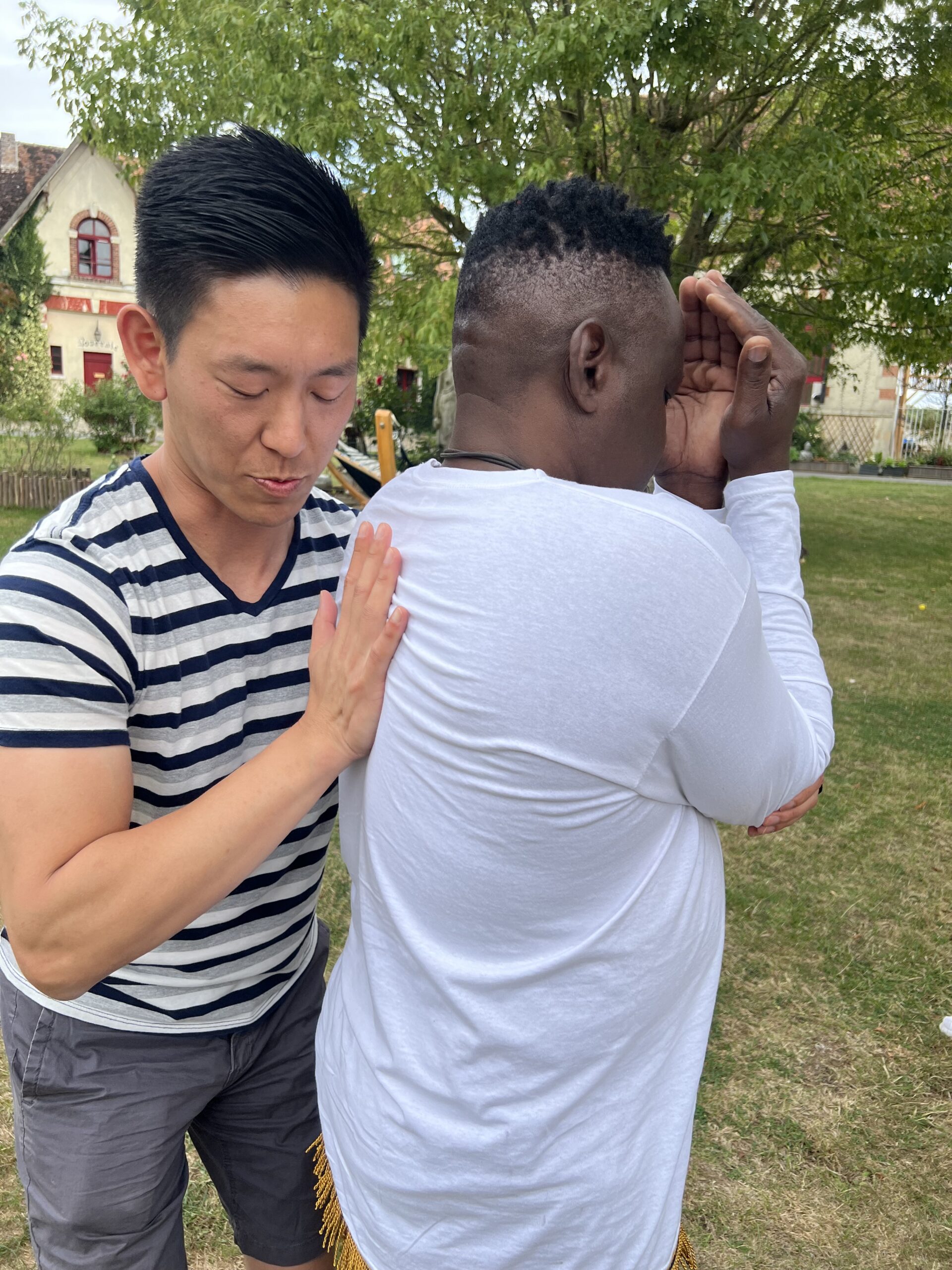
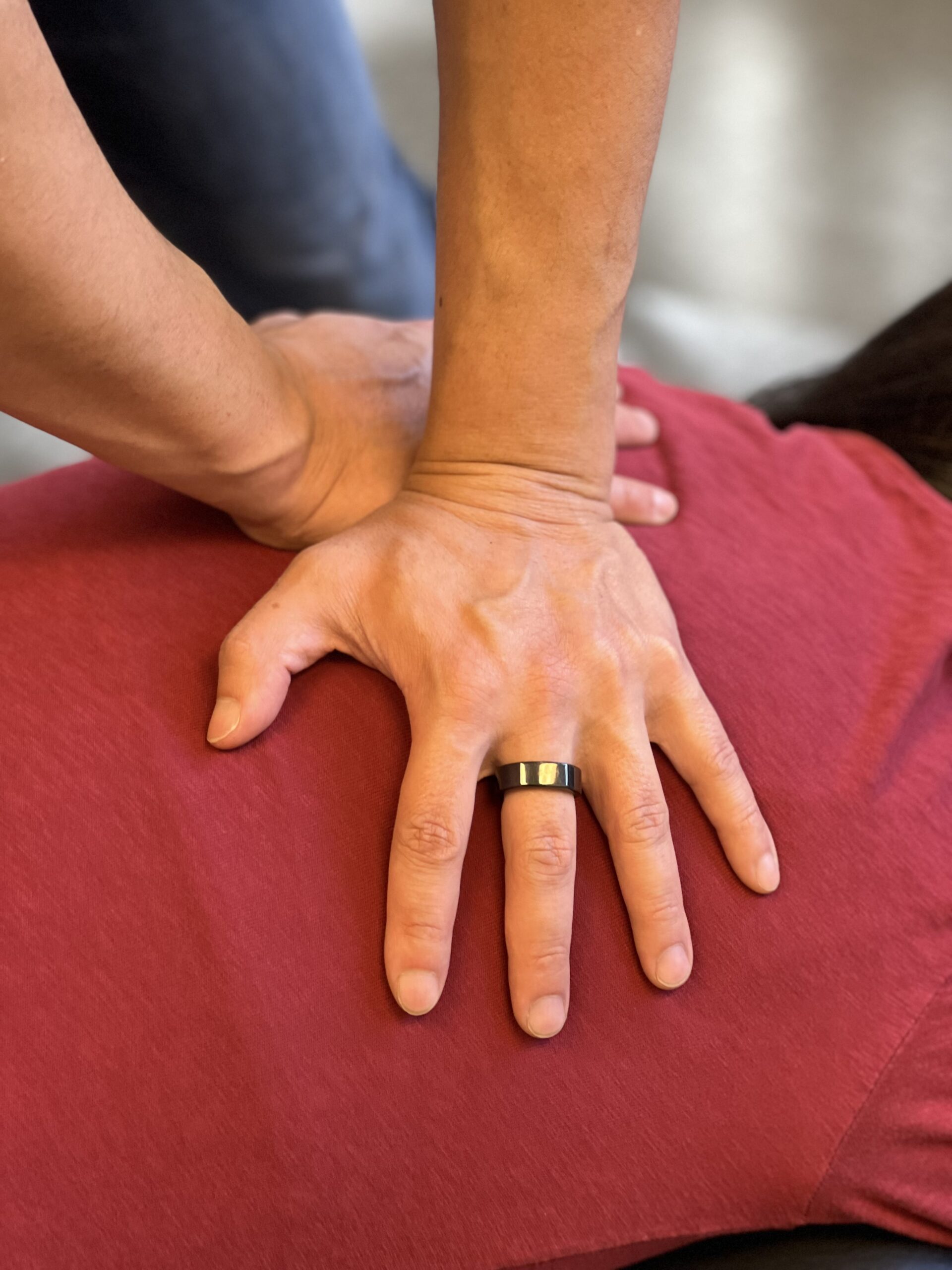
- We then adjust your lower back with spinal manipulation, done by hand or through a small instrument, which moves a joint past its usual range. When it suits you better, we use a lighter technique instead
- When you come back for follow-up visits, we check your leg pain, strength and walking again, and we focus on strategies to prevent flare-ups. If symptoms have not improved after a few weeks, we adjust the plan or discuss other care
Risks
When to avoid
- Signs of cauda equina syndrome (pressure on the nerves at the base of the spine), such as new trouble controlling the bladder or bowels or new numbness in the saddle area (the buttocks, groin, and inner thighs)
- Sudden, severe, or worsening numbness or muscle weakness in a leg, until a medical evaluation has identified the cause
- Severe osteoporosis (badly thinned, fragile bones)
- Cancer in the spine
- Back pain that began after a violent injury, such as a traffic accident, until a fracture has been ruled out
- Unexplained fever with back pain or other signs of a spinal infection, until infection has been ruled out
- An increased risk of stroke, or an abnormally formed bone in the upper neck
Possible risks
- Temporary soreness, stiffness, or increased pain in the treated area, usually settling within 24 hours
- Headache or tiredness after treatment
- Worsening of an existing lumbar disk herniation (rare)
- Compression of the nerves in the lower spinal canal (cauda equina syndrome), which can affect bladder and bowel control (very rare); the risk of a clinically worsened disk herniation or cauda equina syndrome after manipulation for a lumbar disk herniation is estimated at less than 1 in 3.7 million
- Fracture of a vertebra weakened by osteoporosis (rare)
- Bleeding into the spinal canal (spinal epidural hematoma), reported in rare cases
- A certain type of stroke after manipulation of the neck, if the neck is also treated (very rare)
Who needs extra care
- Osteoporosis that is not severe, inflammatory arthritis of the spine (inflammatory spondylopathy), or an aortic aneurysm (a bulge in the body's main artery), which have been linked to a higher likelihood of injury after chiropractic care and are taken into account when choosing techniques
- Long-term use of blood thinners (anticoagulants) or a chronic bleeding or clotting disorder, which have been linked to a higher likelihood of injury after chiropractic care and are taken into account when choosing techniques
- Pregnancy, in which the potential risks and benefits of spinal manipulation are discussed before treatment
When It's Recommended
- Leg pain from a herniated or bulging disc in the lower back (lumbar disc herniation or disc protrusion), including a flare-up that has just started
- Leg pain coming from your back that has hung around for several weeks or longer (subacute or chronic sciatica)
- Sciatica from a herniated disc that has not eased after several months of other nonsurgical care and does not urgently need surgery
- Sciatica where you want a drug-free option alongside exercise and self-care
How It Works
When we adjust your lower back with spinal manipulation, a controlled thrust, given by hand or with a small instrument, takes one joint of the spine a little past the point it would reach on its own. The aim is to get your spine moving again and ease the pain. You may hear a pop or crack; that is gas (oxygen, nitrogen and carbon dioxide) leaving the joint.
- Mobilization is the option without a thrust: you can control it, and the joint never leaves its natural range of motion. For sciatica, Dr. Tao adjusts by hand or, when you need one, with a lighter technique, which he explains before he uses it.
- The UK's National Institute for Health and Care Excellence (NICE) counts both manipulation and mobilization as manual therapy, meaning hands-on treatment, for low back pain whether or not you also have sciatica. With sciatica, hands-on treatment and exercise go together. NICE recommends manual therapy only as part of a treatment package that includes exercise. People whose leg pain came from the back and who added spinal manipulation to their home exercises and advice saw that leg pain come down by a meaningful extra amount by 12 weeks.
- When the spine is misaligned, nerves may become irritated. That can cause pain to travel from the lower back down the legs. Our adjustments aim to help by correcting misalignments, releasing pressure, and restoring healthier movement. We also pay attention to your nervous system, the brain, spinal cord and nerves, since it shapes how your body copes with stress, tension and pain.
- The sciatica we see most often comes from a few things. A herniated or bulging disc can press on or irritate a nearby nerve root, which may trigger pain that travels into the hip, glute, or leg. Spinal joints that are not moving well can increase stress on the lower back and contribute to nerve irritation. Overworked, tight muscles in the lower back, hips, or glutes can add pressure that aggravates sciatic symptoms. If your pain keeps returning or limits your daily activities, we start with an exam and X-rays and build a plan aimed at lasting relief.
Recovery & Aftercare
- You may feel mild soreness, stiffness or a headache after a visit. It usually settles within 24 hours.
- Stay active and keep up your normal activities. Resting a day or so may ease the pain, but if you stay inactive, sciatica symptoms tend to get worse.
- A heat or cold pack at home may ease soreness.
- Many episodes of sciatica improve within four to six weeks; more severe cases can take several weeks or months.
- Contact a healthcare provider right away if you notice new weakness or numbness, worsening pain, or trouble controlling your bladder or bowels after a session
- Sudden numbness or muscle weakness in a leg, trouble controlling the bladder or bowels, or pain after a violent injury needs immediate medical care
Frequently Asked Questions
What is chiropractic care for sciatica?
Does chiropractic treatment for sciatica hurt?
Is chiropractic care safe for sciatica?
How many visits are needed for sciatica relief?
What happens during a chiropractic visit for sciatica?
Who should not get chiropractic treatment for sciatica?
Can a chiropractor help sciatica pain?
How long does sciatica treatment take?
Visit Our Pasadena Office
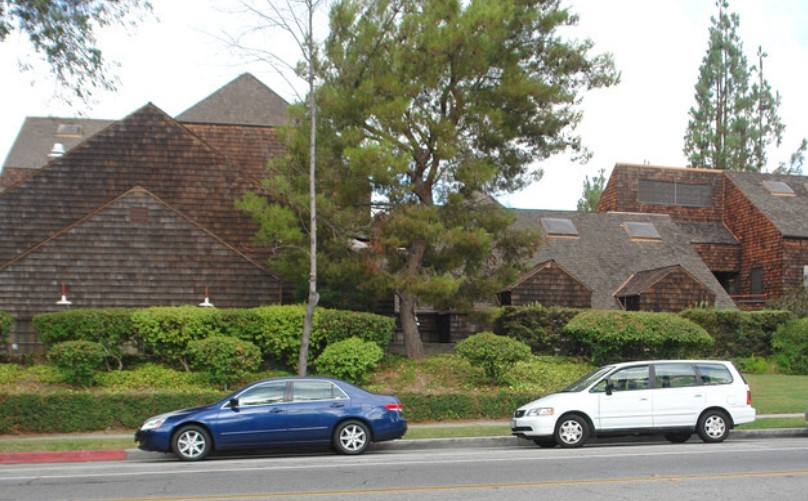
Tao Chiropractic is conveniently located at 200 E Del Mar Blvd, Suite 123, Pasadena, CA 91105.
We serve patients from Pasadena, South Pasadena, San Marino, Altadena, Glendale, Burbank, Arcadia, Alhambra, Eagle Rock, La Cañada Flintridge, Sierra Madre, San Gabriel.