
Carpal Tunnel Treatment
Aim to sleep through the night without numb, tingling hands
Last updated: November 23, 2026 Reviewed by Gary Tao, DC
Our aim is to help you sleep through the night and trust your hands again, without numb, tingling fingers getting in the way. Numbness that wakes you at night, and buttons or jar lids that have gotten harder to manage, are common with carpal tunnel syndrome. For carpal tunnel syndrome, Dr. Tao follows the nerve the whole way, from your neck and upper back through the shoulder, forearm and wrist, and works on reducing the irritation along it. Your first visit here in Pasadena starts with a health history and an exam of your neck, arm and hand, which also looks for signs of severe nerve compression that call for an evaluation for surgery. For most new patients we also take full-spine X-rays in the office, and he reads them for stuck or wearing joints, including the neck and upper back. People with carpal tunnel syndrome who had chiropractic care improved about as much in comfort, use of their hands and nerve signals as people who had conservative medical care with ibuprofen and night wrist supports.
Who You'll See
-

Gary Tao, DC
Chiropractor who makes the adjustment the focus of every visit, with full-spine X-rays taken right in the office
- Chiropractic degree
- Doctor of Chiropractic, Life Chiropractic College West
- Undergraduate
- B.A., Economics, University of California, Los Angeles
Overview
The numbness, tingling and pain of carpal tunnel syndrome come from pressure on the median nerve, and our care is aimed at reducing the irritation along it. That pressure builds in the carpal tunnel, a narrow, rigid passage in your wrist made by the small wrist bones and a strong band of tissue across the top (the transverse carpal ligament). Your thumb and your index, middle and ring fingers are where you'll mostly notice it. It can feel like burning and often wakes people from sleep, and it can bring on weakness, clumsiness and dropping things.
Imagine the nerves that flow from your neck past the shoulder, elbow, wrist, and finally to your fingertips. When there is stress or injury in the joints along the spine, this communication can be less than 100% and potentially cause pain, tingling or numbness anywhere along that nerve, down to your hand. So we check the whole path: your spine and posture, stress, and the daily habits that affect your recovery and whether symptoms come back, especially if your job means typing all day or repeating the same motion. Freeing up stuck joints can help take strain off the nerve, and when the body moves better, blood flow and the nerve's ability to slide often improve too, which can mean more comfort and better use of your hands over time. If work or repetitive tasks make your symptoms flare, your plan takes that into account.
What to Expect During Treatment
- We start with your health history: where the numbness, tingling, or pain is, when it started, and whether it wakes you at night. Then we talk about how you use your hands at work, at home, and in your daily activities. Conditions linked with carpal tunnel syndrome come up as well, such as diabetes, rheumatoid arthritis, thyroid disease, or pregnancy, along with your medicines, including blood thinners
- Next we examine your neck, shoulder, elbow, and wrist, along with your posture and spine. Orthopedic and neurological tests are part of that exam, and so is a check of how well your wrist and arm move. It looks for other causes of hand symptoms, such as a pinched nerve in the neck or compression of the median nerve at the elbow
- Hand and wrist tests come next. They may include tapping over the median nerve at the wrist (Tinel sign), holding the wrist bent forward (Phalen test), light touch testing of the fingertips, and checks of grip strength and of the muscles at the base of the thumb
- When the diagnosis is unclear or the symptoms are severe, nerve conduction studies (tests of the speed of signals along the nerve), electromyography (a test of the hand muscles' response to nerve signals) or an ultrasound of the wrist can help confirm what is going on
- X-rays of your full spine are part of the first visit, and we take them here in the office. We read them for joints that are stuck or wearing, the neck and upper back included. We skip the X-rays for pregnant patients and small children
- We go over the findings with you, along with the proposed plan, what mobilization and manipulation involve, and their possible side effects, and treatment starts once you give your consent. The plan Dr. Tao recommends is based on your symptoms, work habits, posture, and exam findings. It is shaped around your goals, whether that’s sleeping without numbness, working without constant tingling, or getting your grip strength back
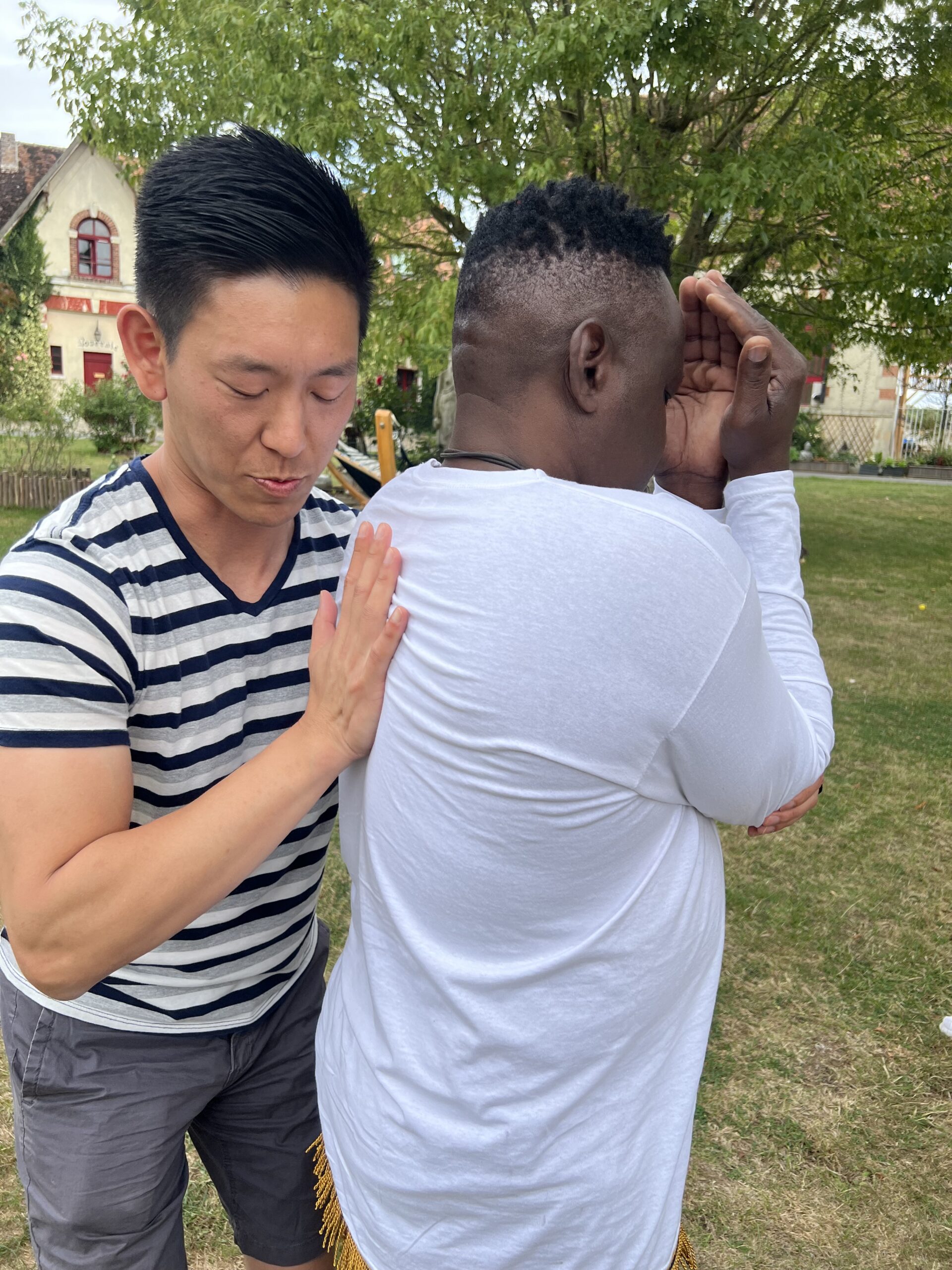
- We move the small bones of your wrist and your elbow by hand, either with light, repeated movements of the wrist and forearm (mobilization) or with a quick, controlled thrust (an extremity adjustment)
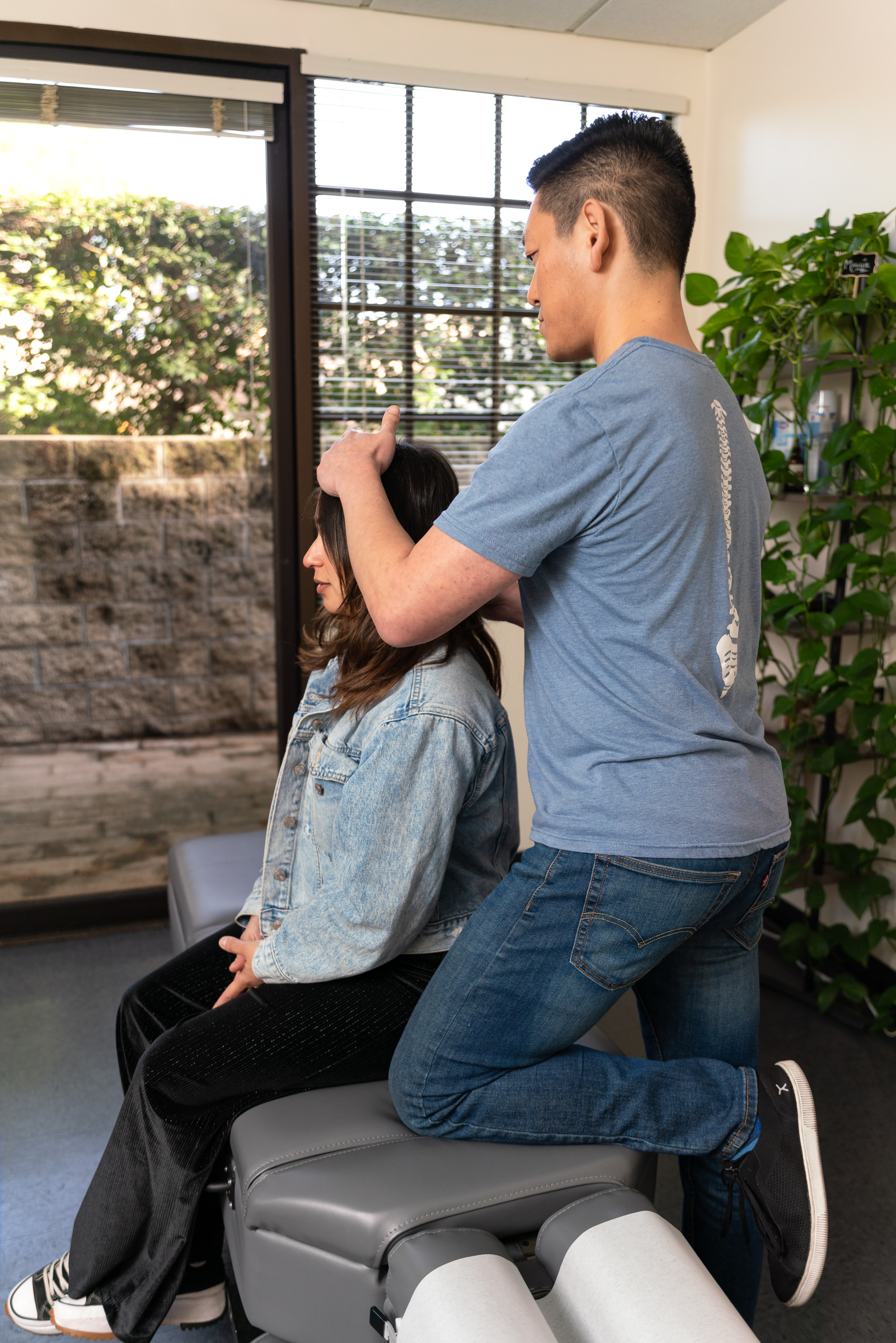
- The spine is moved the same two ways, usually while you lie on a padded treatment table
- At follow-up visits we recheck numbness, grip, and hand function and track your progress against the goals in your plan. If symptoms have not improved after about six weeks, or weakness develops, other options are discussed, including an evaluation for surgery
Risks
When to avoid
- Constant numbness, progressing weakness, or wasting of the muscles at the base of the thumb (thenar atrophy), signs of severe median nerve damage for which an evaluation for carpal tunnel release surgery is recommended
- A recent fracture or dislocation of the wrist, hand, elbow, or neck
- Infection of a bone or joint, or cancer, in the area to be treated
- Rheumatoid arthritis or another inflammatory arthritis that has loosened the ligaments of a joint to be treated and left it partly out of place (subluxation)
- A herniated disk in the neck with progressing weakness or numbness in the arm
- Signs of acute pressure on the spinal cord in the neck (myelopathy)
Possible risks
- Temporary soreness, stiffness, or increased pain in the treated area, usually settling within 24 hours
- Headache or tiredness after treatment
- Fracture of a bone weakened by osteoporosis or another bone-weakening condition
- Bleeding in people taking blood thinners (anticoagulants) or with a bleeding disorder
- Herniation or worsening of a disk in the spine (rare)
- A certain type of stroke, from a tear in an artery of the neck, after manipulation of the neck (very rare)
Who needs extra care
- Osteoporosis or another condition that weakens bone, which raises the risk of fracture with manipulation and is taken into account when choosing techniques
- Long-term use of blood thinners (anticoagulants) or a bleeding disorder, which carries a risk of bleeding with manipulation and is taken into account when choosing techniques
- A history of stroke, reduced blood flow to the brain through the arteries of the neck (vertebrobasilar insufficiency), or an abnormally formed bone in the upper neck, for which manipulation of the neck is avoided while care of the wrist and elbow can continue
- Pregnancy, in which the potential risks and benefits of spinal manipulation are discussed before treatment
When It's Recommended
- Numbness, tingling or pain in your thumb and your index, middle and ring fingers, from mild to moderate carpal tunnel syndrome
- Numb, tingling or painful hands at night, or when the wrist stays bent forward or back while driving, reading or holding a phone
- Carpal tunnel pain in your wrist and hand that you'd like to work on without medication or surgery, alongside a night wrist splint and nerve gliding exercises
How It Works
With carpal tunnel syndrome, the median nerve is getting squeezed inside the tunnel. The tunnel's walls don't stretch, so if the space inside narrows or the tissue around your finger tendons swells, there's more pressure on the nerve and less blood getting to it. Together, those bring on the numbness, tingling, pain and weakness in your hand.
- When a joint is stuck, there are two main ways to free it. A manipulation is a quick, controlled thrust that carries the joint slightly beyond where it would go by itself. A mobilization is slower movement inside the joint's normal range, with no thrust. Either can be done by hand on the small bones of your wrist (carpal bone mobilization), your elbow and your spine.
- Nerve mobilization is hands-on work on your forearm, wrist and hand that moves them so the median nerve can slide more freely. In the forearm, the nerve's outer covering can be held too tightly in places (tethering). Hands-on therapy may loosen those spots, and it may help the nerve glide through the carpal tunnel as you move your wrist, fingers and elbow. People with carpal tunnel syndrome who had physical therapy made up only of hands-on work, on the soft tissues and on sliding the nerve along its path, ended up with less pain, better use of their hands, and median nerves that carried their signals better.
- The median nerve starts out as nerve roots in your neck and passes your elbow and forearm on the way to your wrist, and our care of your elbow and spine follows that path. Checking your neck, shoulder and elbow also tells us whether a pinched nerve in the neck or pressure on the nerve at the elbow could be behind your hand symptoms, since either can cause much the same thing.
- Nerve gliding exercises use simple movements of your hand and fingers to help the median nerve slide more freely through the tunnel. A night splint holds your wrist straight while you sleep, which takes pressure off the nerve. Along with moving the small wrist bones by hand, nerve gliding and splinting can help in the short term.
Recovery & Aftercare
- You may feel mild soreness, stiffness or a headache after a session, and it usually settles within 24 hours
- With conservative care, your carpal tunnel symptoms usually start to improve within two to six weeks and reach their greatest improvement at about three months
- If your symptoms haven't improved after about six weeks, we look at another approach. When carpal tunnel syndrome is severe, or when four to six months of conservative care haven't brought improvement, surgery is generally what's offered
- Contact a healthcare provider promptly if you notice new or increasing numbness, weakness or loss of muscle at the base of your thumb, more frequent dropping of objects, or worsening pain after a session
Frequently Asked Questions
What is chiropractic care for carpal tunnel syndrome?
Is carpal tunnel treatment painful?
Is chiropractic care safe for wrist nerve pain?
How long does carpal tunnel treatment take?
What happens during a chiropractic visit for carpal tunnel syndrome?
Who should not have chiropractic treatment for carpal tunnel syndrome?
Can a chiropractor treat carpal tunnel syndrome?
Do I need surgery for carpal tunnel syndrome?
Can chiropractic care help avoid wrist surgery?
Visit Our Pasadena Office
Tao Chiropractic is conveniently located at 200 E Del Mar Blvd, Suite 123, Pasadena, CA 91105.
We serve patients from Pasadena, South Pasadena, San Marino, Altadena, Glendale, Burbank, Arcadia, Alhambra, Eagle Rock, La Cañada Flintridge, Sierra Madre, San Gabriel.