Herniated Disc Treatment
Getting back to moving freely after a herniated or bulging disc
Last updated: November 23, 2026 Reviewed by Gary Tao, DC
If a herniated or bulging disc has you hurting, our focus is helping you move again with more confidence. That means nonsurgical chiropractic care here at Tao Chiropractic in Pasadena, aimed at calming the irritation and reducing disc pressure when possible. Dr. Tao matches each adjustment to where the disc is and how painful it is when you come in. Each disc is a cushion between two vertebrae, with a tougher outer layer and a softer, gel-like center. When that center pushes through a crack and presses on a spinal nerve, the irritated nerve can cause pain in your back or neck, or send it down an arm or leg, and easing that pain is the goal of our care. Your first visit includes a safety screening and, for most new patients, full-spine X-rays taken in our office, and he goes over them with you before recommending a plan.
Who You'll See
-

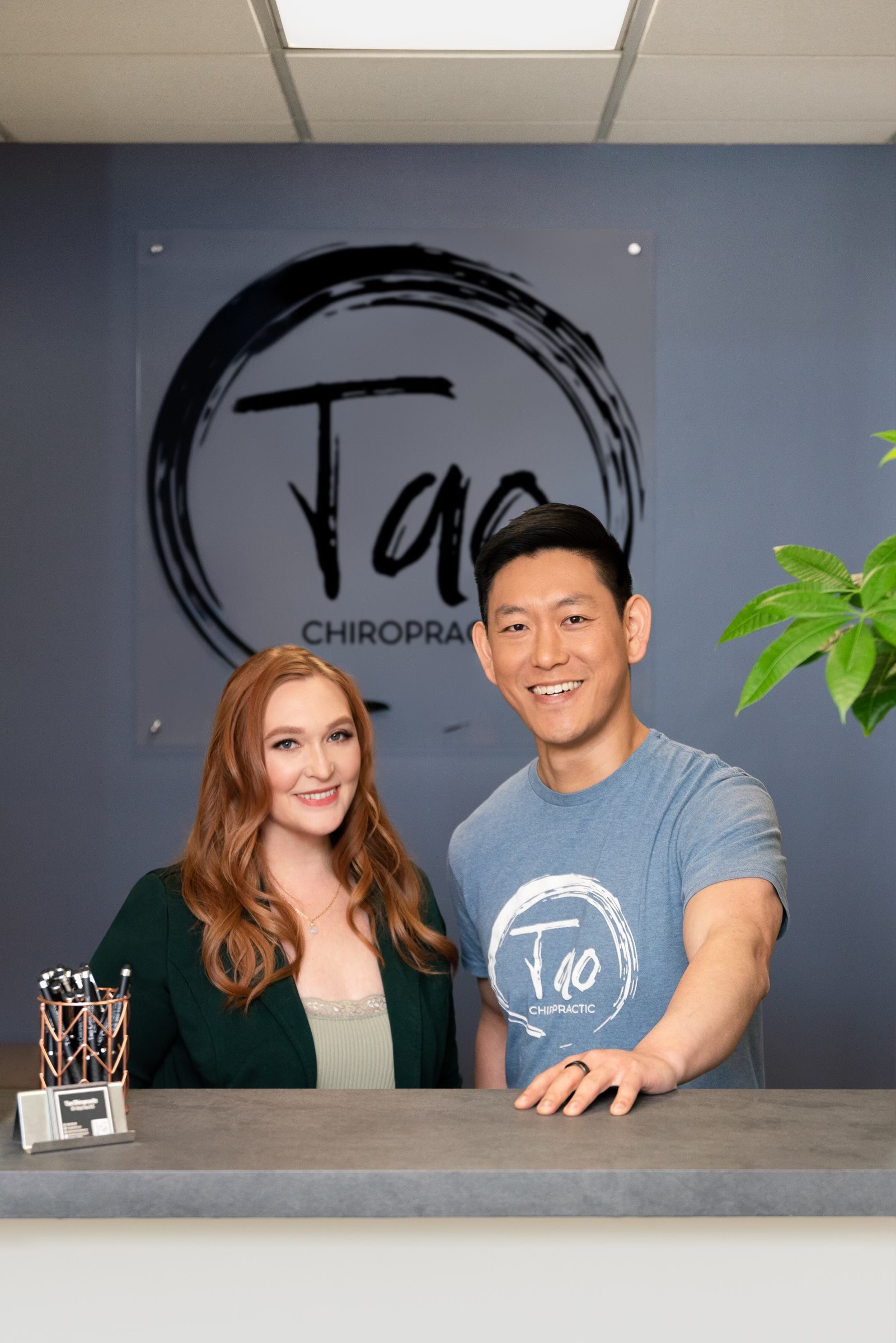
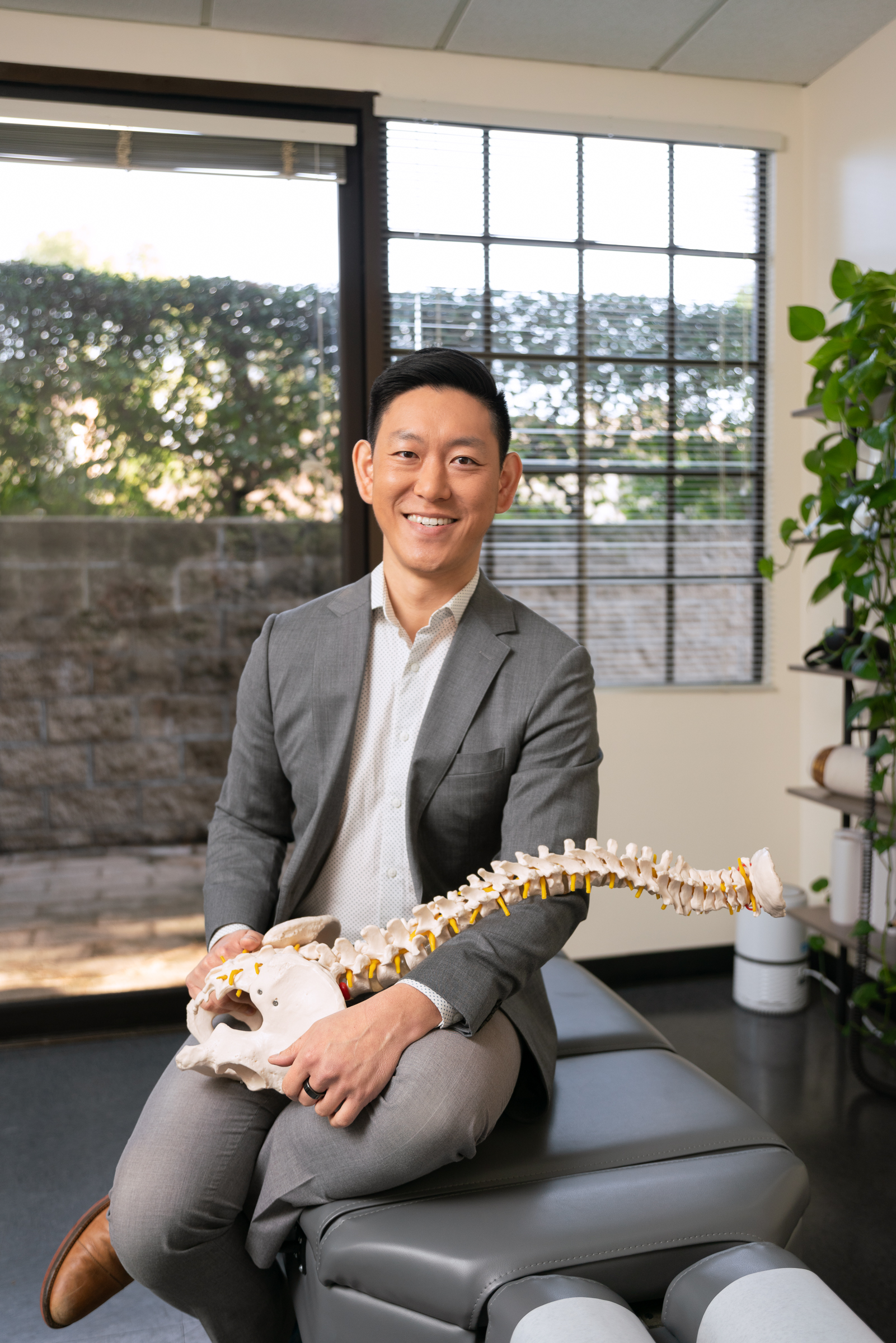
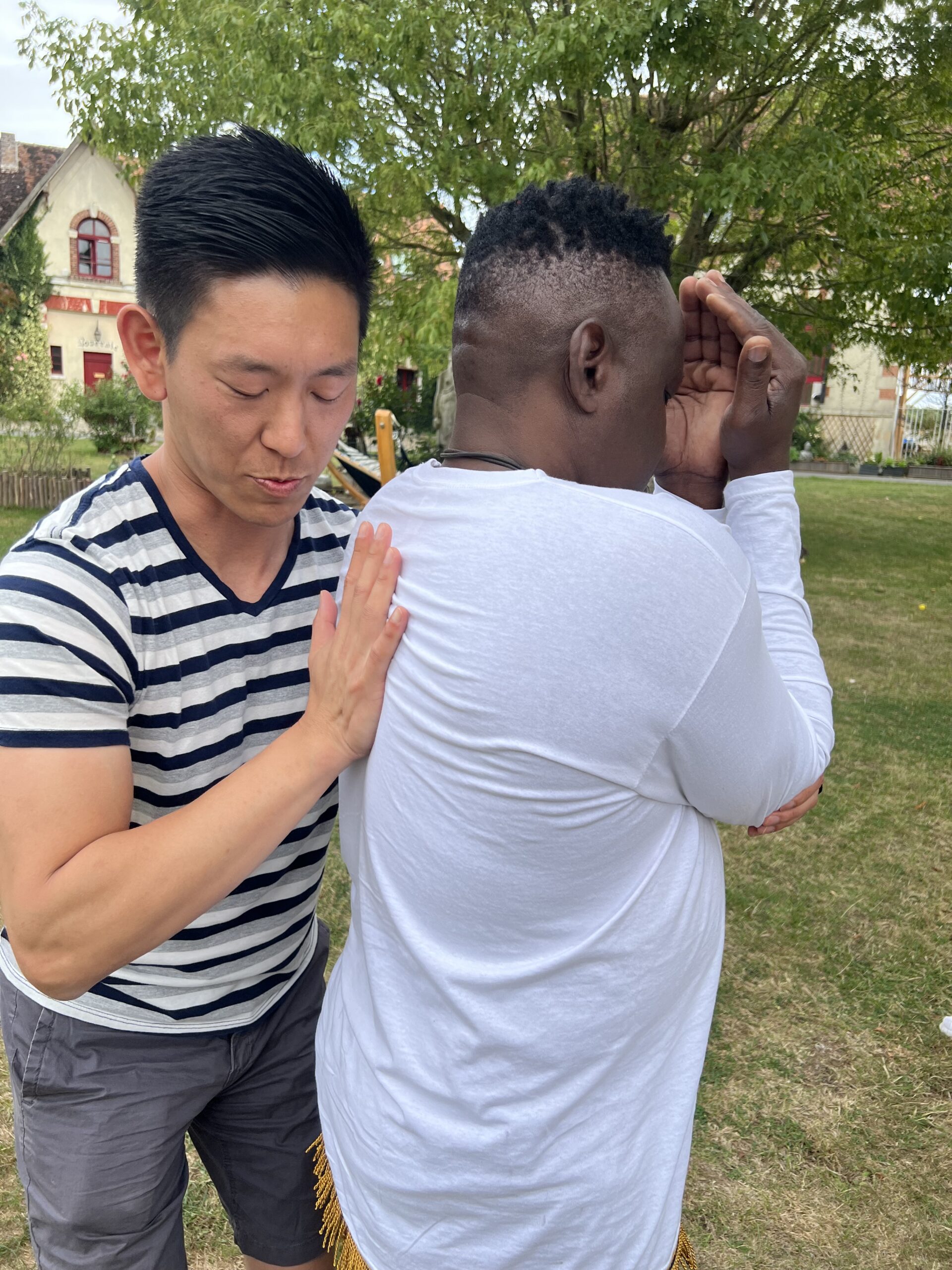
Gary Tao, DC
Chiropractor who makes the adjustment the focus of every visit, with full-spine X-rays taken right in the office
- Chiropractic degree
- Doctor of Chiropractic, Life Chiropractic College West
- Undergraduate
- B.A., Economics, University of California, Los Angeles
Overview
A herniated disc, what many people call a slipped disc, can hurt well away from your spine, so we work on the spot where the disc is pressing on a nerve. When the disc is low in your back, the result is often sciatica, a sharp pain that shoots from one side of your buttocks down into your leg. When it's in your neck, it can send pain, numbness or tingling into your shoulder, arm and hand. About 95% of herniated discs in the lower back (lumbar disc herniations) happen at the two lowest levels of the spine, L4-L5 and L5-S1. For about 9 out of 10 people, a herniated disc gets better on its own or with nonsurgical treatment.
When we adjust for a disc, the aim is to take strain off it and help your spine line up and move, and Dr. Tao picks the technique each visit from your exam and how you have responded so far. When a bulging disc in the lower back has recently started sending pain into the leg, the nerve pain doctors call acute lumbar radiculopathy, spinal manipulation can help ease it.
What to Expect During Treatment
- At your first visit we go over your symptoms, your medical history and your daily habits: how the pain started and what makes it worse, any earlier imaging or spine surgery, your medications (blood thinners included), and what your days ask of your back, such as desk work, lifting, parenting or commuting
- Next comes a physical and neurological exam. We test your strength, sensation and reflexes to see whether a nerve is involved, watch how well you move, and check for warning signs that call for emergency care, not manipulation
- On your first visit we take full-spine X-rays in our office and read them for wear at the disc spaces between the vertebrae. We don't X-ray pregnant patients or small children
- If you've already had an MRI, we check it against what the exam finds, to make sure the disc it shows matches your symptoms
- Once we have gone over the exam and X-ray findings together, we set out your treatment plan. It says which techniques we will use, about how many visits to expect, and when we will check your progress. The plan is built around your condition and your routine
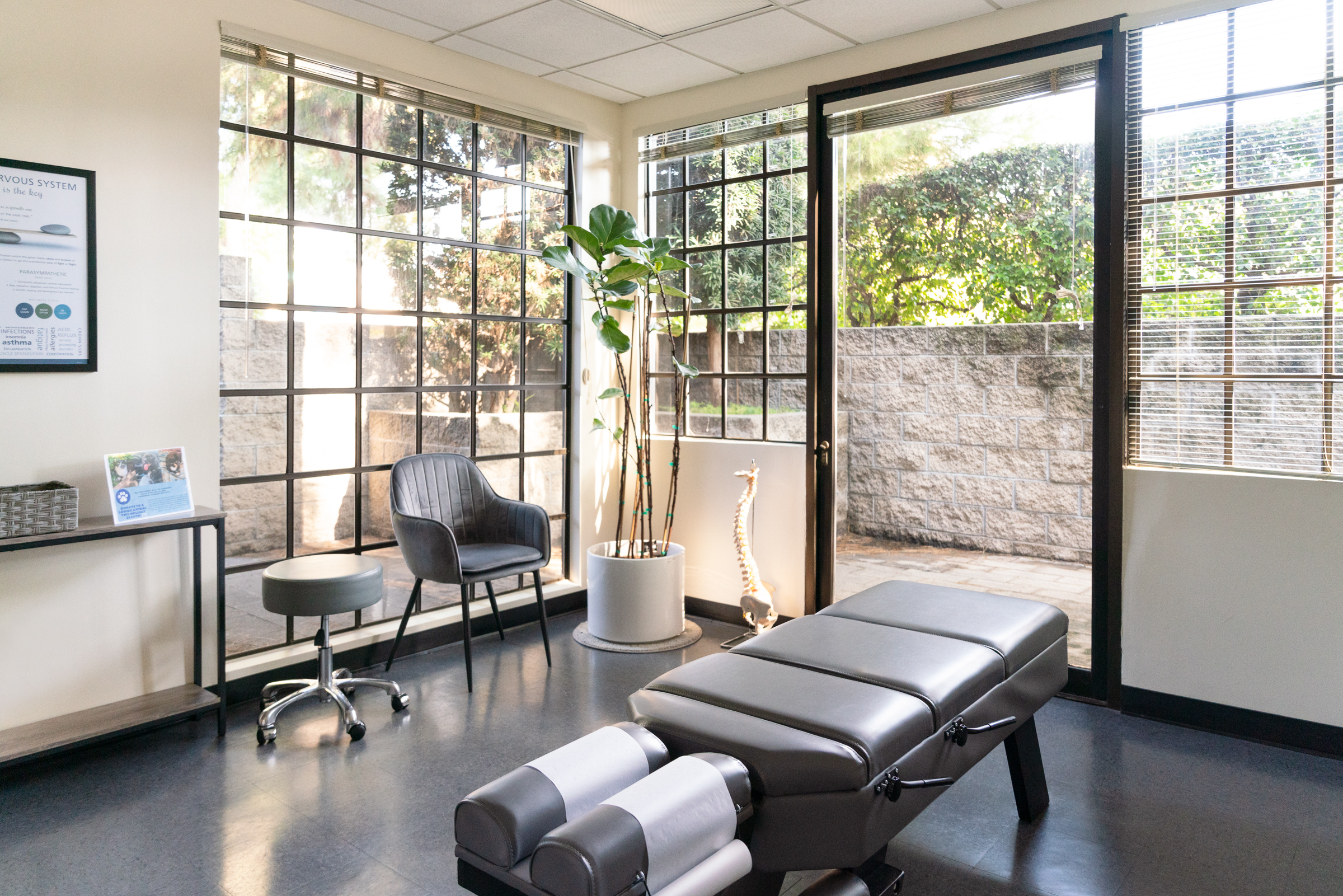
- You lie on a padded treatment table while we adjust the part of your spine where the disc is irritated, with a quick push or a lighter technique, and you may hear a popping sound
- At follow-up visits we repeat the neurological check, keep track of your movement, your pain, and any numbness, tingling or weakness, and change the plan if symptoms are not improving.
- Persistent symptoms or any new weakness lead to a medical evaluation, including a surgical opinion where appropriate
Risks
When to avoid
- Cauda equina syndrome, pressure on the bundle of nerves at the base of the spine (saddle numbness around the groin and buttocks, or new bladder or bowel problems)
- A clearly ruptured disc (frank disc herniation) with signs of progressive neurological deficit, meaning weakness or numbness that keeps getting worse
- Signs or symptoms of acute myelopathy (pressure on the spinal cord)
- A recent broken or dislocated vertebra (acute vertebral fracture or dislocation) at the treated region
- A spinal infection, such as osteomyelitis (bone infection) or septic discitis (an infected disc)
- Cancer of the spine (malignancy) or a spinal cord tumor
- Signs or patterns of spinal instability, where the bones of the spine shift more than they should
Possible risks
- A temporary increase in pain or discomfort, stiffness, or headache after treatment
- Tiredness after treatment
- An increase in nerve-related symptoms from the existing disc injury (rare)
- A clinically worsened disc herniation or cauda equina syndrome after lumbar (lower back) manipulation (rare; the risk is estimated at less than 1 in 3.7 million for patients presenting with a lumbar disc herniation)
- Cervical artery dissection, a tear in the wall of an artery in the neck, and stroke associated with neck manipulation (rare)
- Myelopathy (injury to the spinal cord) or cervical disc injury after neck manipulation (rare)
Who needs extra care
- Severe or painful disc herniation, where slow, low-force (non-forceful, non-high-velocity) techniques are used in place of thrust manipulation
- Osteoporosis or other bone-weakening conditions, where forceful manipulation is avoided at the affected region
- Anticoagulant therapy (blood thinners) or a bleeding disorder, which shapes the choice and force of technique
- Prior stroke or signs of vertebrobasilar insufficiency (reduced blood flow through the arteries at the back of the neck), where neck manipulation is generally avoided in favor of other techniques
- Spinal fixation hardware (screws or rods from spine surgery), where only techniques that leave the fixated joints still are used at the fixated region, and care works with the joints that still move
- Prior spinal surgery at the treated level, where technique depends on healing and stability
When It's Recommended
- Low back pain and sciatica from a herniated or bulging disc in the lower back, with no weakness or numbness that keeps getting worse (lumbar disc herniation)
- Neck pain from a herniated disc in the neck, with pain, numbness or tingling running into the arm (cervical radiculopathy) and no signs of pressure on the spinal cord
- Back and leg pain that came on recently because of a disc (acute disc protrusion)
- Sciatica from a herniated disc in the lower back that other nonsurgical care has not settled, as a conservative option to try before surgery is considered
- An MRI showing a herniated or bulging disc that matches your symptoms and what the exam finds
How It Works
We start with your history and a neurological exam of your arms or legs, testing strength, sensation and reflexes. Those tests help us find which nerve root is irritated, and they screen for the warning signs that would rule out manipulation. If you already have an MRI, we compare it with the exam to confirm the herniation it shows matches your symptoms.
- An adjustment (spinal manipulation) is a quick push that takes a stuck spinal joint slightly past its usual limit. For a lighter touch, mobilization moves the joint inside its normal range without a thrust. If you have an MRI, we use it to aim the adjustment at the spot where the disc is herniated.
- When disc pain is severe, slow techniques that use very little force take the place of thrust manipulation. Otherwise we adjust the part of your spine where the disc is injured, by hand or with a lighter technique.
- When a disc is irritated, the goal is usually to settle the irritation and take pressure off the area without jumping straight to injections or surgery. The care is non-invasive: we work to free up your spine, ease the tension in the muscles around it and calm the irritated nerve.
- Hands-on care like this (manual therapy) is typically paired with exercise, along with advice to stay as active as your comfort allows. For low back pain, with or without sciatica, the UK's National Institute for Health and Care Excellence (NICE) recommends considering manual therapy only as part of a treatment package that includes exercise.
Recovery & Aftercare
- You may have mild soreness, stiffness or a headache after a visit, and it usually settles within 24 hours
- Herniated discs usually heal within four to six weeks, and symptoms that last beyond four to six weeks of nonsurgical care call for reassessment
- You can keep up your normal activities as far as comfort allows
- If you notice new leg or arm weakness, numbness around the groin or inner thighs, or new bladder or bowel problems during a course of care, seek emergency medical care
Frequently Asked Questions
What is chiropractic treatment for a herniated disc?
Does chiropractic treatment for a herniated disc hurt?
Is herniated disc chiropractic treatment safe?
How long does treatment take?
What happens during chiropractic treatment for a herniated disc?
Who should not have chiropractic treatment for a herniated disc?
Can chiropractic care be an alternative to surgery for a herniated disc?
Can chiropractic care help a herniated disc?
Can chiropractic prevent future disc injuries?
Visit Our Pasadena Office
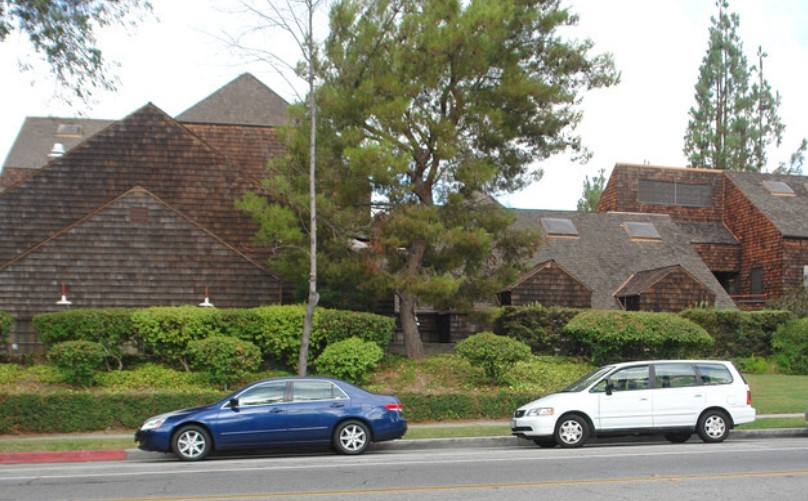
Tao Chiropractic is conveniently located at 200 E Del Mar Blvd, Suite 123, Pasadena, CA 91105.
We serve patients from Pasadena, South Pasadena, San Marino, Altadena, Glendale, Burbank, Arcadia, Alhambra, Eagle Rock, La Cañada Flintridge, Sierra Madre, San Gabriel.