Headache and Migraine Treatment
Work toward fewer headaches and migraines, starting with your neck
Last updated: November 22, 2026 Reviewed by Gary Tao, DC
Fewer headaches and migraines, and some idea of what keeps setting them off, is what most people come to us for. Dr. Tao looks for that answer in your neck. In most of the patients we see with headaches and migraines, we find restriction or tightness in the neck, especially the upper neck, from old injuries or even bad posture, and that is where we work. When we restore motion in the neck, we can reduce the severity and frequency of headaches and migraines. Whether it's chronic migraines, tension headaches, or head pressure that starts in your neck, we'll help you understand what's happening and build a plan aimed at changing it. Care in our Pasadena office begins with a consultation, a spinal exam with orthopedic and neurological testing, and a check for warning signs of a headache that needs prompt medical evaluation first. Most new patients also have full-spine X-rays here at the first visit, and we look at them together so you can see what may be feeding your headaches before we start. We treat the neck and upper back by hand, choosing the approach for your type of headache. Most of it is spinal manipulation, a fast push that frees a stuck joint.
Who You'll See
-

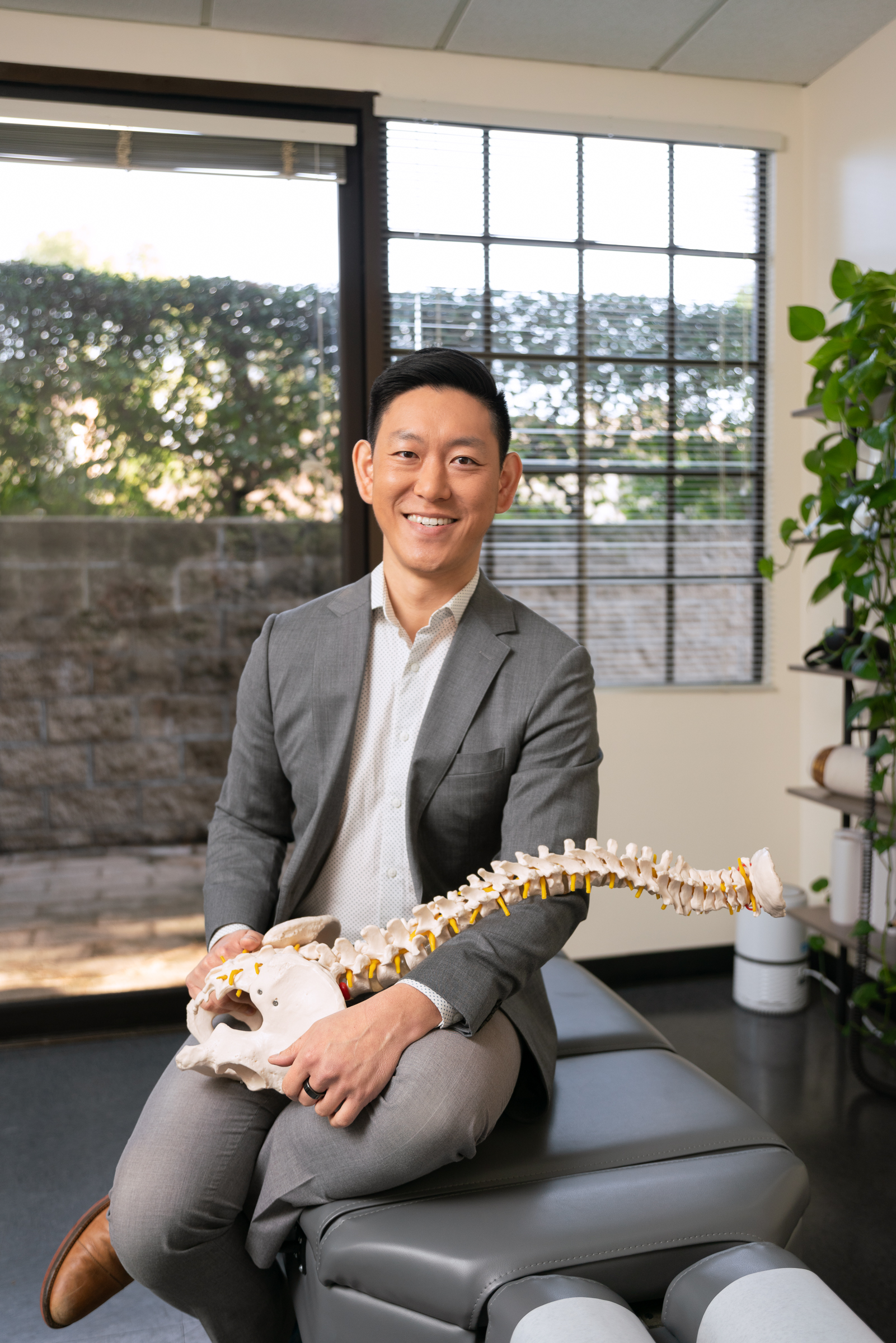
Gary Tao, DC
Chiropractor who makes the adjustment the focus of every visit, with full-spine X-rays taken right in the office
- Chiropractic degree
- Doctor of Chiropractic, Life Chiropractic College West
- Undergraduate
- B.A., Economics, University of California, Los Angeles
Overview
How we treat your headaches depends on which kind you have. A headache that starts in the neck (cervicogenic headache) comes from a problem in the cervical spine but is felt in your head, which is called referred pain: pain that shows up somewhere other than where it starts. It is often on one side and often gets worse when you move your neck.
The most common kind is tension-type headache, which usually feels like a tight band or steady pressure on both sides of your head. Tension-type headache and migraine are both primary headaches, meaning no other condition is causing them.
We start by ruling out a headache that has another cause. If a headache comes on suddenly and hits full intensity within minutes, for example, it needs a medical evaluation before any hands-on care.
Whichever of the three you have, we usually adjust your upper neck and the highest part of your upper back (the upper thoracic spine), working on the joints your exam points to, by hand or with a small instrument.
What to Expect During Treatment
- Health history: we talk through your symptoms, triggers, and timeline so we understand the full picture. That covers where the pain is felt, how often it comes, how long it lasts, what tends to set it off, and which medicines you take for it, since frequent use of pain relievers can itself cause headaches. Work stress, sleep, screen time and posture habits are part of that conversation
- We also check for warning signs that something else is going on: a headache that comes on suddenly and severely, a fever, new nerve symptoms such as numbness or weakness, or a recent head injury. Any of these means seeing a medical doctor before hands-on care
- We examine your spine, including orthopedic and neurological tests, which are simple checks of your strength, reflexes and feeling. The exam looks at your posture, neck movement, and the joints and muscles of the neck and upper back, and it checks your nerve function
- We take full-spine X-rays at the first visit, on the machine in our own office. The films show us where joints have stopped moving or begun to wear. Expectant mothers and small children are not X-rayed
- We work out whether your headache is tension-type, cervicogenic (starting in the neck), or migraine, and what is contributing to it. If strong headaches keep coming back, we look at whether your spine and muscle tension may be part of it
- Dr. Tao goes over your exam and X-ray findings with you, along with the plan, possible side effects, and other options, before treatment begins. He will teach you about your body and how everything is connected. Your plan is built around your body, your triggers, and your exam findings
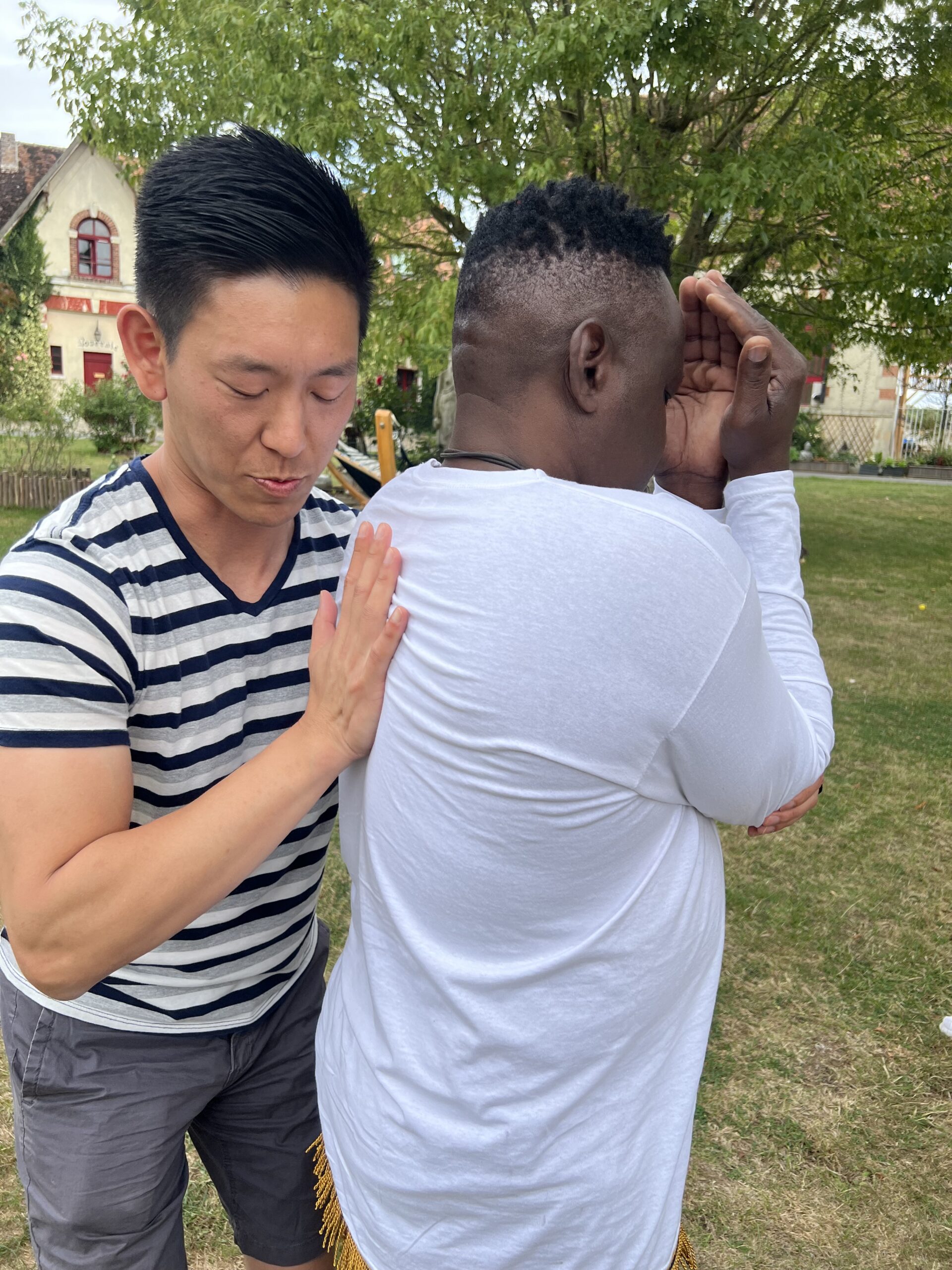
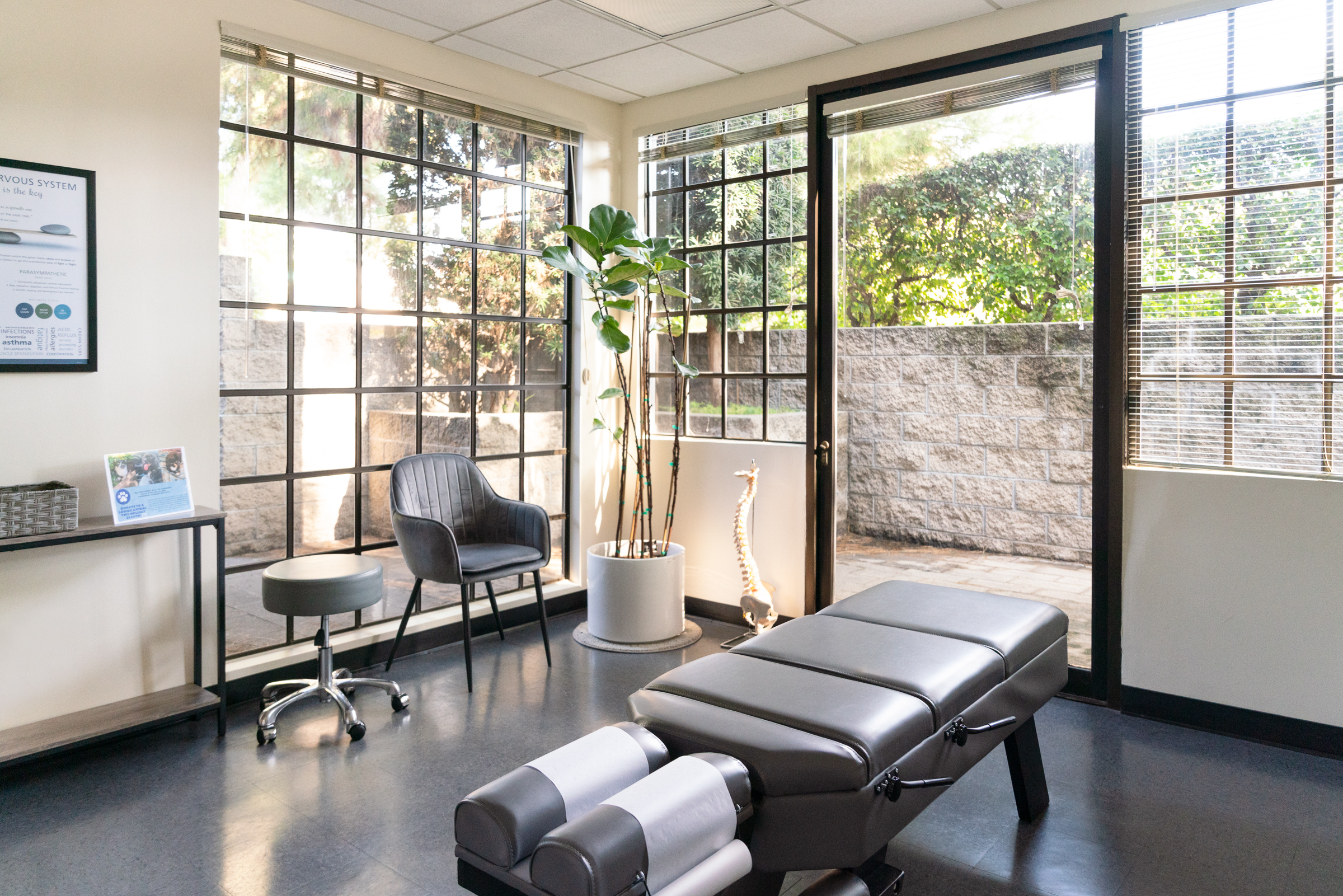
- You lie on a padded table while we adjust your neck and upper back, usually by hand, and you can ask for a lighter, lower-force technique
- Between visits you may keep a headache diary, noting when headaches come, their length and their severity
- At follow-up visits we look at how you are doing, using the diary and any change in symptoms to judge progress and to check whether medical evaluation is needed. Follow-ups are based on your care plan and your body's response
Risks
When to avoid
- A headache with warning signs of a serious underlying cause, such as sudden severe onset, fever, new neurological symptoms, confusion, a recent head injury, or a marked change in the usual headache pattern, until it has been medically evaluated
- Signs of a possible tear in a neck artery (cervical artery dissection), such as new neck pain or a one-sided headache with vision changes, a drooping eyelid, pulsing ringing in the ear, or other neurological symptoms
- Bones or joints in the neck that are very weak or seriously damaged
- An increased risk of stroke, an unstable bleeding disorder, or high-dose blood-thinning (anticoagulant) medicine
- Conditions affecting the nerves, such as peripheral neuropathy
Possible risks
- Temporary soreness, stiffness, or discomfort in the neck or upper back, most often settling within 24 hours
- A temporary increase in headache after treatment
- Tiredness after treatment
- Brief arm pain or tingling, nausea, or dizziness after neck manipulation
- Tears in the arteries of the neck (cervical artery dissection) that can lead to stroke, which are very rare; an association with neck manipulation has been reported, and whether manipulation causes these tears is unclear
- Other serious spinal or neurological problems, which are very rare
Who needs extra care
- Pregnancy, in which the potential risks and benefits of spinal manipulation are discussed with a health care provider before treatment
- Blood-thinning (anticoagulant) therapy or a stable bleeding disorder, which rule out thrust manipulation of the neck and upper back, with lighter techniques considered instead
- Underlying health problems that may raise the risk of injury from spinal manipulation or mobilization, which call for a thorough assessment of health conditions and medicines before treatment
When It's Recommended
- One-sided headaches that start in the neck and may worsen with neck movement, including ones that have lasted more than 3 months (cervicogenic headache)
- Occasional or frequent migraines, with or without aura, as one part of a wider plan for managing them (episodic or chronic migraine)
- Pressure or a tight band around the head that comes and goes or never quite leaves (episodic or chronic tension-type headache)
- Headaches that keep coming back along with neck pain or stiffness, once other causes have been ruled out
How It Works
For headaches, we usually adjust the stiff joints the exam finds in your upper neck and upper back: a single fast push carries each one a little beyond its usual movement (spinal manipulation). Spinal mobilization is slower: it moves a joint within its natural range of motion, with no thrust to take it past that. For tension-type headache, a chiropractic headache guideline suggests that mobilization of the upper neck with very little force (low-load craniocervical mobilization) may help people manage it over the longer term.
- The pop you may hear during an adjustment is gas released from the joint, much like cracking your knuckles.
- When your headache starts in the neck, treating the neck is aimed at the source of the pain. In people with headaches that start in the neck, manipulation of the upper neck and upper back made the headaches less intense and less disruptive to daily life. In people with long-standing headaches of this kind, spinal manipulation cut the number of headache days by about half. A clinical practice guideline from the OPTIMa Collaboration suggests manual therapy to the neck and upper back once this kind of headache has lasted more than 3 months.
- The care itself is the chiropractic adjustment, usually by hand, or a lighter technique if you prefer. For tension-type headache and migraine, that hands-on care is one part of a bigger plan for managing them. Headache care in general often adds exercises for the deep neck muscles and posture correction to joint treatment. For long-lasting tension-type headache, the OPTIMa Collaboration's guideline suggests that kind of combined (multimodal) care, such as mobilization with deep neck-muscle exercise and posture correction, and it advises against neck manipulation as the only treatment.
- We look closely at your neck, upper back and posture, and at where you hold tension, then build a plan for you aimed at making headaches come less often and hurt less over time. The adjustments are precise, to help the joints of your neck move and line up the way they should, and the care aims to ease headaches by working on tension and alignment, without relying on medication.
Recovery & Aftercare
- You might leave a visit a little sore, stiff or tired, perhaps with a brief headache, a bit like the ache after a workout, and most often it settles within 24 hours
- We usually judge a change in how often your headaches come over several weeks, not from a single visit
- We would rather you take a walk after your visit than head straight back to your desk or into traffic
- Call or see a doctor right away if you develop a sudden, severe headache, or a headache with confusion, weakness or loss of feeling in any part of the body, double vision, or loss of consciousness, including after a visit
Frequently Asked Questions
What is chiropractic care for headaches and migraines?
Does chiropractic treatment for headaches hurt?
Is chiropractic treatment safe for headaches?
How many visits will I need?
What happens at a chiropractic visit for headaches?
Who should not get chiropractic treatment for headaches?
When is a headache a medical emergency?
Does chiropractic care help migraines?
Can chiropractic prevent chronic migraines?
Visit Our Pasadena Office
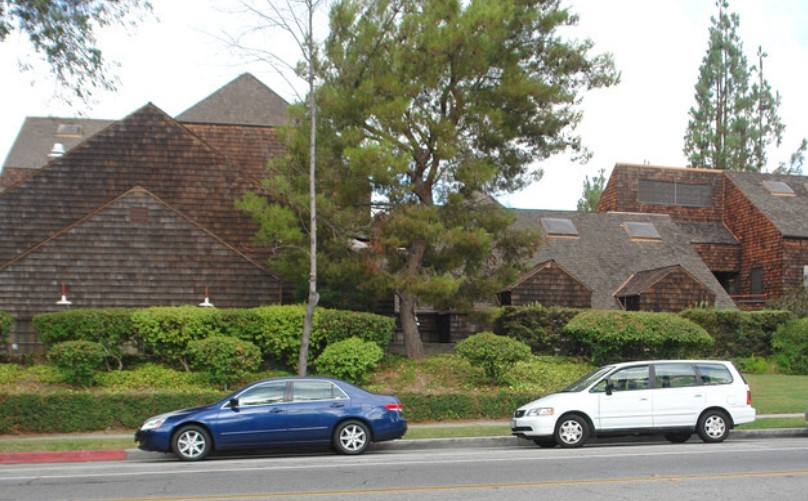
Tao Chiropractic is conveniently located at 200 E Del Mar Blvd, Suite 123, Pasadena, CA 91105.
We serve patients from Pasadena, South Pasadena, San Marino, Altadena, Glendale, Burbank, Arcadia, Alhambra, Eagle Rock, La Cañada Flintridge, Sierra Madre, San Gabriel.