Back Pain Relief
Sitting, sleeping and lifting again without bracing for back pain
Last updated: November 22, 2026 Reviewed by Gary Tao, DC
If sitting, sleeping or lifting means bracing for back pain, we aim to ease it by freeing stuck joints in your lower back and pelvis. With those joints moving again, the stiffness can ease too, and bending, walking and the rest of your day can feel easier. At Tao Chiropractic in Pasadena, your first visit includes an exam and, for most new patients, X-rays of your full spine, taken right in our office. We go over the X-rays with you so you can see what is stuck or showing wear. The adjustment itself is spinal manipulation, a quick push into a stiff joint, or a lighter technique if a firm push is too much for you. We treat acute and chronic low back pain, whether it started last week or has lasted for years.

Who You'll See
-

Gary Tao, DC
Chiropractor who makes the adjustment the focus of every visit, with full-spine X-rays taken right in the office
- Chiropractic degree
- Doctor of Chiropractic, Life Chiropractic College West
- Undergraduate
- B.A., Economics, University of California, Los Angeles
Overview
A lower back that is stiff, sore or in spasm, or that locks up as you bend over the sink or climb out of the car, is what we treat here. Pain like that can come from joints in the low back or pelvis that are not moving well, from posture strain, or from irritation in the area. Low back pain causes more disability around the world than any other condition, and about 13% of U.S. adults live with chronic low back pain, meaning pain that has lasted 12 weeks or more.
The goal of each adjustment is to free up those joints so they move again. With a recent bout of back pain, people who had spinal manipulation tended to have less pain and move more easily for up to 6 weeks. Most new episodes of low back pain improve within weeks, so with a fresh flare-up the work is easing the pain and keeping you active while your back settles.
If the pain runs below your knee, or comes with numbness or weakness in the leg, those signs point toward sciatica from an irritated nerve root, and we check for it and plan your care around it.

What to Expect During Treatment
- We begin your first visit by talking through what you’re experiencing and your goals. Then we ask about the back pain itself: when it began, what sets it off or eases it. We also ask about any leg pain, numbness, bladder or bowel changes, fever, weight loss, or past cancer.
- Next, we examine your spine, using orthopedic and neurological tests. We look at your posture, how your lower back moves, and which areas are tender or tight. We also check nerve function in your legs: strength, reflexes, and sensation.
- Low back pain guidelines do not call for an X-ray or MRI as routine and reserve imaging for when the result is likely to change care, such as when a specific cause is suspected.
- That guidance is about whether a scan is needed to diagnose your pain. Our full-spine X-rays, taken at most new patients' first visit right here in the office, do another job: finding the joints that are stuck. The reason we take x-rays is because your health is too important for us to guess with. When Dr. Tao takes x-rays, he will see exactly where the stress is in your spine, so that he can properly address it. Anyone who is pregnant, and any small child, is examined without X-ray imaging.
- We walk you through what we found and the plan we suggest: which techniques, how often you would come in, and how we will check your progress. You can ask questions before treatment begins.
- To adjust your back, Dr. Tao gives a quick, controlled thrust to a joint of the lower back or pelvis while you lie on a padded treatment table, usually face down.
- The adjustment is the focus of each treatment visit.
- At later visits we recheck the movement and pain in your lower back. If the pain is easing, visits can be spread out; if it is not improving as expected, we change the plan. Some people feel changes quickly, while others improve gradually over a series of visits.
- If warning signs appear at any stage, such as new leg weakness or bladder or bowel changes, manipulation stops and medical evaluation is arranged.
Risks
When to avoid
- Warning signs of cauda equina syndrome (pressure on the nerves at the base of the spine), such as new loss of bladder or bowel control or numbness in the groin or saddle area
- Severe or progressive loss of nerve function (neurologic deficit), such as new or worsening leg weakness
- A suspected or confirmed spinal fracture
- Cancer involving the spine
- Infection of the spine
- Severe osteoporosis (badly thinned, fragile bones)
- Spinal instability, where the bones of the spine shift more than they should
- Recent spinal surgery
Possible risks
- Temporary soreness, stiffness, or increased pain in the lower back
- Headache or tiredness (fatigue) after treatment
- Lumbar disc herniation, where a disc in the lower back pushes out of place (rare)
- Cauda equina syndrome, compression of the nerve roots at the base of the spine (rare)
- Vertebral fracture, a break in one of the bones of the spine (rare)
- Hematoma, a collection of blood near the spine (rare)
Who needs extra care
- Blood-thinning medication or a bleeding disorder, where low-force techniques may be chosen over fast, high-velocity thrusts
- Previous surgery on the lower (lumbar) spine that has healed, where technique near the operated level may need to change
- Pregnancy, where positioning and technique are adapted and the plan is discussed with the prenatal care provider
When It's Recommended
- Low back pain you've had for up to about 6 weeks, with no pain or numbness running down your leg (acute low back pain)
- Low back pain that has hung on for about 6 to 12 weeks (subacute low back pain)
- Low back pain you've had for 12 weeks or longer (chronic low back pain)
- A stiff lower back, or muscle spasm there, that makes it hard to bend, sit or lift
- Back pain that keeps flaring up again (recurring mechanical low back pain)
How It Works
The adjustment itself is spinal manipulation: a quick, controlled thrust into a joint of your lower back or pelvis that moves it a little past where it moves on its own. It is common to hear a pop or crack as that happens, and the sound is gas leaving the joint. Each adjustment aims to ease pain and help a stiff joint move through more of its range.
- When a joint or body part is injured, the surrounding muscles will tighten up to protect it, so muscle tightness is a symptom or response to an injury. Think of it as a splint your body puts on by itself. When spinal joints move better, muscles often relax, irritation can settle, and holding good posture gets easier.
- We examine you first, then pick the technique that fits your body, anywhere from a firm, traditional adjustment to a lighter, subtler one, based on what’s appropriate and comfortable for you. Mobilization, which moves those same joints through their range without a thrust, is another hands-on option used for back pain.
- We focus on helping your body calm the irritation, so bending, sitting and lifting can become easier. The first visits work on easing the pain, and later visits aim to keep those joints moving over the long term. With degenerative disc disease, meaning the discs that cushion your vertebrae have worn down over time, we focus on helping you move and feel more comfortable, and the plan depends on your exam findings and how your body responds.
- Back pain guidelines put exercise, staying active and knowing how to manage your back pain at home at the center of care, and adjustments are usually one part of that.
Recovery & Aftercare
- Mild soreness, stiffness or tiredness after an adjustment is common, a bit like how you feel after a workout, and it usually eases within 24 hours.
- At home, you can use heat or cold to take the edge off short-term soreness after a visit.
- Staying active and keeping up your normal activities as far as pain allows is generally encouraged while your back recovers.
- If this is a new bout of low back pain, most people improve or recover within 4 to 6 weeks, often sooner.
- Seek urgent medical care if you develop new leg weakness, numbness around the groin or buttocks, or loss of bladder or bowel control.
Frequently Asked Questions
What is chiropractic care for back pain?
Does a chiropractic adjustment for back pain hurt?
Is chiropractic treatment safe?
How many visits will I need?
What happens during a chiropractic visit for low back pain?
Who should not have spinal manipulation for back pain?
Can chiropractic help chronic back pain?
Does chiropractic care really help back pain?
What if my back pain started after an accident or a sports strain?
Visit Our Pasadena Office
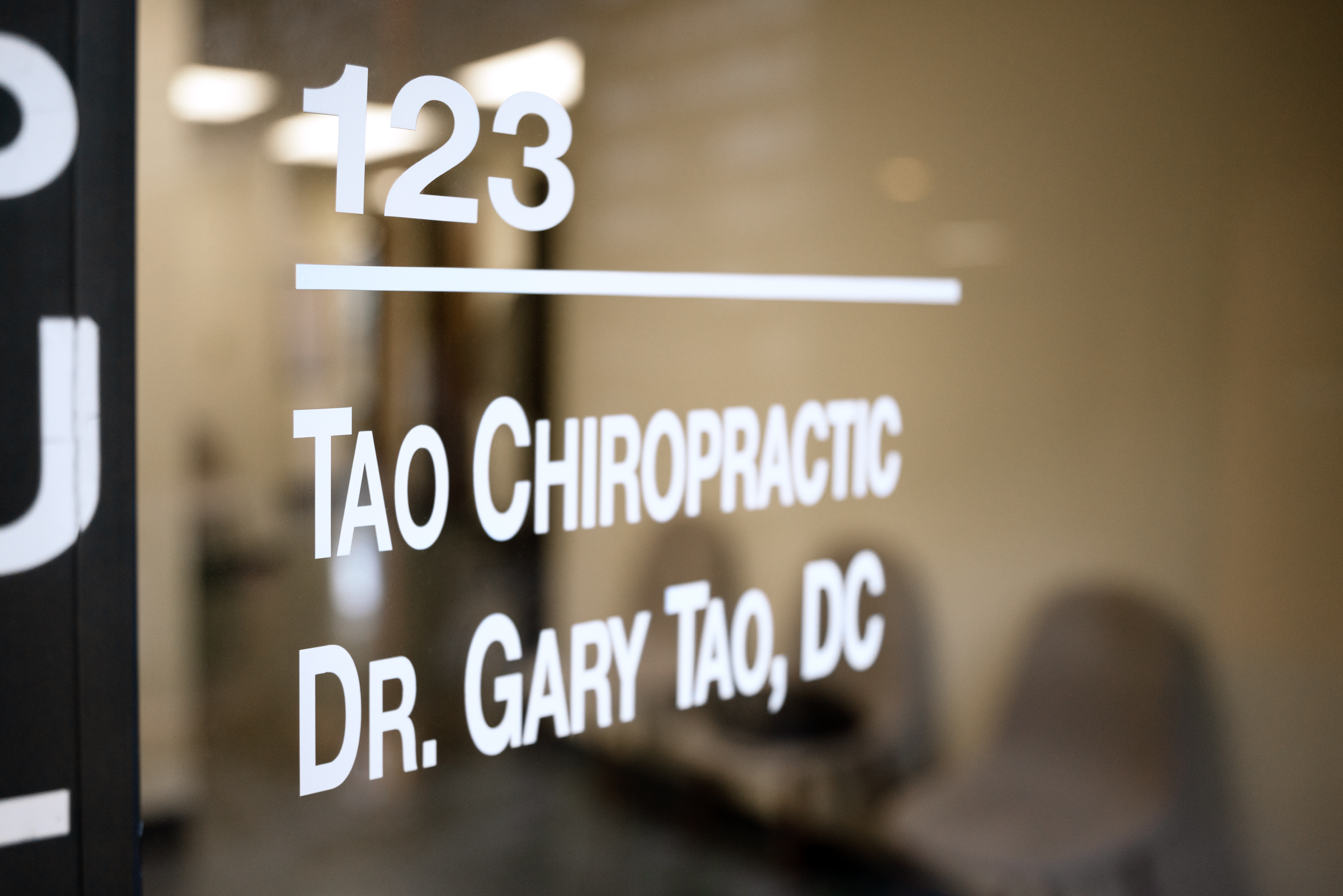
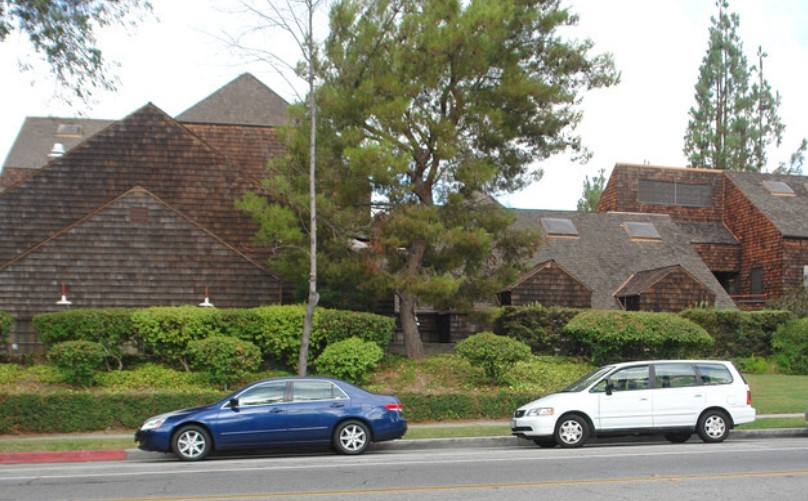
Tao Chiropractic is conveniently located at 200 E Del Mar Blvd, Suite 123, Pasadena, CA 91105.
We serve patients from Pasadena, South Pasadena, San Marino, Altadena, Glendale, Burbank, Arcadia, Alhambra, Eagle Rock, La Cañada Flintridge, Sierra Madre, San Gabriel.