Sports Chiropractor
For getting back to the activity you love, or lifting your grandkids
Last updated: November 21, 2026 Reviewed by Gary Tao, DC
Maybe a strained back, a sore knee or a rolled ankle is keeping you from a hobby or activity you love, or from lifting and playing with your grandkids. Dr. Tao's aim is to ease that pain and get you moving again after common sports strains and sprains. The chiropractic adjustment, a quick, controlled thrust to a joint, is what he specializes in and what each treatment visit centers on. He gives most adjustments by hand, and uses a lighter technique when a sprain or strain calls for one. Before any adjustment, a health history and an examination at our Pasadena office check for injuries needing medical evaluation first, such as a suspected fracture, a dislocated joint, a complete ligament or tendon tear, or a concussion. For most new patients, the first visit also includes full-spine X-rays in our office, which show which segments of the spine are affected. At follow-up visits we check how your pain and movement are coming along, and change the plan if the injury is not improving.

Who You'll See
-

Gary Tao, DC
Chiropractor who makes the adjustment the focus of every visit, with full-spine X-rays taken right in the office
- Chiropractic degree
- Doctor of Chiropractic, Life Chiropractic College West
- Undergraduate
- B.A., Economics, University of California, Los Angeles

Overview
Strains and sprains are among the most common sports injuries, and easing the pain and stiffness they leave is what chiropractic care for sports injuries is for. A sprain stretches or tears a ligament, and a strain injures a muscle or tendon. Ankles, knees and wrists are the joints that sprain most easily, strains often hit the back, neck or hamstring, and the shoulder is prone to rotator cuff injuries and impingement, where a tendon gets pinched as you lift your arm. When a joint or body part is injured, the muscles around it tighten up to protect it, so muscle tightness is your body's response to the injury.
The adjustment is aimed at helping an injured or stiff joint move and work better. For low back pain that is new or a few weeks old, the American College of Physicians lists spinal manipulation among the first non-drug treatments to choose, and for a new bout it can ease pain and help function for up to six weeks. Spinal manipulation can also ease neck pain of 2 to 12 weeks, both soon after treatment and over the longer term.
What to Expect During Treatment
- At your first visit we start with a consultation and a health history covering how and when the injury happened, your sport and training, earlier injuries, other conditions such as osteoporosis, and your medicines, including blood thinners
- Dr. Tao does a spinal exam with orthopedic and neurological testing, and examines the injured area itself: how it moves and where it is painful or swollen
- We also check for anything that needs medical care first, such as a suspected fracture, a dislocated joint, being unable to put any weight on the area, a complete ligament or tendon tear, or signs of a concussion
- Imaging of the injured area itself, whether X-rays, a CT scan or an MRI, comes in only when the history or examination calls for it
- Separate from any imaging of the injury, we take X-rays of your full spine here in our office at your first visit. On the films we look for which segments of your spine are affected and roughly how long each problem has been there. Pregnant patients and small children are not X-rayed
- We talk you through the exam and X-ray findings and the care plan we propose. We also explain what an adjustment involves and its possible side effects, and we start treatment once you agree to it
- For the spine you often lie face down on a padded treatment table whose sections lift slightly to help target the area
- The treatment itself is manipulation or mobilization of the injured joint and the nearby joints that move with it, applied by hand or with a small instrument, and it sometimes comes with a popping sound
- At each follow-up visit we see how your pain, movement, and function are coming along. If the injury is not improving, we change the plan or talk with you about other care
Risks
When to avoid
- A suspected fracture, until a medical evaluation has ruled one out
- A dislocated joint, or a bone or joint that is visibly out of place
- A suspected complete tear of a ligament, muscle, or tendon, or an unstable joint, until it has been medically evaluated
- A suspected concussion, until a healthcare provider has assessed it and cleared a return to activity
- Sudden or progressing loss of nerve function (neurologic deficit), such as new weakness or numbness
- Bone tumors, whether they start in the bone or spread there from elsewhere (primary or metastatic)
- Bone infection (osteomyelitis)
- Severe osteoporosis (badly thinned, fragile bones)
- Unstable bleeding disorders, including high-dose blood thinners (anticoagulant therapy)
- Unstable aortic aneurysm (a weak, bulging section of the body's main artery)
- Rheumatoid arthritis in an active systemic stage, or acute inflammation in the joint to be treated
Possible risks
- Temporary soreness, stiffness, or increased pain in the treated area, usually settling within 24 hours
- Headache or tiredness after treatment
- Minor, short-lived side effects such as increased pain, muscle stiffness, and headache, which are common after spinal manipulation (reported 50% to 67% of the time)
- Worsening of a herniated disk, or compression of the nerves in the lower spinal canal (cauda equina syndrome), after manipulation of the lower back (rare)
- Stroke involving the arteries of the neck after neck manipulation (very rare); whether manipulation causes the artery tears behind these strokes is debated
- Serious complications overall (rare), with published estimates ranging widely, from 1 per 2 million manipulations to 13 per 10,000 patients
Who needs extra care
- Osteoporosis that is not severe, a stable chronic bleeding or clotting disorder, long-term use of blood thinners (anticoagulants), or an aortic aneurysm (a bulge in the body's main artery), which have been linked to a higher likelihood of injury after chiropractic care in older patients and are taken into account when choosing techniques
- Pregnancy, in which the potential risks and benefits of spinal manipulation are discussed before treatment
When It's Recommended
- A strained or sprained back or neck, including recent low back pain or neck pain (acute or subacute)
- Shoulder pain from an irritated or worn rotator cuff (rotator cuff tendinopathy) and other common rotator cuff and soft tissue problems in the shoulder
- Pain around the kneecap (patellofemoral pain syndrome)
- A mild to moderate ankle sprain (grade 1 or 2), including a rolled ankle (inversion sprain) and problems that linger after earlier sprains
How It Works
For an injured joint, manipulation is one fast, controlled push, by hand or with a small instrument, that carries the joint just past the point it reaches on its own. Its purpose is to improve joint motion and function.
- Mobilization, which the patient can control, moves a joint slowly through its natural range of motion with no thrust.
- Adjustments are not limited to the spine and can be applied to the shoulders, elbows, wrists, hips, knees, and ankles. For shoulder problems, hands-on treatment can be aimed at the shoulder joint itself, the shoulder girdle (the collarbone and shoulder blade), or the full kinetic chain, meaning the linked joints that move with the shoulder.
- Gases in a joint, such as oxygen, nitrogen, and carbon dioxide, can be released when it is adjusted. That release is the pop or crack you may hear, much the same sound a knuckle makes when you crack it.
- In people with long-standing (chronic) ankle sprains, joint mobilization improved dynamic balance, the balance you keep while moving, right after treatment. For a short time afterward, it also let the foot bend further up toward the shin while standing on it (weight-bearing dorsiflexion).
- Manual therapy is often combined with exercise. After a rolled-ankle (inversion) sprain, manual therapy given together with exercise can improve pain and function, with the gains seen at 4 weeks and still there at 6 months. In rotator cuff tendinopathy, an irritated or worn rotator cuff tendon in the shoulder, manual therapy added to an exercise program can lower pain.
- From the first exam of your injury to each follow-up visit, the person treating you is Dr. Tao, who sees every patient himself.
Recovery & Aftercare
- Mild soreness, stiffness, tiredness or a headache can follow a visit and usually settles within 24 hours
- For a minor injury, rest, ice, compression and elevation at home can ease it in its first days
- Try not to work through the pain of an injury, whether it happened all at once or built up from overuse
- A rehabilitation program that includes exercise can help you return to your previous level of activity and reduce the chance of reinjury
- Contact a healthcare provider promptly if you notice severe pain, swelling, or bruising, pain and swelling that do not go away after a few days, being unable to put any weight on the area, or an obvious deformity
- Most acute fractures need an immediate visit to a health care provider, a dislocated joint typically needs immediate medical treatment, and a complete ligament tear can leave a joint significantly unstable and may need surgical repair
- An athlete with a suspected concussion is removed from play right away and kept out until a healthcare provider has assessed the injury and cleared a return, and concussion danger signs call for the emergency department right away
Frequently Asked Questions
What is chiropractic care for sports injuries?
Does a chiropractic adjustment for a sports injury hurt?
Is chiropractic care safe for sports injuries?
Can chiropractic care help a shoulder, knee, or ankle injury?
How many chiropractic visits does a sports injury usually take?
What happens during a chiropractic visit for a sports injury?
Who should not get chiropractic treatment for a sports injury?
Visit Our Pasadena Office
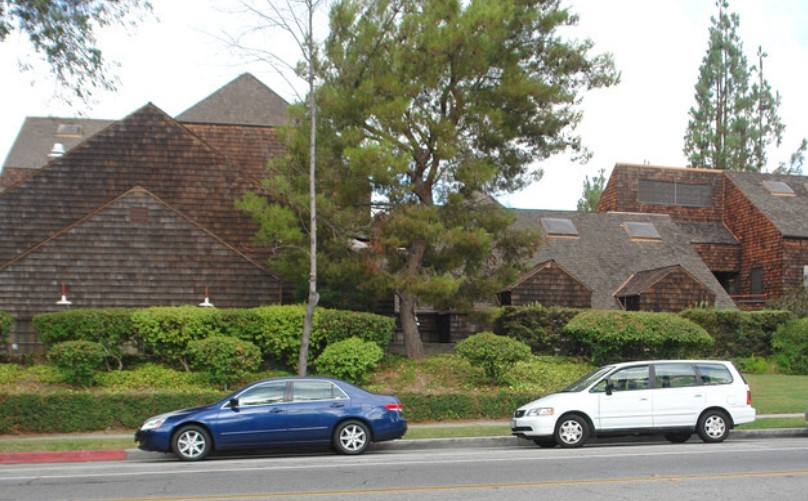
Tao Chiropractic is conveniently located at 200 E Del Mar Blvd, Suite 123, Pasadena, CA 91105.
We serve patients from Pasadena, South Pasadena, San Marino, Altadena, Glendale, Burbank, Arcadia, Alhambra, Eagle Rock, La Cañada Flintridge, Sierra Madre, San Gabriel.