Whiplash and Car Accident Injury Treatment
Work toward a neck that turns without hurting after a crash
Last updated: November 22, 2026 Reviewed by Gary Tao, DC
After a car accident, you may want a neck that stops hurting and turns freely again, whether the crash was recent or years ago. Dr. Tao works toward that with the chiropractic adjustment to the neck and upper back, aiming to ease the pain and stiffness whiplash leaves and help your neck move again. He is the one you see at every visit to our Pasadena office. Care starts with screening for injuries that need emergency care or imaging first, such as a broken bone in the neck, a head injury, or damage to the nerves or spinal cord. At the first visit, most new patients also have full-spine X-rays taken in the office, and we go over the exam and X-ray findings together before he recommends a care plan.

Who You'll See
-

Gary Tao, DC
Chiropractor who makes the adjustment the focus of every visit, with full-spine X-rays taken right in the office
- Chiropractic degree
- Doctor of Chiropractic, Life Chiropractic College West
- Undergraduate
- B.A., Economics, University of California, Los Angeles
Overview
Whiplash happens when a crash throws your head backward and then forward, most often when you are hit from behind (a rear-end collision), and we build our care after a car accident around it. It is the most common kind of neck sprain: the neck speeds up and stops short, and that strains its soft tissues. The symptoms that follow are called whiplash-associated disorders: a stiff, tender neck, pain that can spread to your head, shoulders or shoulder blades, muscle spasms, headaches, dizziness, and numbness or tingling in the neck, shoulders or upper arms. Some start right after the crash, and others take 12 hours or more, or a few days, to show up.
When the neck is hurt like this, the muscles around the injured joints tighten up to protect them, so that tightness is a response to the injury. Our aim is to free the stuck joints in your neck and upper back with the chiropractic adjustment and to ease the pain and stiffness. Chiropractic care may improve both how far your neck turns and how much it hurts after whiplash. Many people improve in the first three months after a crash, while for others the neck pain lasts for years, and we treat new crash injuries as well as old ones.
What to Expect During Treatment
- We start with a consultation about the collision and your symptoms. We ask how the crash happened, whether you hit your head or lost consciousness, and when the neck pain began. We also ask about any headache, dizziness or arm symptoms, past neck problems, and your health conditions and medications
- We screen for signs that call for emergency care or imaging first, using the Canadian C-spine rule (a standard set of questions and checks that helps decide whether a neck injury needs imaging) and checks for a head injury, a spinal cord injury and a problem with the arteries in your neck
- We do a spinal exam, with orthopedic and neurological tests of how your neck moves, where it is tender, and the reflexes, strength and sensation in your arms. That places the injury on the whiplash grading scale
- An X-ray, CT scan or MRI to rule out other injuries is needed only when the examination or the decision rule (the Canadian C-spine rule) calls for it
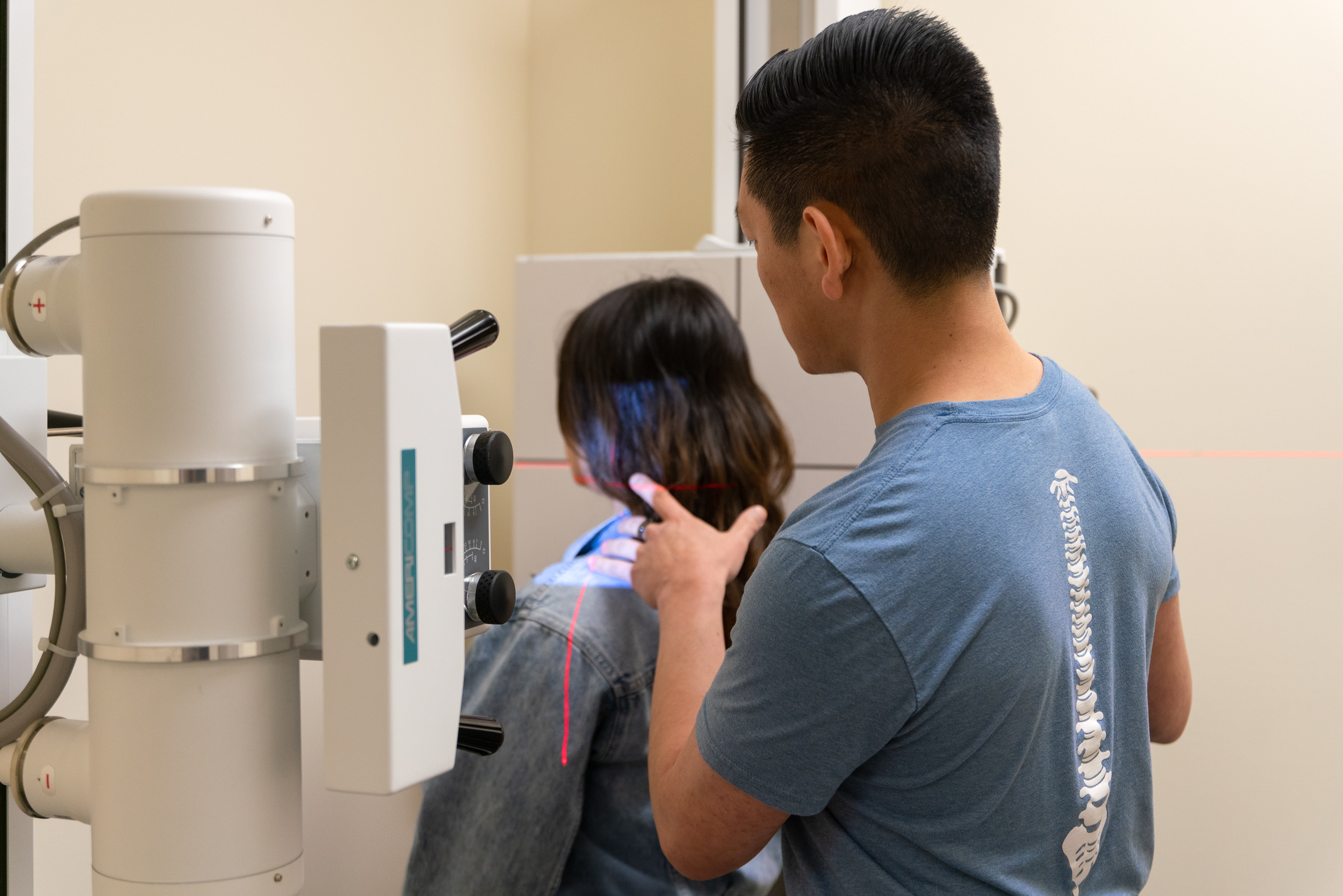
- Full spine x-rays will allow us to clearly determine a proper care plan. X-rays provide us with an objective diagnostic tool that will show us the position of the bones, quality of the spine, and safety of treatment. We can also determine how long a spinal condition has been developing. We take them at your first visit, right here in our office, for most new patients, though never for pregnant patients or small children. They are part of our own exam, used to see which joints are stuck, which is a different question from whether the crash itself needs imaging to rule out a broken bone or other injury
- We go over the exam and X-ray findings with you and explain the usual course of whiplash, including why staying active and keeping the neck moving matter
- We talk through the treatment options with you, including the difference between manipulation and mobilization and the rare association between neck manipulation and cervical artery dissection (a tear in the wall of an artery in the neck), and then recommend a care plan
- Then you lie on a treatment table for hands-on treatment: the chiropractic adjustment (manipulation) of the neck or upper back, or a lighter technique
- At each visit we recheck your pain, movement and any new symptoms and adjust the plan. If symptoms worsen or new ones appear, we arrange a medical evaluation
Risks
When to avoid
- A suspected fracture or dislocation of the neck (the most severe grade of whiplash injury)
- Signs of a spinal cord injury, such as numbness or tingling spreading down an arm or leg, weakness, difficulty walking, or loss of bladder or bowel control
- After a recent crash, a finding on the Canadian C-spine rule (a standard set of questions and checks for neck injuries) that calls for neck imaging – age 65 or older, a dangerous mechanism of injury, tingling in the arms or legs, no low-risk feature (such as a simple rear-end collision or neck pain that began later), or inability to turn the head 45 degrees to each side – until imaging has ruled out a fracture
- Rapidly worsening weakness or numbness, or another progressive neurological deficit (a nerve problem that keeps getting worse)
- Signs of a serious head injury, such as loss of consciousness even briefly, marked sleepiness, confusion or speech that does not make sense, a severe headache, a seizure, repeated vomiting, or pupils of unequal size
- Symptoms suggesting a tear in a neck artery or a stroke, such as a sudden severe headache, double vision, dizziness or loss of balance, trouble speaking, fainting, or numbness or weakness on one side of the body
Possible risks
- Temporary increase in pain or discomfort, stiffness or headache after manipulation or mobilization, which usually goes away within 24 hours
- Tiredness or soreness in the treated area
- Herniated disk, a slipped disk where its soft center pushes out through the outer layer (rare)
- A tear in an artery wall in the neck (cervical artery dissection) that can lead to stroke, which has been associated with neck manipulation (rare; whether manipulation causes it is debated)
- Other serious problems of the spine or nerves (spinal or neurological problems, very rare)
Who needs extra care
- A recent crash, since sudden neck movements such as whiplash may increase the risk of a tear in a neck artery, so screening for the warning signs of that tear (cervical artery dissection) comes before manipulation of the neck
- An existing health condition or medication that may increase the risks of manipulation or mobilization, which is reviewed before treatment
- Nerve-related signs from the injury, such as reduced reflexes, weakness or loss of sensation in an arm (whiplash-associated disorder grade III), where care follows a medical and neurological evaluation, multimodal care (hands-on treatment combined with exercise and advice) is suggested for recent grade III injuries, and signs that persist past three months call for medical investigation
- Ankylosing spondylitis or another inflammatory or rheumatologic (joint and immune system) condition, or Down syndrome, which raise the risk of neck injury from even mild trauma, so the need for imaging is weighed before treatment
When It's Recommended
- Neck pain, stiffness or tenderness after a car accident, with or without lost movement and sore spots (the milder whiplash-associated disorders, with no nerve signs), once screening has ruled out a broken bone or other serious injury
- Neck pain from a car accident that spreads into the head, shoulders or shoulder blades
- Neck pain and stiffness that hang on for months or years after a crash (persistent or chronic whiplash-associated disorders)
- Whiplash-type neck pain from other sudden back-and-forth jolts of the head, such as a fall or a contact sport
How It Works
For a neck hurt in a crash, two of the hands-on treatments are manipulation and mobilization. Manipulation, the adjustment, is a fast, short push into a single joint of your neck or upper back, given by hand or using a small device. Mobilization moves that joint slowly through its natural range, with no thrust, and you can control it. Both, along with other hands-on therapies, appear to help with neck pain, including after a traffic injury.
- We adjust the upper back as well as the neck, and for recent neck pain, manipulation of the upper back (the thoracic spine) can help in the short term.
- Whiplash is graded from I to IV, and knowing yours is part of learning about the injury. Grade I is neck pain, stiffness or tenderness alone. Grade II adds lost movement and tender spots. Grade III adds nerve signs such as weaker reflexes, arm weakness or loss of feeling. Grade IV is a broken bone or dislocation, and it needs emergency care first. Grades I to III are usually not serious, and they tend to settle on their own over time.
- In whiplash care, the usual advice after a recent injury is to stay active and carry on as usual, with home exercises that move the neck slowly and often. Exercise and moving the neck yourself appear to help a recent injury recover, and neck movements repeated often have eased pain more than rest, a soft collar and a slow return to movement. A soft collar does not help and may slow recovery.
- Hands-on treatment goes together with exercise and with learning about your injury, and that mix may help people with whiplash whether their symptoms are new or long-lasting. In the first three months, the options are learning about the injury with range-of-motion exercises, with or without manipulation or mobilization. After three months, strengthening exercises are added, or exercise is paired with manipulation or mobilization. For whiplash that has lasted a long time without nerve signs (grades I and II), the usual suggestion is supervised exercise, done with a clinician guiding you, plus advice on managing day to day.
Recovery & Aftercare
- You may feel some soreness, stiffness or a headache after a visit, and it usually goes away within 24 hours
- Between visits, stay active and keep your neck moving, because that is part of recovery
- If your neck hurts after a traffic injury, a soft neck brace (cervical collar) is not advised
- The first three months after a whiplash injury are when recovery tends to come, and many people improve in that time. A year on, about half still have some neck pain
- Recovery tends to be poorer when the pain is high early on and gets in the way of everyday life, when there are symptoms of posttraumatic stress, or when you expect the worst from the pain (pain catastrophizing)
- If you notice weakness, numbness or worsening pain after treatment, contact a healthcare provider right away for an evaluation
- If you develop a sudden severe headache, trouble seeing or speaking, dizziness or loss of balance, or numbness or weakness on one side of the body, call 911 right away
Frequently Asked Questions
What is chiropractic care for whiplash and car accident injuries?
When does a car accident injury need emergency care or imaging first?
Does chiropractic treatment for whiplash hurt?
Is chiropractic care safe after a car accident?
How many chiropractic visits are needed for whiplash?
Can chiropractic care help an old car accident injury?
Who should not have chiropractic care after a car accident?
Can X-rays show an old car accident injury?
Visit Our Pasadena Office
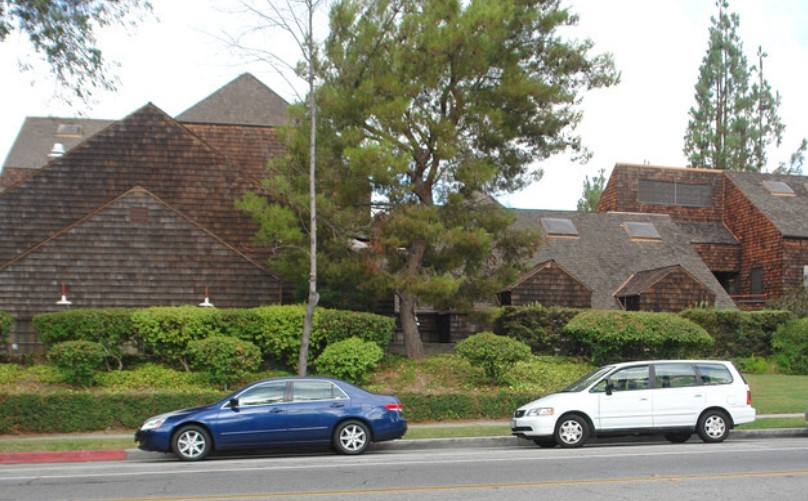
Tao Chiropractic is conveniently located at 200 E Del Mar Blvd, Suite 123, Pasadena, CA 91105.
We serve patients from Pasadena, South Pasadena, San Marino, Altadena, Glendale, Burbank, Arcadia, Alhambra, Eagle Rock, La Cañada Flintridge, Sierra Madre, San Gabriel.