
Chiropractic Support for Allergies and Sinus Issues
Work toward a clearer head in allergy season with chiropractic adjustments
Last updated: November 23, 2026 Reviewed by Gary Tao, DC
When allergies or sinus pressure flare, our goal is to help you feel clearer and less worn out. Dr. Tao adjusts the joints in your neck and upper back that aren't moving well, with the aim of making allergy season easier on you. It's hands-on and drug-free. It goes alongside your usual allergy and sinus care, such as avoiding known allergens and using nasal steroid sprays, antihistamines and saline rinses. We focus on how your spine lines up and on easing the physical strain that may be adding to long-running sinus and allergy discomfort. At your first visit we take a health history and examine you, checking for signs of a serious sinus infection and for anything that rules out neck manipulation. Most new patients also have their whole spine X-rayed right in our Pasadena office. We go over the films with you so you can see what your neck and upper back look like.
Who You'll See
-

Gary Tao, DC
Chiropractor who makes the adjustment the focus of every visit, with full-spine X-rays taken right in the office
- Chiropractic degree
- Doctor of Chiropractic, Life Chiropractic College West
- Undergraduate
- B.A., Economics, University of California, Los Angeles
Overview
When hay fever (allergic rhinitis) or sinus pressure is the problem, we use hands-on care on the joints of your neck and upper back. With hay fever, your body has an allergic reaction to something in the air, like pollen, mold spores, pet dander or dust mites, and releases histamine that inflames the lining of your nose, eyes and throat. You sneeze, your nose gets stuffy or runny, your eyes itch and water, and it can also bring on headaches, sinus pressure and tiredness. Between 15% and 30% of people in the United States have hay fever. Allergies can also make the openings of your sinuses swell and block up, which can cause pressure and plays a part in sinusitis, where the lining inside your sinuses swells.
On your X-rays we can see the position of the bones in your neck and upper back, the condition of your spine, whether an adjustment is safe for you, and roughly how long a problem there has been developing. Beyond the films, the exam looks at your alignment, posture, stress and how your nerves are working. The adjustment is a quick, controlled push to the joints there that have stopped moving well, aimed at helping them move freely again.
We work alongside your medical allergy care. Nasal steroid sprays are the first treatment for hay fever: in 2015 the American Academy of Otolaryngology–Head and Neck Surgery strongly recommended them when symptoms affect your quality of life, along with the newer (second-generation) antihistamine pills when sneezing and itching are the main trouble. Allergy testing and allergy shots or tablets under the tongue (immunotherapy) are part of that care too, and saline rinses may ease hay fever symptoms in adults and children. Some people with sinus and allergy trouble, chronic rhinosinusitis (long-lasting swelling of the nose and sinus lining) included, also try complementary care such as diet changes, herbal remedies, exercise and chiropractic.
What to Expect During Treatment
- We start with a health history covering your allergy and sinus symptoms, when they started, what makes them worse, seasonal patterns and known triggers, past sinus infections, and the medicines you use, including blood thinners. Bring any relevant health history details with you
- We ask about other conditions that affect which techniques are safe, such as osteoporosis, rheumatoid arthritis, a bleeding disorder, or past neck or spine surgery
- We screen for signs that call for medical care first, such as a high fever, vision changes or swelling around the eyes, a sudden or unusually severe headache, confusion, or a stiff neck
- Your spinal exam includes orthopedic and neurological tests, which check how your joints move and how your nerves are working. It covers your posture, how your neck, upper back, and shoulders move, and where their muscles are tense
- At your first visit, before any treatment, we take full-spine X-rays right here in the office and look over your neck and upper back for any segment that is locked up or showing wear. We do not X-ray pregnant patients or small children
- Dr. Tao talks you through the exam and X-ray findings, along with the treatment options, including no treatment, their benefits and risks, and the rare link between neck manipulation and cervical artery dissection, a tear in the wall of an artery in the neck. He recommends a care plan, and treatment starts with your consent
- You lie on a treatment table, often face down, with sections that lift slightly higher than the rest
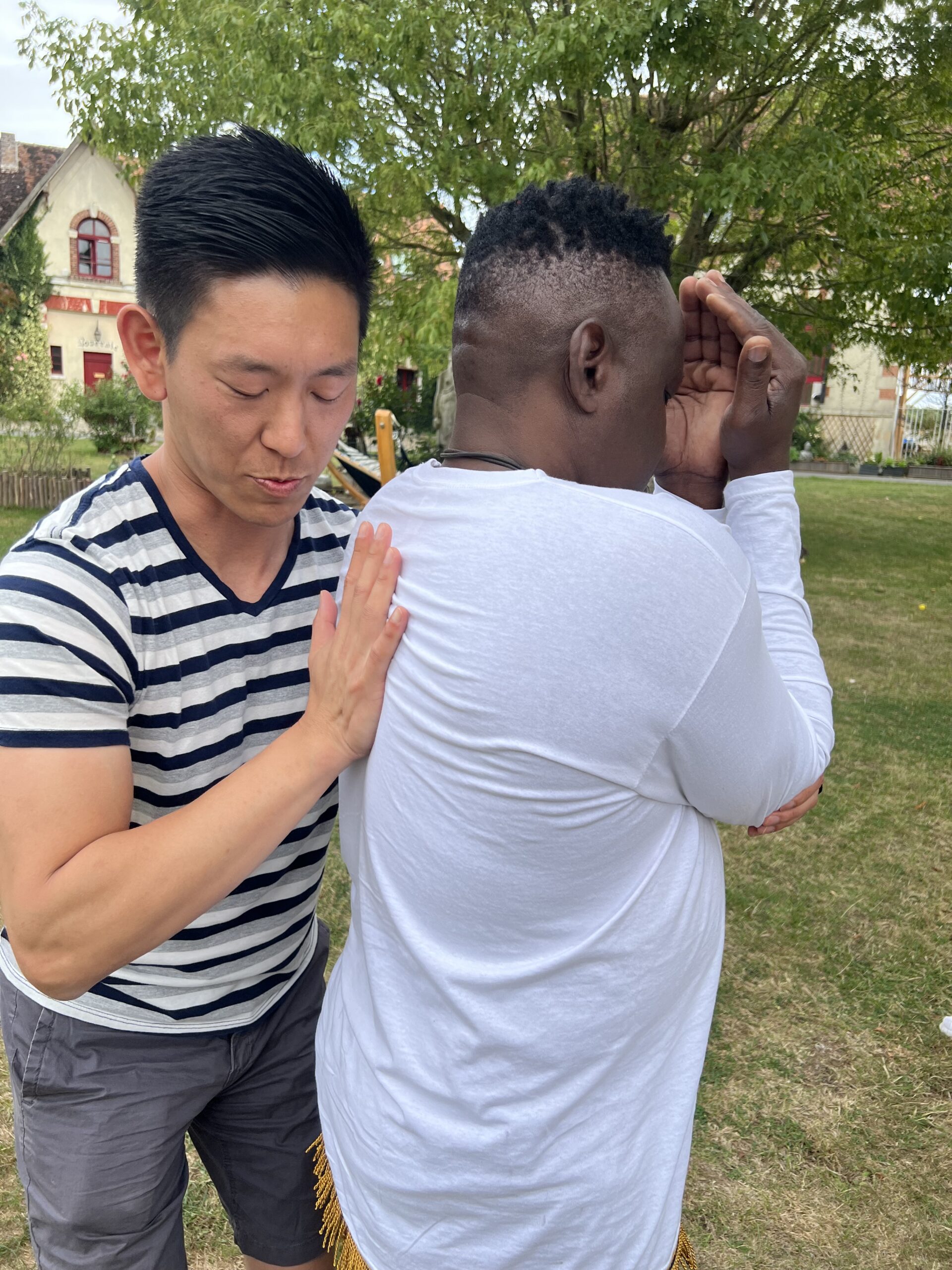
- Every treatment visit centers on the chiropractic adjustment: a quick push to a stiff joint in your neck or upper back, or a lighter technique when that suits you better. For sinus pressure and congestion, that can include upper cervical adjustments at the very top of your neck
- At follow-up visits we recheck your neck's movement, your pain, and any changes in how your nerves are working, such as tingling or numbness, and your care changes as you progress. If your symptoms call for it, we refer you for a medical, allergy, or ear, nose, and throat (ENT) evaluation
Risks
When to avoid
- A bone tumor, whether it started in the bone or spread there (primary or metastatic), a spinal cord tumor, or a bone infection in the spine such as osteomyelitis
- Severe osteoporosis (badly thinned bones)
- A recent fracture, dislocation, or torn ligament (ligament rupture) in the spine, or a spine that is unstable (instability)
- Rheumatoid arthritis that is active throughout the body (an active systemic stage), or that causes acute inflammation or instability at the top of the neck (atlantoaxial instability)
- Spinal cord compression (myelopathy), or a sudden or progressive loss of nerve function, such as worsening weakness or numbness
- An unstable bleeding disorder, including high-dose blood thinners (anticoagulant therapy)
- An unstable aortic aneurysm, a weak, bulging spot in the body's main artery
- Recent surgery on the neck or spine
- A previous diagnosis of vertebrobasilar insufficiency (poor blood flow through the arteries at the back of the neck) or another abnormality of the arteries in the neck
- Symptoms that can signal a torn neck artery or a stroke, such as a sudden severe headache unlike any before, changes in sight or speech (visual or speech disturbances), double vision, dizziness, numbness of the face, trouble swallowing, or drop attacks (sudden falls), until medically evaluated
- Signs of a serious sinus infection, such as a fever over 103 °F (39.4 °C), vision changes or swelling around the eyes, confusion, a stiff neck, or a seizure, which call for emergency medical care
Possible risks
- Temporary soreness, stiffness, or increased pain in the neck or upper back, usually settling within 24 hours
- Headache or tiredness after treatment
- Dizziness or tingling in the arms after neck treatment
- Worsening of a herniated disk (rare)
- Cervical artery dissection, a tear in the wall of an artery in the neck that can lead to stroke, which has been linked to neck manipulation (very rare; whether manipulation causes it is unclear)
- Spinal cord injury or a collapsed lung (pneumothorax) after a quick thrust to the upper back (thrust manipulation), in rare cases
- Compression fracture of a vertebra (a bone of the spine) weakened by osteoporosis (rare)
Who needs extra care
- Osteoporosis that is not severe, rheumatoid arthritis that is not active, ankylosing spondylitis (arthritis that stiffens the spine), or another connective tissue disease, which rule out a quick thrust to the neck (thrust manipulation), with mobilization or a lighter, instrument-assisted technique considered instead
- Blood-thinning medicine (anticoagulant therapy) or a stable bleeding disorder, which rule out a quick thrust to the neck and upper back (thrust manipulation), with lighter techniques considered instead
- Joints that move more than they should (hypermobile joints), a disc herniation (a slipped disc), or spondylolisthesis (a vertebra that has slipped forward), which are taken into account when choosing techniques
- A bad reaction to spinal manipulation in the past (a previous adverse reaction), which is taken into account when choosing techniques
- Children and teenagers who are still growing, in whom techniques are chosen with extra care
- Sinus symptoms that last more than 10 days without improving, get worse after first improving, or come with a fever lasting more than 3 to 4 days, a severe headache or facial pain, or repeated sinus infections in the past year, which call for medical evaluation alongside chiropractic care
- Allergy symptoms that are severe or that no longer respond to treatment, which call for a medical review of allergy treatment alongside chiropractic care
- Symptoms that do not change, or that worsen, after several treatments, which call for the plan to be reassessed
When It's Recommended
- Hay fever (allergic rhinitis) that flares up with the seasons or hangs on all year, on top of your medical allergy treatment
- Sinus pressure or a blocked-up nose linked to allergies (allergy-related congestion) alongside medical sinus evaluation and treatment
- Pain or pressure in your face from sinus trouble that has gone on a long time, along with your medical sinus care
- Stiffness or tight muscles in your neck and upper back that show up with your allergy or sinus symptoms
- Allergy or sinus symptoms in people who want a drug-free option next to their allergy medicines and other medical care
How It Works
We work on the movement and alignment of your neck and upper back, since those areas can influence circulation, nerve function and comfort around your sinuses. For some patients, care that includes the neck (the cervical spine) may support clearer breathing and ease the tightness and pressure that add to sinus discomfort.
- The adjustment (spinal manipulation) is usually given by hand, with the aim of getting a stuck joint in your spine moving and working better. You may hear a pop when it happens. That pop is gas escaping from the joint, a mix of oxygen, nitrogen and carbon dioxide.
- When a lighter technique suits you better, we can use a slow, small movement of the joint with no thrust behind it (mobilization), or instrument-assisted manipulation, where a small handheld instrument gives the push.
- Chronic rhinosinusitis is thought to start when mucus and other secretions don't drain well from your nose and sinuses, the way a sink backs up when its drain is slow. What keeps it going is thought to be mechanical, meaning physical problems in and around your sinuses, such as blocked drainage. The part of your nervous system that runs without you thinking about it (the autonomic nervous system) is thought to play a part too. One idea is that hands-on treatment (manual therapy) can help with both.
- Advice on posture, exercise, and daily habits can also play a part, alongside the allergen avoidance and treatment your allergist or doctor recommends.
Recovery & Aftercare
- Mild soreness, stiffness, tiredness or a headache can follow a visit, a bit like after a workout, and usually settles within 24 hours
- Allergy symptoms often follow the seasons, with pollen in spring, summer and early fall and pet dander or dust mites all year, so we judge how it is going across several visits
- Between visits you keep up your medical allergy and sinus treatment, such as nasal steroid sprays, antihistamines or saline rinses, as part of the bigger plan
- Call 911 right away if you notice sudden numbness or weakness on one side of the body, sudden trouble speaking, seeing, or walking, dizziness, or a sudden severe headache after a session
- Get in touch with a healthcare provider if your sinus symptoms go on for more than 10 days without getting better, start to improve and then worsen, or come with a fever that lasts more than 3 to 4 days
Frequently Asked Questions
What is chiropractic care for allergies and sinus issues?
Does chiropractic treatment for allergies or sinus pressure hurt?
Is chiropractic care safe for children and seniors?
How many sessions are needed for allergy relief?
What happens during a chiropractic visit for allergies or sinus pressure?
Who should not have chiropractic care for allergies or sinus issues?
When do allergy or sinus symptoms need a doctor?
Can chiropractic care really help with sinus issues?
Are there side effects from sinus or allergy adjustments?
Visit Our Pasadena Office
Tao Chiropractic is conveniently located at 200 E Del Mar Blvd, Suite 123, Pasadena, CA 91105.
We serve patients from Pasadena, South Pasadena, San Marino, Altadena, Glendale, Burbank, Arcadia, Alhambra, Eagle Rock, La Cañada Flintridge, Sierra Madre, San Gabriel.