Menstrual Cramp Treatment
For easing period cramps and the back pain that comes with them
Last updated: November 22, 2026 Reviewed by Gary Tao, DC
If cramps and lower back, hip and thigh pain knock you out of work, sleep or workouts every period, we aim to ease that pain. Dr. Tao's approach looks at how your spine, the nerves that leave it and the rest of your body work together. For cramps, he adjusts the joints of your lower back and your sacroiliac joints, where the base of the spine meets the pelvis, by hand, on a drop table, or with a small handheld instrument. The first visit at our Pasadena office includes full-spine X-rays, skipped if you're pregnant, so he can show you how your lower back and pelvis look before anything is adjusted. We offer this care for primary dysmenorrhea, the recurring cramping pain of a period that isn't caused by another pelvic condition, as a complement to your medical care.
Who You'll See
-

Gary Tao, DC
Chiropractor who makes the adjustment the focus of every visit, with full-spine X-rays taken right in the office
- Chiropractic degree
- Doctor of Chiropractic, Life Chiropractic College West
- Undergraduate
- B.A., Economics, University of California, Los Angeles
Overview
When we treat menstrual cramps, our attention goes to your lower back and pelvis, where period pain so often spreads. Painful periods (dysmenorrhea) are something an estimated 50% to 90% of teenage girls and women of reproductive age deal with. About 90% of those cases are primary dysmenorrhea, the kind that usually begins within about 2 years of a first period. Typically the pain shows up within a few hours of your period starting, low in the middle of your pelvis, and it can spread into your lower back and upper legs before it usually eases within 72 hours. Along with it you might have nausea, a headache, dizziness, tiredness or trouble sleeping.
The cramping itself comes from prostaglandins. The lining of your uterus makes these chemicals, and they make its muscles and blood vessels contract. Your prostaglandin levels peak on the first day of your period, which is why the pain tends to let up after the first few days. The joints and muscles of your lower back and pelvis can hurt in a way that feels a lot like period pain, too, coming in cycles and shifting with the hormone changes of your cycle.
On your X-rays and in the exam we look for joints in your lower mid-back and lower back (the lower thoracic and lumbar spine) and your sacroiliac joints that aren't moving freely, and those are the ones we adjust. For anyone a manual thrust does not suit, lighter techniques, such as an instrument-assisted adjustment, are an option. This care goes alongside your medical care. Anti-inflammatory pain relievers (NSAIDs) and hormonal birth control are the first-line treatments for primary dysmenorrhea. Exercise, heat and TENS (transcutaneous electrical nerve stimulation) can be added to them, and heat and a TENS unit are both things you can use at home.
What to Expect During Treatment
- We start the first visit by talking with you about your period pain: when in your cycle it starts and how long it lasts, where you feel it, how severe it is, and what you have already tried for it. We'll also ask what makes it better or worse and the changes you'd like
- We ask about heavy or irregular bleeding, pain outside your period, pain during sex, possible pregnancy, other health conditions, and medicines, to identify anything that calls for medical evaluation first
- We examine your spine, with orthopedic and neurological tests of how your joints and nerves are working: your posture, how your lower back, pelvis and hips move, and where the lower spine, the sacroiliac joints and the muscles around them are stiff, restricted or tender. We also ask about stress, which can affect how your period feels
- During the first visit we X-ray your whole spine here in the office, then look closely at your lower back and sacroiliac joints on the films for any joint that isn't moving freely or is showing wear. No X-rays are taken of pregnant patients or small children
- Dr. Tao explains your findings and next steps in plain terms, pointing out on the X-rays what he sees, and proposes a care plan based on your symptoms, comfort level, posture, and exam findings. The plan covers the adjustments he will use for your period pain, the timing of visits around your cycle, and the checks on your progress, and you can ask anything you like before treatment begins
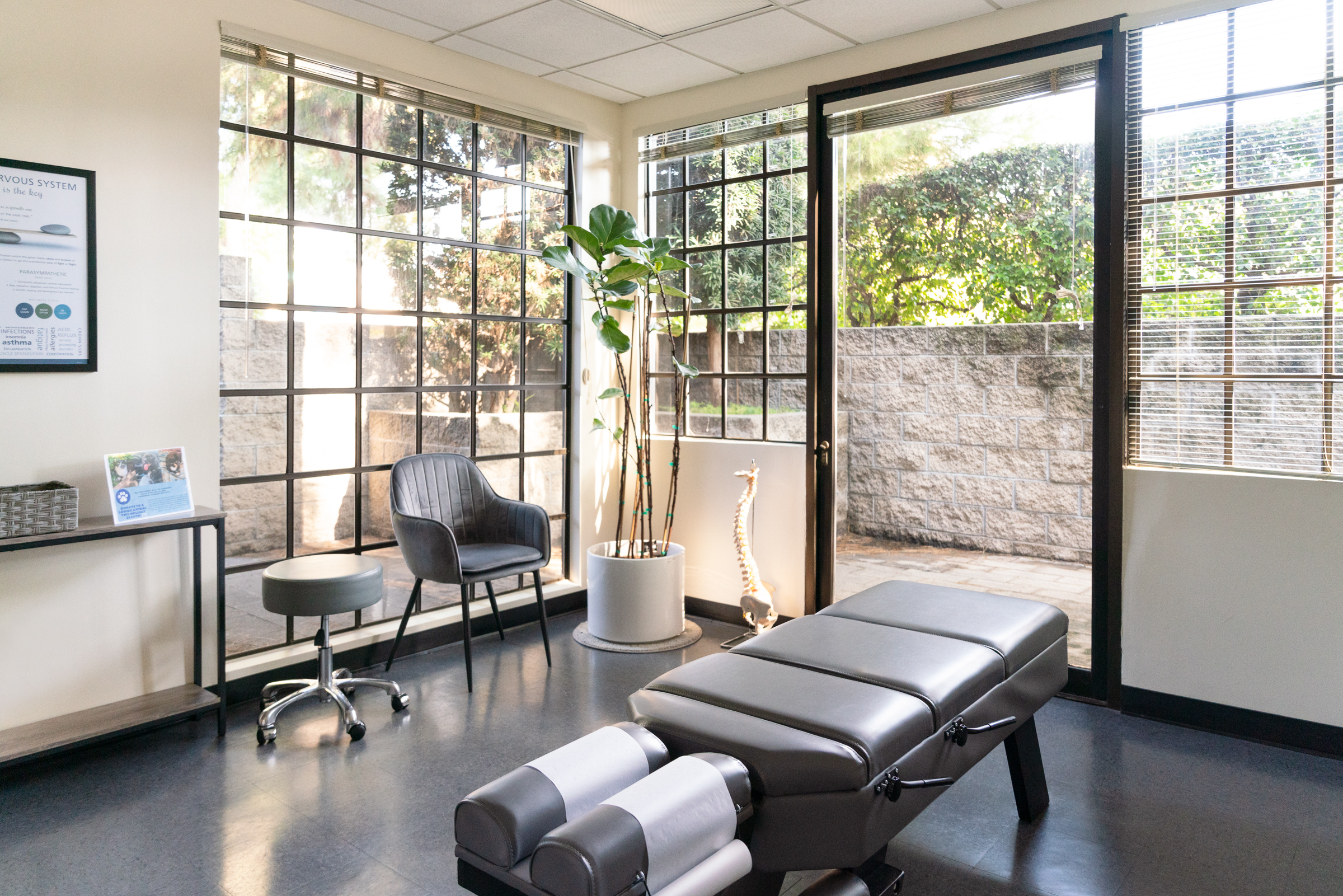
- For an adjustment of the lower back or pelvis, you typically lie on your side on a treatment table with the bottom leg straight and the top knee and hip bent, and we give the stiff joint a quick, controlled thrust.
- Some adjustments are given while you lie face down on a table with sections that lift slightly, or with a drop table or a small handheld instrument.
- We may book your visits for the week before your period and its first day, and we check how things are going over the next few cycles. Pain that persists or changes in pattern is a reason for medical evaluation of other causes.
Risks
When to avoid
- Fever with pelvic pain, or increased or foul-smelling vaginal discharge, which can signal a pelvic infection, until it has been medically evaluated
- Sudden or severe pelvic pain, especially when a period is more than a week late after sexual activity, until it has been medically evaluated
- Symptoms of cauda equina syndrome (pressure on the nerve roots at the base of the spine), such as new loss of bladder or bowel control, numbness in the buttocks, hips, or inner thighs, or new leg weakness, which call for emergency care
Possible risks
- Temporary increase in pain, discomfort, or stiffness in the treated area, most often settling within 24 hours
- Headache or tiredness after treatment
- Herniated disc, sometimes called a slipped disc (rare)
- Cauda equina syndrome, compression of the nerve roots at the base of the spinal canal (rare)
- Other serious spinal or nerve (neurological) problems (very rare)
Who needs extra care
- Pregnancy, when the possible risks and benefits of spinal manipulation are discussed with a health care provider before treatment
- Menstrual pain with signs of secondary dysmenorrhea (period pain caused by another condition), such as pain that worsens over time, lasts after a period ends, or comes with heavy or abnormal bleeding or pain during sex, which calls for a gynecologic evaluation for a cause such as endometriosis, adenomyosis, or fibroids, with any chiropractic care given alongside treatment of that cause
- Menstrual pain that keeps going despite 3 to 6 months of first-line treatment, which calls for medical evaluation for another (secondary) cause
- Underlying health problems that may raise the risk of injury from manipulation, which call for a thorough assessment of health conditions and medicines before treatment
When It's Recommended
- Cramps low in your belly or pelvis that come back before or during every period (primary dysmenorrhea)
- Lower back, hip or inner thigh pain that comes with your period cramps
- A lower back and pelvis that feel stiff or don't move freely when you have period pain
- Period cramps in someone who wants a non-drug approach alongside the usual medical treatment
How It Works
When we adjust you for menstrual cramps, we work especially on your lower back and pelvis, to help those joints move and to reduce physical stress on them. By hand, on a drop table, or with a small handheld instrument, each adjustment is a quick, controlled thrust into a joint of your lower back or a sacroiliac joint, meant to help that joint move and work better.
- Two ideas have been put forward for how adjustments might affect period pain. One is that certain bones of your spine (vertebrae) don't move freely, which affects the nerves that run to the blood vessels of your uterus and the organs near it, and getting those vertebrae moving again may then improve blood flow to your pelvis. The other is that some of the pelvic pain that comes and goes with your cycle is referred pain: you feel it in your pelvis, but it starts in joints and muscles that share the same nerves.
- Lower back pain during a period is a common reason women seek care, especially when symptoms spike monthly. Some patients also report cycle-related headaches or nausea. We look at your posture, tight spots along your spine, stress that can affect the nerves of your lower back, and the joints in your lower back and pelvis that aren't moving freely, which can feed cramping.
- Our goal is a more comfortable pelvis. We work on helping your lower spine line up better, your pelvis sit evenly and the nerves from that area do their job, especially when tension and stiffness in those areas worsen during your cycle. Adjusting the lower spine and pelvis can help those joints move, ease the strain on them, and loosen the tension that often builds during your period. When the pelvis and lower spine move better, many patients notice less “tight, heavy, stuck” discomfort.
Recovery & Aftercare
- Mild soreness, stiffness, tiredness or a brief headache can follow a visit, and these side effects most often settle within 24 hours
- At home between visits, heat on your lower belly or back, light massage of the lower belly, rest and regular exercise can ease cramps
- For many people with primary dysmenorrhea, periods become less painful with age, and period pain may also improve after giving birth
- Contact a health care provider right away if you have fever with pelvic pain, increased or foul-smelling vaginal discharge, or sudden or severe pain, especially if your period is more than a week late and you have been sexually active
- See a health care provider if your cramps haven't eased after 3 months of treatment, or if the pain comes outside your period, starts more than 5 days before it, or keeps going after it ends
- Go to an emergency room right away if you develop new trouble urinating or controlling your bladder or bowels, numbness in the buttocks or upper legs, or new leg weakness, including after treatment
Frequently Asked Questions
What is chiropractic care for menstrual cramps?
Does chiropractic treatment for menstrual cramps hurt?
Is chiropractic care for menstrual cramps safe?
How many sessions are typically needed?
What happens during a chiropractic visit for menstrual cramps?
Who should not have chiropractic care for menstrual cramps?
Can chiropractic care be combined with medicine or birth control for menstrual cramps?
How soon can I expect relief from menstrual cramps?
Is chiropractic care safe during menstruation?
Can chiropractic adjustments reduce severe dysmenorrhea?
Are there natural remedies that complement treatment?
Visit Our Pasadena Office
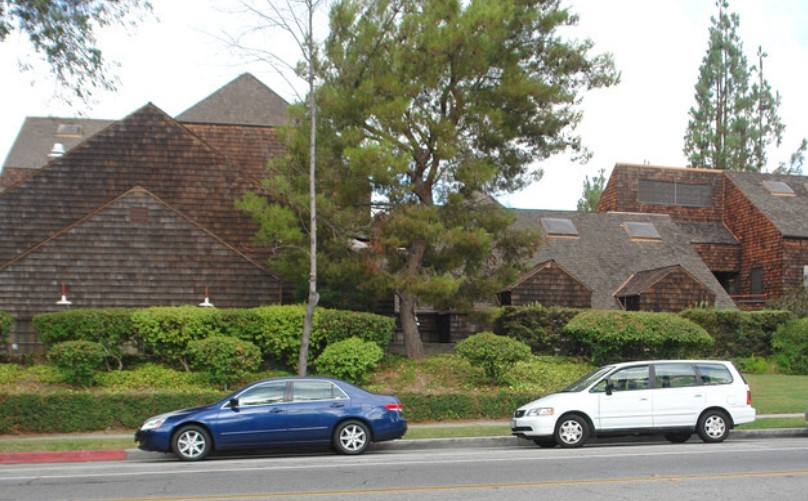
Tao Chiropractic is conveniently located at 200 E Del Mar Blvd, Suite 123, Pasadena, CA 91105.
We serve patients from Pasadena, South Pasadena, San Marino, Altadena, Glendale, Burbank, Arcadia, Alhambra, Eagle Rock, La Cañada Flintridge, Sierra Madre, San Gabriel.