
Table of Contents
Why Does My Sciatica Keep Coming Back?
Mistake 1: Resting in Bed Until the Pain Is Gone
Mistake 2: Stopping Your Exercises the Moment Your Leg Feels Better
Mistake 3: Sitting for Hours and Lifting Without a Plan
Mistake 4: Treating the Pain Without Knowing What’s Causing It
Mistake 5: Overlooking Smoking, Weight, and Stress
How to Lower Your Risk of Another Sciatica Flare-Up
When Recurring Sciatica Needs Professional Attention
Tired of Sciatica That Keeps Coming Back? Book a Spinal Assessment
If your sciatica keeps coming back, the most likely reason is a combination of two things: an underlying problem in the lower back, such as a disc or joint issue that is still vulnerable, and everyday habits that keep irritating the nerve root once the pain fades. Long stretches of bed rest during a flare, dropping your exercises too soon, sitting for hours, and lifestyle factors like smoking and excess weight can all make another episode more likely. Recurrence is common, but much of what drives it is within your control.
This guide covers typical, recurring sciatica from mechanical causes. If your leg pain comes with loss of bladder or bowel control, numbness in the groin or inner thighs, leg weakness that is getting worse, or a fever, those symptoms need prompt medical attention rather than self-care.
Key Takeaways
- Sciatica is a symptom of nerve root irritation, not a diagnosis, so lasting relief depends on identifying what is irritating the nerve.
- Staying gently active during a flare-up is generally a better choice than extended bed rest.
- The protective effect of exercise appears to depend on keeping it up after the pain is gone.
- Long sitting sessions, poor lifting habits, smoking, excess weight, and stress have all been linked to higher sciatica or back pain risk.
- Leg pain with weakness, numbness, fever, or bowel or bladder changes needs prompt evaluation.
Why Does My Sciatica Keep Coming Back?
Sciatica describes pain that travels along the sciatic nerve, usually from the lower back or buttock down the back of one leg. It happens when a nerve root in the lumbar spine gets compressed or inflamed. Think of it as the lower-back version of a pinched nerve in the neck, which sends symptoms down the arm instead of the leg.
The frustrating part is that leg pain can settle long before the problem behind it does. Among people whose disc-related leg pain fully resolved without surgery, roughly one in four had it return within a year, and those who took longer to recover the first time were more likely to relapse. Broader back pain research shows a similar pattern, with about 73% of people with acute low back pain or sciatica experiencing at least one recurrence within 12 months.
So the answer to “why does my sciatica keep coming back?” usually has two parts: a structure that is still sensitive, and daily habits that keep loading it. The five mistakes below are the habits most worth looking at.
Mistake 1: Resting in Bed Until the Pain Is Gone
When a flare hits, lying down feels like the obvious move. A day or two of reduced activity during the worst of it is reasonable, but extended bed rest does not appear to speed recovery. Pooled trials found that people with sciatica who were told to rest in bed did no better on pain or function than those advised to stay active, and because prolonged bed rest carries its own downsides, staying active is considered the more reasonable advice.
Long stretches of inactivity also leave the muscles around your spine and hips weaker and stiffer, which can make the next episode easier to set off.
What tends to help instead:
- Short, frequent walks, even just a few minutes at a time
- Changing positions often rather than holding one for hours
- Finding positions that ease the leg pain instead of lying flat all day
- Gentle movement within a tolerable range, without forcing through sharp pain
Mistake 2: Stopping Your Exercises the Moment Your Leg Feels Better
This is one of the most common patterns behind recurring sciatica. The leg pain settles, the stretches and core work quietly get dropped, and a few months later a minor movement sets things off again.
Feeling better and being fully recovered are not the same thing. Pain often eases before strength, endurance, and movement control return to where they were, which is why it helps to understand how a typical sciatica recovery timeline unfolds over weeks and months.
Prevention research supports sticking with it. A large analysis of randomized trials found that exercise alone was linked to about a 35% lower risk of a new low back pain episode within the first year, but the benefit faded over longer follow-up, suggesting exercise needs to be ongoing to stay protective. Those findings come from back pain in general rather than sciatica specifically, but the principle carries over: the routine that got you out of pain is often the same one that helps keep you out of it.
A sustainable maintenance routine usually includes:
- Deep core and hip strengthening
- Gentle spinal and hamstring mobility work
- Regular low-impact activity such as walking or swimming
A few consistent sessions a week tend to be easier to keep up than an intense program you abandon after a month.
Mistake 3: Sitting for Hours and Lifting Without a Plan
Long, uninterrupted sitting keeps the hips flexed and the lower back loaded, a combination many people with disc-related leg pain find aggravating. In a study that followed people through an episode of acute low back pain, sitting for more than six hours in a day was linked to roughly four times the odds of a flare-up. That research looked at back pain broadly, but it lines up with what many sciatica patients notice after a long day at a desk or behind the wheel.
Lifting habits matter too. Bending and twisting at the same time under load, or lifting with your back rather than your legs, concentrates stress on the lumbar discs. Standard prevention guidance names prolonged sitting as a sciatica risk factor and recommends good sitting posture, core strengthening, and letting your legs do the work when you lift.
Practical fixes:
- Stand up and move for a couple of minutes every 30 to 60 minutes
- Keep your screen at eye level and your feet flat on the floor
- Hinge at the hips and bend your knees to lift, keeping the load close to your body
- Avoid twisting while carrying anything heavy
If you work at a desk, a few sciatica stretches you can do without leaving your chair make movement breaks much easier to stick with.
Mistake 4: Treating the Pain Without Knowing What’s Causing It
Sciatica describes where the pain travels, not why. The actual diagnosis is whatever is compressing the nerve root, such as a herniated disc or spinal stenosis, and the likely cause shifts with age, with disc herniations more typical before 40 and bone spurs and arthritis more common later in life.
That distinction matters for recurrence. A herniated disc, a narrowed spinal canal, a vertebra that has shifted forward, and an irritated muscle deep in the buttock can all produce leg pain that feels similar, yet each responds to different strategies. Even within disc problems, the difference between a herniated and a bulging disc can change which movements are worth emphasizing and which are worth limiting.
Following random stretches from social media, or copying what worked for a friend, can mean repeatedly aggravating the very structure you are trying to protect. If your sciatica has returned more than once, a thorough exam that checks your reflexes, strength, sensation, and how your spine and hips move is a more reliable starting point than another round of trial and error.
Mistake 5: Overlooking Smoking, Weight, and Stress
Sciatica is often framed as a purely mechanical problem, but whole-body factors appear to influence how often it shows up.
Smoking. Pooling 28 studies, researchers found that current smokers had about 35% higher odds of clinically verified sciatica, and quitting appeared to reduce, though not fully erase, that added risk.
Weight and daily activity. Across four long-term population studies, obesity was tied to a 36% higher risk of being hospitalized for sciatica, while walking or cycling to work was linked to a 33% lower risk.
Stress and mood. Depression, poor work mechanics, and difficult socioeconomic circumstances have been associated with a greater chance of chronic, recurrent sciatica. Ongoing stress may also raise muscle tension and pain sensitivity, which can lower the threshold for a flare.
None of these are quick fixes. Small, consistent changes, such as a daily walk, gradual weight management, getting medical support to quit smoking, and protecting your sleep and recovery time during stressful periods, can still add up over months.

How to Lower Your Risk of Another Sciatica Flare-Up
- Stay gently active during flares.
Keep moving within your comfort range. Short walks generally serve you better than long stretches in bed.
- Keep a maintenance routine.
Continue your core, hip, and mobility work two to three times a week after the pain resolves, not just while it hurts.
- Break up long sitting.
Set a reminder on your phone or computer to stand and move regularly through the workday.
- Protect your back when lifting.
Bend your knees, keep the load close, and turn with your feet instead of twisting your spine.
- Address lifestyle risk factors.
Walk most days, work toward a healthy weight, and ask your physician about support if you smoke.
- Track your triggers.
Note the activities, positions, or stressful periods that come before a flare-up. That pattern is useful information if you seek professional care.
When Recurring Sciatica Needs Professional Attention
Most sciatica flare-ups ease with time and sensible self-care, but certain patterns call for an evaluation rather than another round of waiting it out. Contact a healthcare provider if you notice any of these warning signs that warrant prompt medical attention:
- An episode that has lasted longer than four weeks
- A flare that feels different from, or worse than, previous ones
- Weakness or numbness in the buttock, thigh, leg, or pelvis
- Pain that wakes you at night or gets worse when you lie down
- Back pain that started after a fall or other injury
- Unexplained fever or unintentional weight loss
- Loss of bladder or bowel control (seek emergency care)
Sciatica that keeps returning, even without these red flags, is still worth having assessed. Repeated episodes are often a sign that the underlying cause has not been identified.
Frequently Asked Questions
Why does my sciatica keep coming back?
Usually because the underlying cause, often a disc or joint problem in the lower back, has not fully resolved, while habits like long sitting, inactivity, or stopping exercise once the pain fades keep irritating the nerve root.
What causes a sciatica flare-up?
Common triggers include long periods of sitting, heavy or awkward lifting, sudden bending combined with twisting, and stressful stretches of life. Triggers vary from person to person, which is why tracking your own patterns is so useful.
How long does a sciatica flare-up last?
Many flare-ups ease within a few days to a few weeks. A flare that is not improving, keeps getting worse, or comes with new weakness or numbness should be evaluated rather than waited out.
Can stress cause a sciatica flare-up?
Stress does not cause sciatica on its own, but it can increase muscle tension and pain sensitivity, and stress and low mood have been linked to flare-ups in back pain research. Managing stress is a reasonable part of a prevention plan.
Can sciatica go away for good?
Many people go long stretches without symptoms, and some never have another episode. The odds improve when you keep up strength work, stay active, and address whatever caused the nerve irritation in the first place.
Is it safe to exercise when sciatica keeps coming back?
For most people, yes. Gentle, regular movement is encouraged. Avoid movements that sharply increase your leg pain, and get guidance from a qualified provider if you are unsure where to start.
Tired of Sciatica That Keeps Coming Back? Book a Spinal Assessment
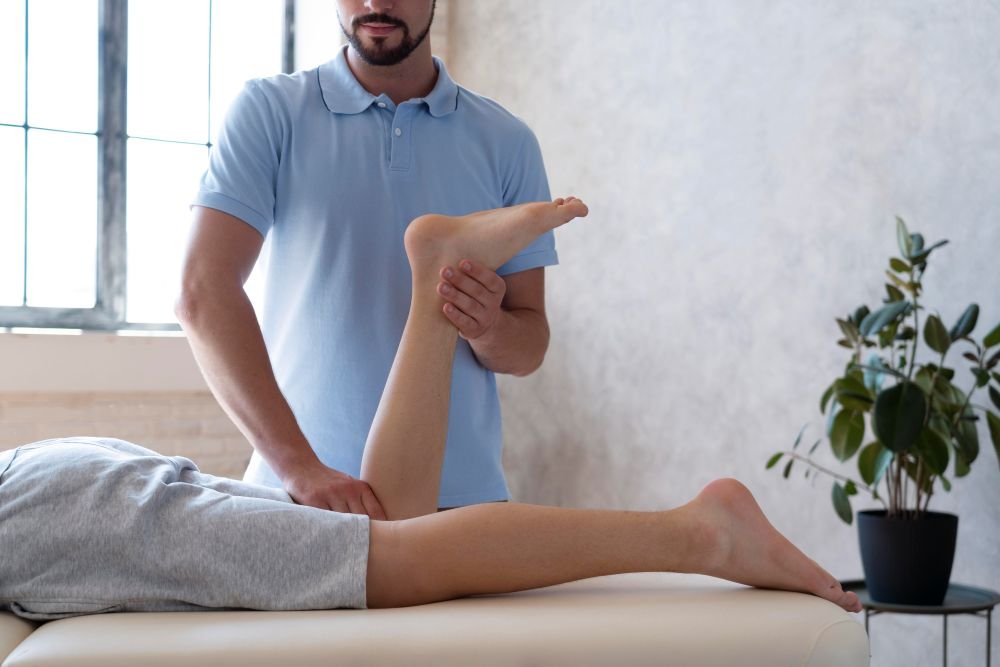
Recurring sciatica is rarely random. It usually means the nerve irritation has a cause that has not been fully addressed, along with daily habits that keep reloading it. Tao Chiropractic in Pasadena starts every new patient with a consultation, a full spinal exam, orthopedic and neurological testing, and digital X-rays when needed, so your plan is built around what is actually irritating the nerve.
Care uses gentle, controlled techniques rather than forceful twisting, paired with the movement and habit changes that help keep leg pain from returning. If you are ready to stop starting over every few months, schedule a new patient visit and get a clear answer.
READ MORE: Sciatica Stretches You Can Do at Your Desk (Chiropractor-Approved)