

Key Takeaways
- Most knee sprains heal in 1 to 8 weeks, depending on severity
- Severe ligament tears can take 3 months or more
- Early treatment plays a major role in recovery speed
- Rehab and strengthening are essential, not optional
- Ignoring symptoms can lead to long-term instability
Table of Contents
How Long Does It Take for a Sprained Knee to Heal Fully?
What Is a Knee Sprain? Understanding the Basics
Knee Sprain Recovery Time: How Long Does It Really Take?
What Affects Sprained Knee Recovery Time?
Knee Sprain Recovery Stages: What to Expect Week by Week
How to Speed Up Knee Sprain Recovery Safely
When Should You See a Professional for a Knee Sprain?
Can Chiropractic Care Help With Knee Sprain Recovery?
How to Prevent Future Knee Sprains
Take the Next Step Toward a Full Knee Recovery
So your knee decided to betray you. One awkward twist, one bad landing, and now you’re Googling timelines like your life depends on it. Fair. Knee sprains are frustrating mostly because they don’t follow a clean schedule.
Let’s get into what actually determines recovery and how long you’re realistically dealing with this.
How Long Does It Take for a Sprained Knee to Heal Fully?
Why Knee Sprain Recovery Isn’t One-Size-Fits-All
A sprained knee isn’t a single, uniform injury. It can range from a mild stretch in the ligament to a full tear that sidelines you for months.
That’s why the question “how long does it take for a sprained knee to heal” doesn’t have one neat answer.
Recovery depends on:
- The severity of the injury
- Which ligament is affected
- How quickly and properly it’s treated
- Your overall health and activity level
Some people are back to normal in a couple of weeks. Others are still dealing with instability months later. The difference usually comes down to how the injury is managed early on.
What Is a Knee Sprain? Understanding the Basics
How Knee Sprains Happen
A knee sprain occurs when one or more ligaments are stretched or torn. This usually happens during:
- Sudden twisting or pivoting movements
- Sports like basketball, football, or skiing
- Falls or awkward landings
- Overextension of the joint
You don’t need to be an athlete, though. Plenty of knee sprains come from everyday missteps.
Types of Knee Sprains (Ligament Injuries Explained)
The knee has four main ligaments, and each plays a role in stability:
- ACL (Anterior Cruciate Ligament): Common in sports injuries, often serious
- MCL (Medial Collateral Ligament): Injured from impact to the outer knee
- PCL (Posterior Cruciate Ligament): Less common, often from direct force
- LCL (Lateral Collateral Ligament): Rare but linked to outer knee instability
The specific ligament involved directly affects your knee sprain recovery time.
Knee Sprain Recovery Time: How Long Does It Really Take?
Here’s the part people actually care about.
Grade 1 (Mild) Sprain
- Recovery time: 1 to 3 weeks
- Ligament is stretched but not torn
- Mild swelling and discomfort
Most people recover fully with rest and basic care.
Grade 2 (Moderate) Sprain
- Recovery time: 4 to 8 weeks
- Partial ligament tear
- Noticeable swelling, bruising, and instability
You’ll likely need structured rehab to regain full function.
Grade 3 (Severe) Sprain
- Recovery time: 8 to 12+ weeks (sometimes longer)
- Complete ligament tear
- Significant instability, often requires medical intervention
In some cases, surgery is recommended, especially for ACL injuries.
What Affects Sprained Knee Recovery Time?
Severity of the Injury
A mild stretch heals faster than a full tear. Severity is the biggest driver of your sprained knee recovery time.
Age and Overall Health
- Younger individuals tend to heal faster
- Chronic conditions or poor circulation can slow recovery
- Nutrition and hydration also matter more than people think
Activity Level and Lifestyle
Returning to activity too early is one of the fastest ways to delay healing. Or worse, injure the knee.
Treatment Approach
Proper treatment shortens recovery. Ignoring it stretches things out.
Basic care includes:
- Rest and protection
- Ice and compression
- Gradual rehab exercises
Structured care, including physiotherapy or chiropractic support, can significantly improve outcomes.
Knee Sprain Recovery Stages: What to Expect Week by Week
Stage 1: Acute Phase (First Few Days)
- Pain, swelling, limited movement
- Focus on reducing inflammation
What helps:
- Rest
- Ice (15–20 minutes at a time)
- Compression and elevation
Stage 2: Early Recovery (Week 1–3)
- Swelling begins to decrease
- Gentle movement returns
Focus:
- Restoring range of motion
- Avoiding stiffness
Stage 3: Strength & Stability (Weeks 3–8+)
- Strengthening exercises begin
- Stability becomes the priority
Muscles around the knee take on more support as the ligament heals.
Stage 4: Return to Activity
- Gradual return to normal movement
- Sports and high-impact activity come last
Skipping steps here is how people end up back at square one.
How to Speed Up Knee Sprain Recovery Safely
Follow a Structured Rehabilitation Plan
Consistency beats intensity. Doing the right exercises regularly matters more than pushing too hard.
Strengthen Supporting Muscles
Focus on:
- Quadriceps
- Hamstrings
- Calves
Stronger muscles reduce stress on the knee joint.
Avoid Common Recovery Mistakes
- Ignoring pain signals
- Skipping rehab
- Returning to activity too early
This is where most people sabotage their own recovery.
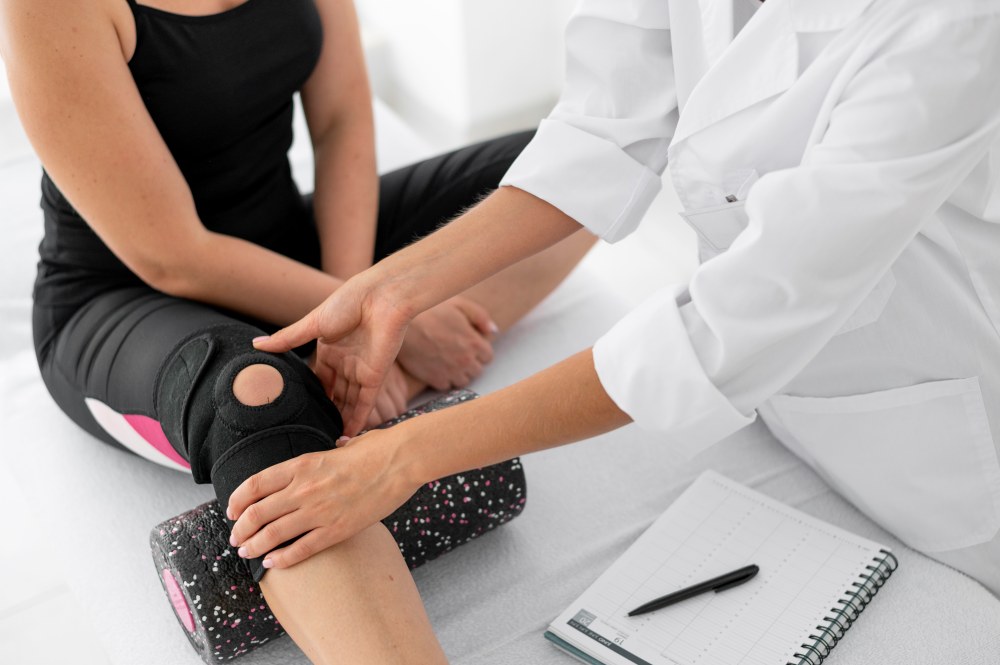
Use Supportive Therapies
- Bracing or taping
- Physiotherapy
- Manual therapy
These can help restore mobility and alignment.
When Should You See a Professional for a Knee Sprain?
Don’t play guessing games if you notice:
- Severe swelling
- Difficulty bearing weight
- A “giving out” sensation
- Persistent pain beyond a few weeks
Untreated ligament injuries can lead to long-term instability and joint damage.
Can Chiropractic Care Help With Knee Sprain Recovery?
How Chiropractors Support Knee Injury Recovery
Chiropractic care focuses on the mechanics of the body as a whole, not just the injured knee.
This may include:
- Improving joint alignment
- Reducing strain on surrounding structures
- Supporting mobility during recovery
Benefits of Working With a Trusted Chiropractor
- Individualized treatment plans
- Focus on functional recovery
- Integration with rehab exercises
Clinics like Tao Chiropractic emphasize whole-body alignment, which can be helpful when compensatory movement patterns start affecting hips or lower back during knee recovery.
Choosing the Best Chiropractor in Pasadena, CA
If you’re searching for the best chiropractor in Pasadena, CA, look for:
- Experience with sports or ligament injuries
- A rehab-focused approach
- Clear treatment planning
A good provider won’t just treat symptoms. They’ll help prevent the problem from coming back.
How to Prevent Future Knee Sprains
Once you’ve been through one, avoiding another becomes a priority.
- Strength training for lower body stability
- Proper warm-ups before activity
- Wearing appropriate footwear
- Listening to early warning signs like stiffness or fatigue
Prevention is less exciting than recovery, but far more effective.
Frequently Asked Questions
How long does a sprained knee take to heal?
A sprained knee can take anywhere from 1 to 12 weeks or more to heal, depending on the severity of the injury. Mild sprains may recover within a few weeks, while more serious ligament damage can take several months and may require structured rehabilitation or medical care.
Can you walk on a sprained knee?
Yes, but it depends on severity. Mild sprains allow limited walking, while moderate to severe injuries may require support or rest.
What helps knee ligaments heal faster?
- Consistent rehab exercises
- Proper rest and recovery
- Professional guidance when needed
There’s no shortcut, but there is a right way.
Do knee sprains heal on their own?
Mild sprains often do. More severe injuries require structured treatment to heal properly and avoid complications.
When should I worry about a knee sprain?
If pain, swelling, or instability lasts more than a few weeks, it’s time to get it checked.
Take the Next Step Toward a Full Knee Recovery
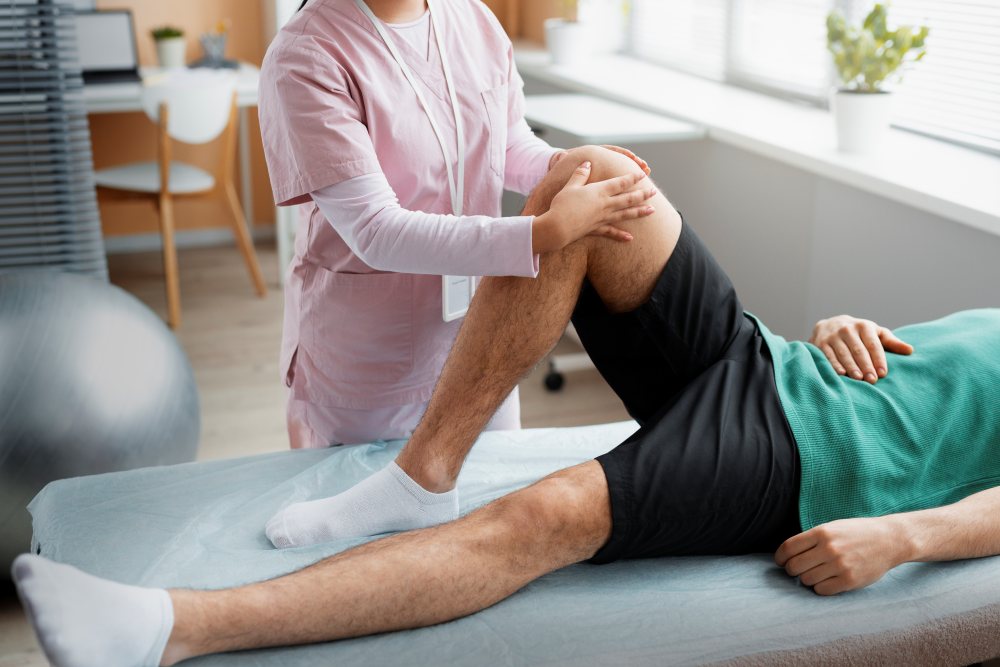
A sprained knee might seem minor at first, but poor recovery can turn it into a long-term problem. The difference between a quick recovery and months of frustration often comes down to getting the right care early.
If your knee isn’t improving or you want to recover properly the first time, working with a qualified provider can make a measurable difference. Tao Chiropractic focuses on restoring movement, improving alignment, and supporting full-body recovery, not just temporary relief.
References
- Mayo Clinic. Knee Ligament Injuries.
- Cleveland Clinic. Knee Sprain: Symptoms, Treatment & Recovery.
- American Academy of Orthopaedic Surgeons (AAOS). Knee Ligament Injuries.
- National Institutes of Health (NIH). Knee Ligament Injuries: Current Concepts.
Disclaimer
This article is intended for informational purposes only and should not be considered medical advice. Knee injuries can vary widely in severity, and proper diagnosis is essential for safe and effective recovery. If you are experiencing persistent pain, instability, or limited mobility, it is important to seek professional care.
For personalized assessment and treatment, working with a qualified provider such as Tao Chiropractic can help ensure your recovery plan is tailored to your specific condition and goals.